.svg&w=384&q=75 "logo")

Women's Asia Cup Final: Will India Accept the Trophy from Naqvi?
The trophy might be the easy part. The handover could be anything but.
All eyes are drifting towards September 13, when the Women's Asia Cup final is set to unfold with India heavily tipped to be there, and heavily tipped to win it. Yet the cricket may not be the only contest on show. According to a Geo Super report, PCB chairman Mohsin Naqvi is expected to attend the final as chief guest for the closing ceremony, placing him right at the centre of a trophy drama that never truly went away.
A familiar face, an unresolved question
If Naqvi does indeed walk out with the silverware, the script writes itself: will Harmanpreet Kaur and her team accept the trophy from him? Or will the women's side follow the path laid down by their male counterparts last year?
The tension has roots. Deep ones.
In the Men's Asia Cup final last year, India beat Pakistan and waited, as did the rest of the world, for the usual post-match ritual. Instead, the ceremony stalled. The stand-off over who would present the trophy dragged on for more than an hour. Cameras panned. Players milled around. The mood shifted from celebratory to awkward.
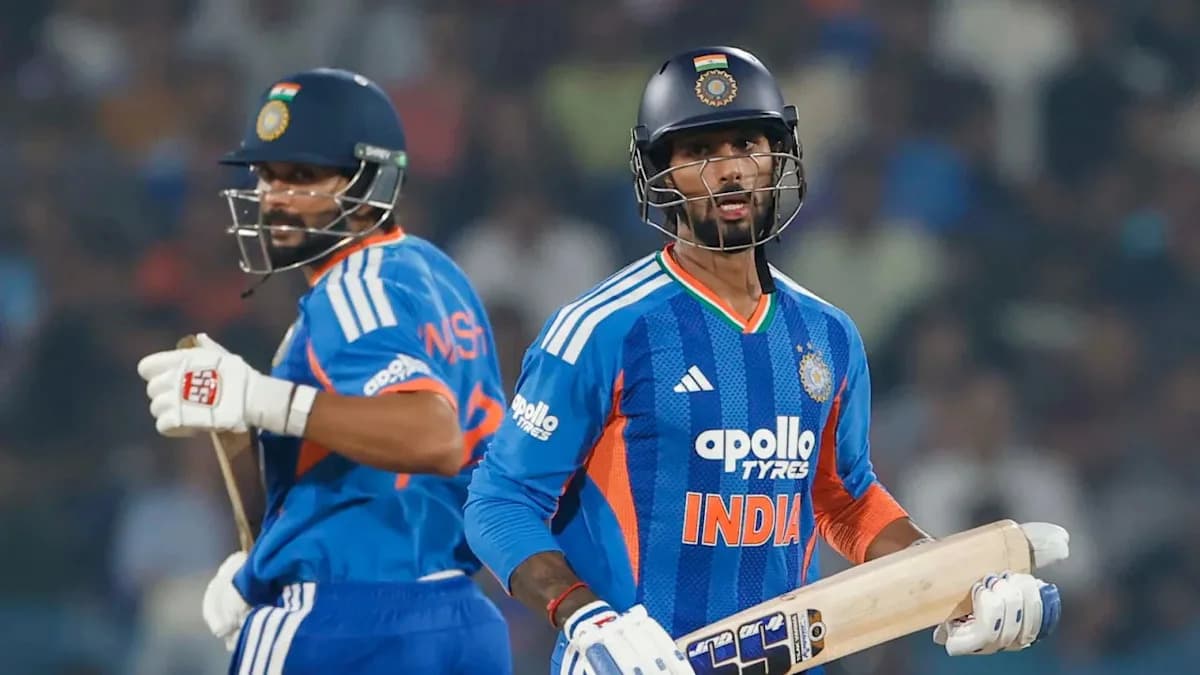
Eventually, India made their call. The Suryakumar Yadav-led side refused to take the trophy from Naqvi. They went ahead with the podium celebrations, but without the actual title in their hands. The image was striking: champions without a cup.
The consequence still lingers. That Men's Asia Cup trophy, which should have been paraded in India, remains in the ACC office in Dubai, never formally received by the team. A win without a symbol. A statement without a speech.
India cruising, noise growing
Now the same question circles back, only this time it surrounds a dominant Indian women's team that has barely put a foot wrong in this tournament.
Harmanpreet Kaur’s side has already sealed a place in the semi-finals without losing a game. They opened their campaign with a professional win over Thailand, then dismantled Hong Kong, and saved their fiercest statement for Pakistan.
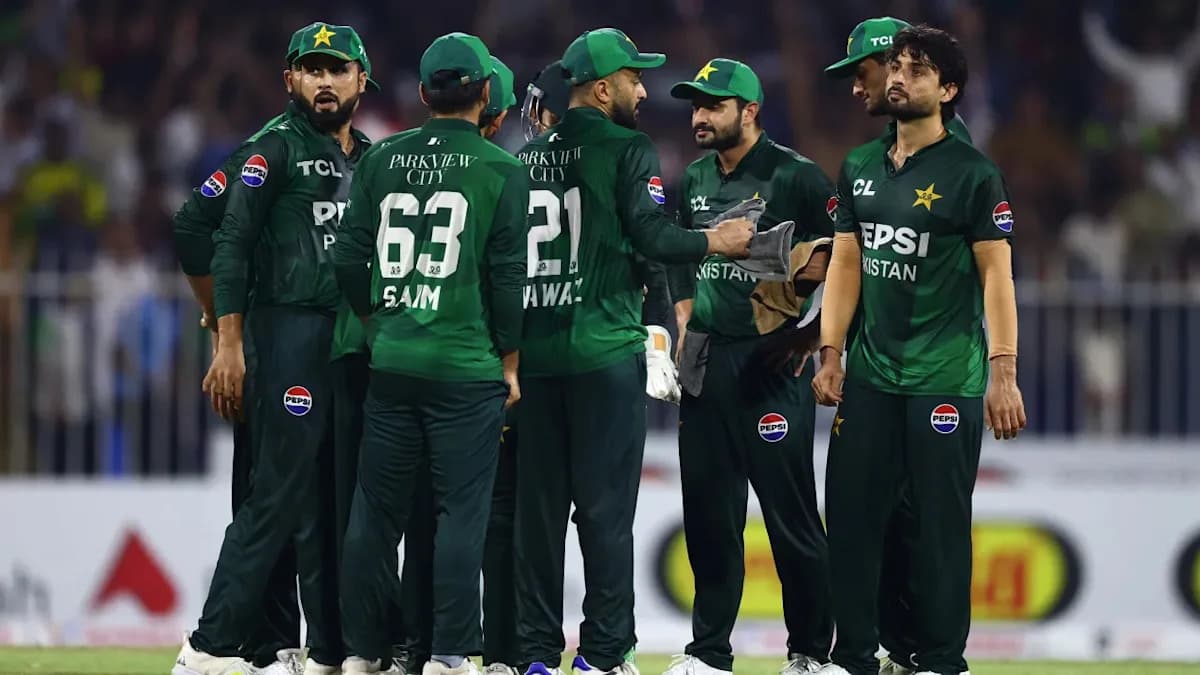
Against the Fatima Sana-led side in Dubai, India were ruthless. Pakistan were bundled out for just 55, their innings crushed under relentless pressure. India needed no second invitation, cantering to a seven-wicket win that underlined the gulf between the teams on the day.
Smriti Mandhana has added her own historic layer to the story. In the middle of this campaign, she surged past Mithali Raj to become the leading run-scorer in women's internationals, an extraordinary passing of the baton achieved in the hum of a regional tournament that suddenly carries global intrigue.
This is not a team scraping through. This is a side imposing itself.
Silence from the boardroom
Yet while India’s cricket has spoken loudly, the BCCI has not. For now, the board has stayed silent on what the women’s team will do if they lift the Asia Cup with Naqvi present at the presentation.
There has been no public directive, no hint of a stance, no indication of whether last year’s decision will be treated as a one-off or a precedent. The players, at least outwardly, have stayed locked on the cricket.
But the subtext is impossible to ignore. Naqvi’s presence at the final as chief guest is not a footnote; it is the hinge on which the post-match spectacle may swing. The match will decide the champions. The ceremony may decide the headlines.
A final with more than one script
On form, India will walk into the final as clear favourites. They have the depth, the momentum, and the aura that comes from dismantling opponents with something to spare. If they play to their level, the cricketing part of this story might feel straightforward.
What follows the last ball will not.
Last year, India’s men lifted nothing, yet sent a message that still reverberates. This year, the women could find themselves at the same crossroads, trophy glinting under the lights, cameras trained on Harmanpreet Kaur, and Mohsin Naqvi standing a few steps away.
Do they reach out and take it? Or leave the cup to gather dust in Dubai once again?
The final may decide more than a champion. It may reveal just how far this quiet standoff is willing to go.