How a Single Rule Shift is Reshaping One-Day International Cricket
In July 2025, a rule change in one-day international (ODI) cricket allowed captains to select which of the two white balls used at either end would be kept for the last part of the innings, from over 34 onward. This adjustment has breathed new life into reverse swing—the movement of an older ball through the air opposite to conventional swing—and is changing how the game is played less than a year before the next World Cup.
The Swing Shift
England’s Sam Curran demonstrated the effect during a match against India at Lord's when he swung the older ball twice as much in his final spell compared to the start. Contrastingly, a year earlier, Saqib Mahmood managed less than half the swing with the old ball late in an ODI against West Indies.
Globally, this trend is visible. Since the rule change, pace bowlers have found increased swing in their deliveries during the final overs. The proportion of balls swinging more than one degree in the last 10 overs rose from 35% to 50%. This has resulted in a drop in economy rates for pace bowlers in the last five overs—from 8.40 runs per over to 7.95—and bowling averages improving from 19.2 to 18.3 runs per wicket. Simply put, scoring in the death overs has become tougher.
England Leading the Way
Reverse swing encourages bowlers to pitch fuller and exploit inswing. Sri Lanka utilized this approach effectively in a recent ODI at Headingley, bowling 69% of their deliveries at or fuller than six meters from the stumps, helping them secure a 16-run win over England.
Statistically, though, England seem to have benefited most since the change. Their bowling average at the death fell sharply from 36.76 to 20.91, and their economy rate dropped from 9.78 to 7.53. Meanwhile, their batting run rate actually improved, climbing from 8.07 to 9.16. After losing to Sri Lanka at Leeds, coach Brendon McCullum urged players to rethink their strategies in light of these shifts. At The Oval just days later, England surged from 104-2 to 214-2 in the 10 overs before Sri Lanka selected the preferred ball.
Global Effects
Other nations like Australia, New Zealand, West Indies, South Africa, Bangladesh, Pakistan, and Afghanistan have all seen slower scoring during death overs since the rule tweak. For instance, West Indies’ death over run rate dropped by 2.39 runs per over.
Individual bowlers have also experienced gains. West Indies’ Alzarri Joseph has seen an 84% increase in late swing, dropping his bowling average from 24.1 to 17.4. South Africa’s Lungi Ngidi lowered his bowling average to 13 and economy to 6 after a 63.3% swing boost. Others like New Zealand’s Nathan Smith, Pakistan’s Naseem Shah, and Bangladesh’s Mustafizur Rahman have also found more movement, though with mixed results.
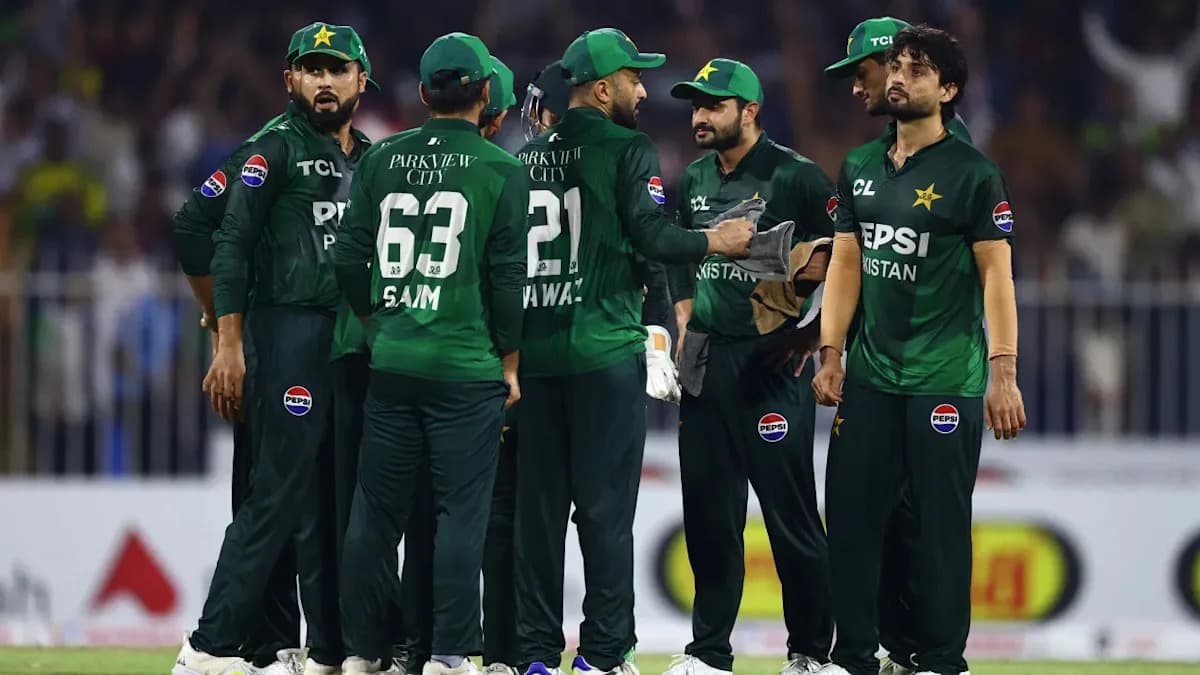
Pakistan’s captain in this tri-series, Shaheen Afridi, remains one of the best at generating swing in death overs, averaging 1.3 degrees post-rule change. England’s Jofra Archer leads his side with a 37% increase in late swing, averaging 0.97 degrees.
What Lies Ahead for the World Cup?
While the change has sparked a surge in reverse swing in England—where the ball swings 63% more late in the innings—its impact varies worldwide. Bangladesh has seen a 33% rise in swing, and matches hosted in Sri Lanka, Bangladesh, and Pakistan feature more late movement. Australia and South Africa show smaller increases; South Africa has only hosted three ODIs since the rule change, making predictions for next year's World Cup there tricky.
If reverse swing gains momentum in these regions, teams might need to score faster earlier in the innings, adjusting tactics accordingly.
Rule Change Reflections
The alteration aims to support bowlers, and evidence suggests it's working. Bowlers now have a weapon late in the innings that was previously limited, bringing a fresh challenge to batsmen. Whether this shift signals a new era for ODI cricket remains to be seen, but the next months will reveal how teams adapt to this evolving landscape.