
Who Is the Father of Cricket? Exploring the Legends Behind the Game
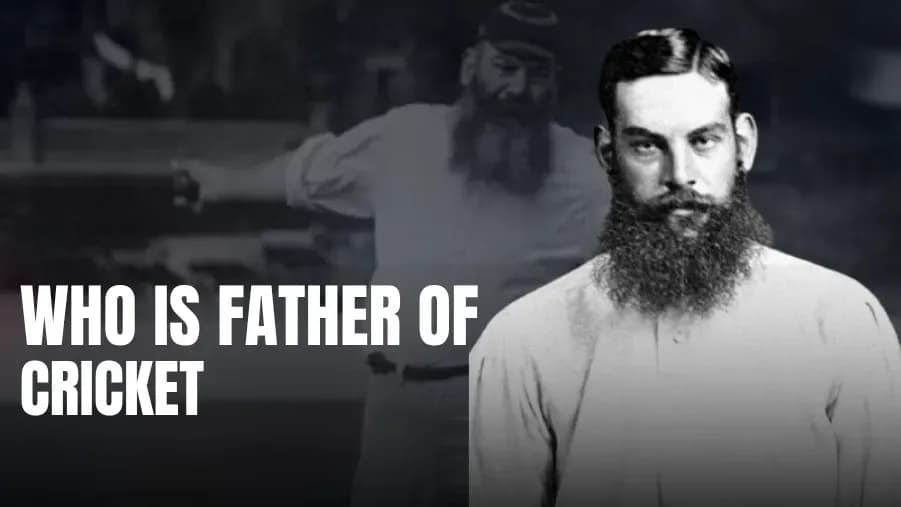
The name that stands out in cricket history is William Gilbert Grace, widely acknowledged as the father of cricket. His innovative batting style and all-around skills changed the sport profoundly. Grace’s career spanned 22 Test matches and an astonishing 870 first-class games, where he amassed over 54,000 runs and claimed nearly 2,800 wickets. Beyond numbers, his personality helped elevate cricket from a casual pastime to an internationally followed sport. He captained England at 50 years old, setting a record unlikely to be surpassed. In India, the legend Sir Ranjitsinhji Vibhaji Jadeja—famous for his perfect leg glance—is honored as the father of Indian cricket, with the Ranji Trophy named after him.
Key Facts About Sir W.G. Grace
- Full Name: William Gilbert Grace
- Born: July 18, 1848, Downend, Gloucestershire, England
- Died: October 23, 1915, Mottingham, Kent, England
- Test Debut: September 6, 1880 vs Australia
- Test Matches Played: 22
- First-Class Matches: 870
- Runs Scored: Test - 1,098; First-Class - 54,211
- Wickets Taken: Test - 9; First-Class - 2,809
- Known For: Revolutionizing cricket with his batting technique and versatile play
- Profession: Cricketer and Physician
Early Days and Rise to Fame
Grace was born into a medical family but quickly made his mark on cricket. By age 15, he was already playing for Gloucestershire and participating in prestigious fixtures like Gentlemen versus Players. His talent shone early, scoring his first century against the Gentlemen of Sussex while still a teenager. He was not only skilled but charismatic, drawing crowds and attention wherever he played.
Transforming Cricket
Grace's approach changed how cricket was played and watched. His exceptional footwork, shot selection, and strategic mind set new standards. Sporting his trademark beard and confident demeanor, he became the game’s first superstar, turning cricket into a major sport globally. His influence extended beyond playing as he pushed boundaries that led to refined cricket laws and more organized competitions.
Impact on Rules and the MCC
During Grace’s era, cricket rules were evolving rapidly. Overarm bowling had just been legalized when he debuted. The Marylebone Cricket Club (MCC), custodian of cricket laws, grew in authority partly due to the changes prompted by Grace’s style and sportsmanship. Protective gear and rule clarifications also came about as the game matured under his watchful eye.
Why He Is Called the True Father of Cricket
Grace earned this title not just through stats but by redefining cricket’s role in society. He played countless matches over decades, inspiring many and drawing huge audiences. His charisma and skill transformed cricket from informal clubs into structured international contests. Grace didn't just play cricket—he embodied it, making him a figure no cricket lover forgets.
Legacy and Influence on Future Players
Though opinions may vary, Grace’s influence is undeniable. His batting style set a template for excellence, and fans flocked to see him perform. After his retirement, his name became synonymous with cricket greatness, motivating generations to come.
The Father of Cricket in India
In India, Sir Ranjitsinhji Vibhaji Jadeja, known as Ranji, holds the fatherly title. Linked to the royal Nawanagar family, he began his cricket journey in England and went on to represent the country internationally. Famous for his exquisite leg glance, he broke records including one set by W.H. Grace. Recognized as a Wisden Cricketer of the Year in 1896, the prestigious Ranji Trophy honors his legacy, establishing him as a central figure in Indian cricket history.
Summary
Many great cricketers have shaped the sport, but few compare to the impact of W.G. Grace. While legends like Sachin Tendulkar, Ricky Ponting, and Jacques Kallis achieved remarkable feats, Grace’s pioneering contributions remain unmatched. He played when cricket was less popular and left a lasting imprint on how the game is played and appreciated today. His story is a cornerstone for all current and future cricketers.
Frequently Asked Questions
- Who is the father of cricket? W.G. Grace is recognized as the father of cricket for his outstanding contributions.
- Who is called the king of cricket? Virat Kohli holds the title of king of cricket.
- Who is known as the king of God in cricket? Sachin Tendulkar is often called the king of God in cricket.
- Who is the prince of cricket? Shubman Gill is known as the prince of cricket.
- Who is the father of cricket in India? Sir Ranjitsinhji Vibhaji Jadeja is recognized as the father of cricket in India.
- Who is Mr. 360? AB de Villiers earned the nickname Mr. 360 for his versatile batting.





