Wasim Akram's Call for Reform in Pakistan Cricket
Wasim Akram’s patience has snapped.
Pakistan’s greatest fast bowler cut a blunt, frustrated figure in Lahore as he laid bare what he sees as the rot in the country’s Test cricket – a system that, in his eyes, has stopped producing batters of international calibre and ignored clear warning signs.
“Ten years of PSL – where are the batters?”
Akram did not bother dressing it up. Pakistan’s twin home-and-away Test series defeats to Bangladesh, he said, should have triggered urgent reforms. Instead, the moment drifted by.
“That should have been a warning sign,” he argued, pointing to the lack of meaningful change since those losses. For him, the problem sits at the heart of Pakistan’s cricket structure: the conveyor belt is broken at the top of the order.
The Pakistan Super League, now a decade old and widely praised for unearthing fast bowlers, came in for a direct hit.
“It has been 10 years since the PSL started, but has a single batter been produced by the PSL?” Akram asked. “Yes we have produced a few bowlers but tell me have we produced any noteworthy batting talent.”
The question hung in the air. No one in Lahore had a convincing answer.
India’s teenage prodigy as a mirror
To ram home his point, Akram looked across the border.
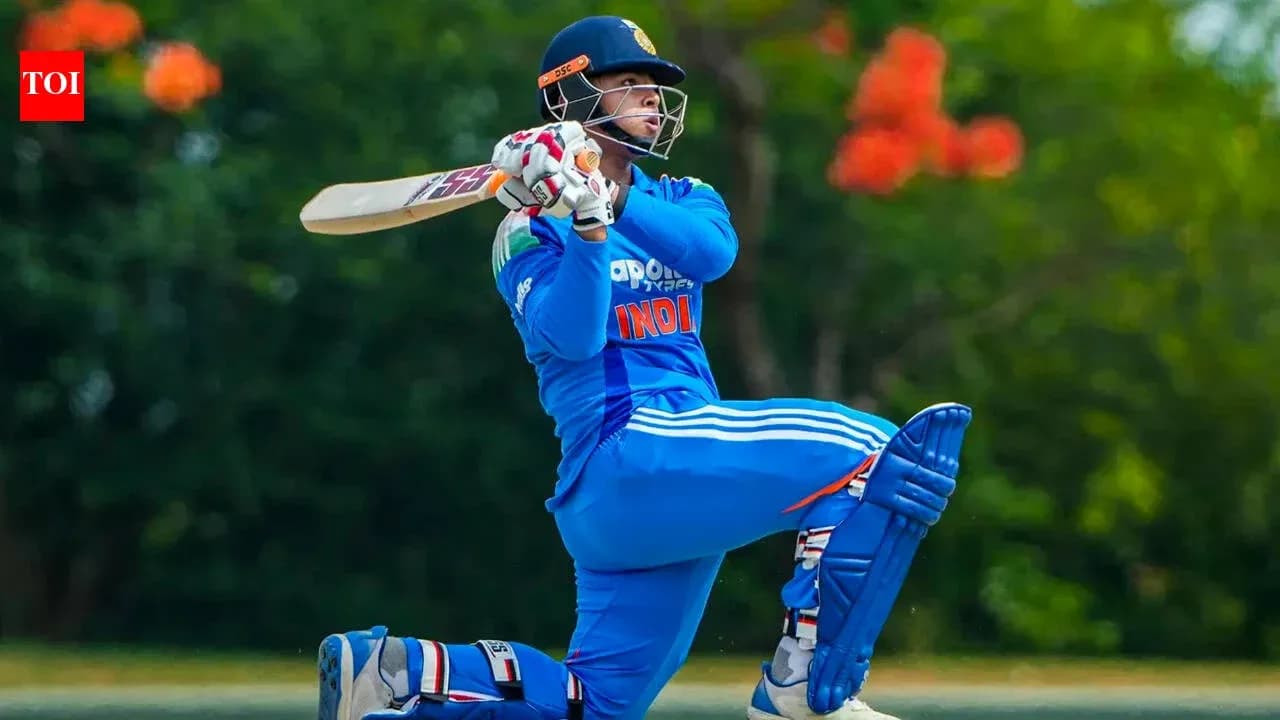
He highlighted the rise of a 15-year-old batting sensation in India, an apparent nod to Vaibhav Sooryavanshi, as the sort of precocious talent Pakistan simply has not managed to nurture.
“I think when we produce a batting talent like the 14-year old then we will see improvement coming through,” he said, using the example as a benchmark rather than a compliment to a rival.
The contrast stings. Pakistan, he insisted, can still hold their own in white-ball cricket. In Tests, though, his assessment was stark: the state of their red-ball game is “bad”.
Coaches are not the cure
Names swirl around every time Pakistan struggle: new coach, new backroom staff, new direction. Akram is unimpressed by the merry-go-round.
Whether the Pakistan Cricket Board turns to him, to Gary Kirsten, or to anyone else, he believes the central issue remains the same – the coach will be working with a limited, underprepared pool of players.
Change the face in the dressing room, he argued, and you still have the same problems if the system beneath remains flawed.
Instead, Akram wants the PCB to show something Pakistan cricket rarely musters: patience. He called for the domestic structure to be given three to four years to breathe and produce results, rather than being ripped up at the first sign of trouble.
Without that long-term vision, he warned, the team will continue to lurch from one crisis to the next.
“Revive club cricket – that’s where the talent is”
For all his criticism, Akram’s anger comes from the same place as every disillusioned fan.
He admitted he is as disappointed as any Pakistani by recent performances. His remedy starts at the grassroots.
“Club cricket needs to be revived if we want improvement in red ball cricket,” he said, urging the PCB to invest heavily at the base of the pyramid. He even put a figure on it: 100 million rupees each in Karachi and Lahore, the two biggest nurseries of talent.
“Talent comes from club cricket,” he reminded his audience, not from short-term fixes or constant chopping and changing at the top.
Which led him to another sore point: selection.
He criticised the constant rotation of players, a churn that, in his view, masks deeper issues rather than solving them. The faces change, the problems do not.
There should be consistency in the team, he argued, but instead players “just keep coming and going” while the underlying faults remain untouched.
England tour under the microscope
Pakistan’s ongoing Test series in England has only sharpened Akram’s concerns.
He homed in on technique and intent. Against bowlers like Ollie Robinson, he said, Pakistan’s batters have been rooted to the crease, failing to move their front foot and meet the ball with conviction.
“In England in the ongoing series they didn’t move their front foot forward, playing bowlers like Ollie Robinson while standing rooted in the crease,” he said. “You need to play with courage, but for that, talent is essential.”
The criticism cut to the core of Pakistan’s traditional batting identity. Courage, skill, adaptability – the traits that once defined their best – are, in Akram’s view, no longer guaranteed.
Fast bowlers under the spotlight
If Pakistan still prides itself on anything, it is fast bowling. Even there, Akram urged restraint.
He dismissed the obsession with headline-grabbing speed-gun readings. Bowling one ball at 150 km/h, he said, “was no big deal.” The real examination of a quick is whether he can hold 140 km/h across a full day, spell after spell.
He warned against premature hype around emerging pacers. Let them play, he insisted. Let them learn. Then judge.
Shaheen Afridi inevitably entered the conversation. Akram described the left-armer as an experienced bowler and questioned why someone of his stature had not travelled to England. He admitted he did not know why Shaheen’s pace had dipped, but felt his presence on the tour should have been non-negotiable.
Akram also named Akif Javed as a seamer he would have liked to see in the squad.
“If it were up to me, I would have asked for Akif Javed, as he bowled well recently in England,” he said, pointing to form in local conditions as a clear selection marker.
A warning from within
Akram’s words arrive at a tense moment for Pakistan cricket. Test defeats to Bangladesh, struggles in England, and a domestic system under suspicion have combined to create a sense of drift.
He is not calling for another quick fix. He is asking for the opposite – a pause, a plan, and a willingness to absorb short-term pain for long-term gain.
The message from one of Pakistan’s greatest cricketers is clear: stop tinkering at the edges, rebuild from the roots, and start producing batters and bowlers tough enough for the long game.
If that does not happen, the question will not be who coaches Pakistan next, but what kind of Test team will be left to coach at all.