UFC 331: The Contrast Between Michael Page and Tai Tuivasa
The UFC has never pretended to be fair. UFC 331 just makes the imbalance impossible to ignore.
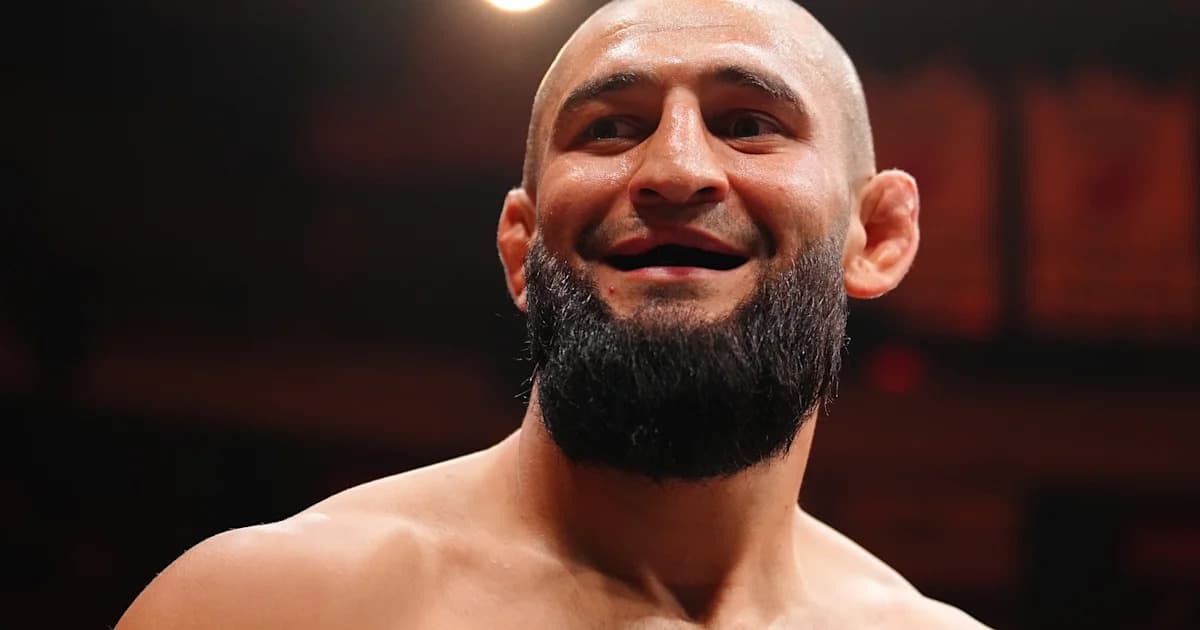
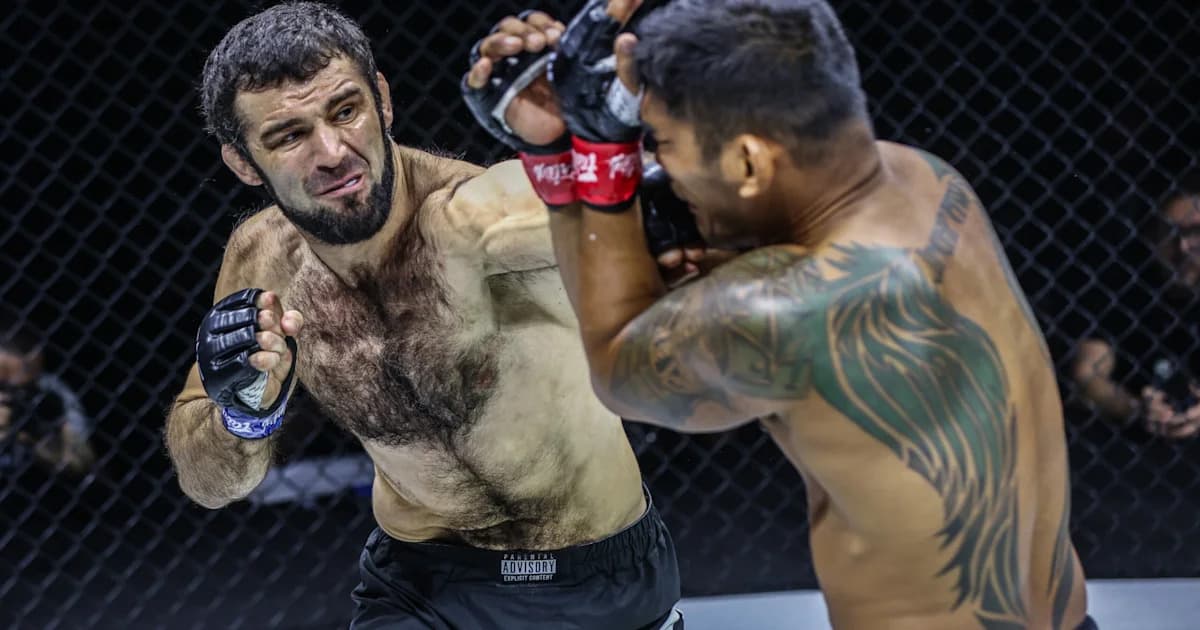
Two weeks ago in Paris, Michael “Venom” Page slipped out the side door of the promotion. No fanfare, no real negotiation, no drama. He left with a 5-1 UFC record and a final win that barely registered with anyone who watched it. He did his job, he won, he bored people. That was that.
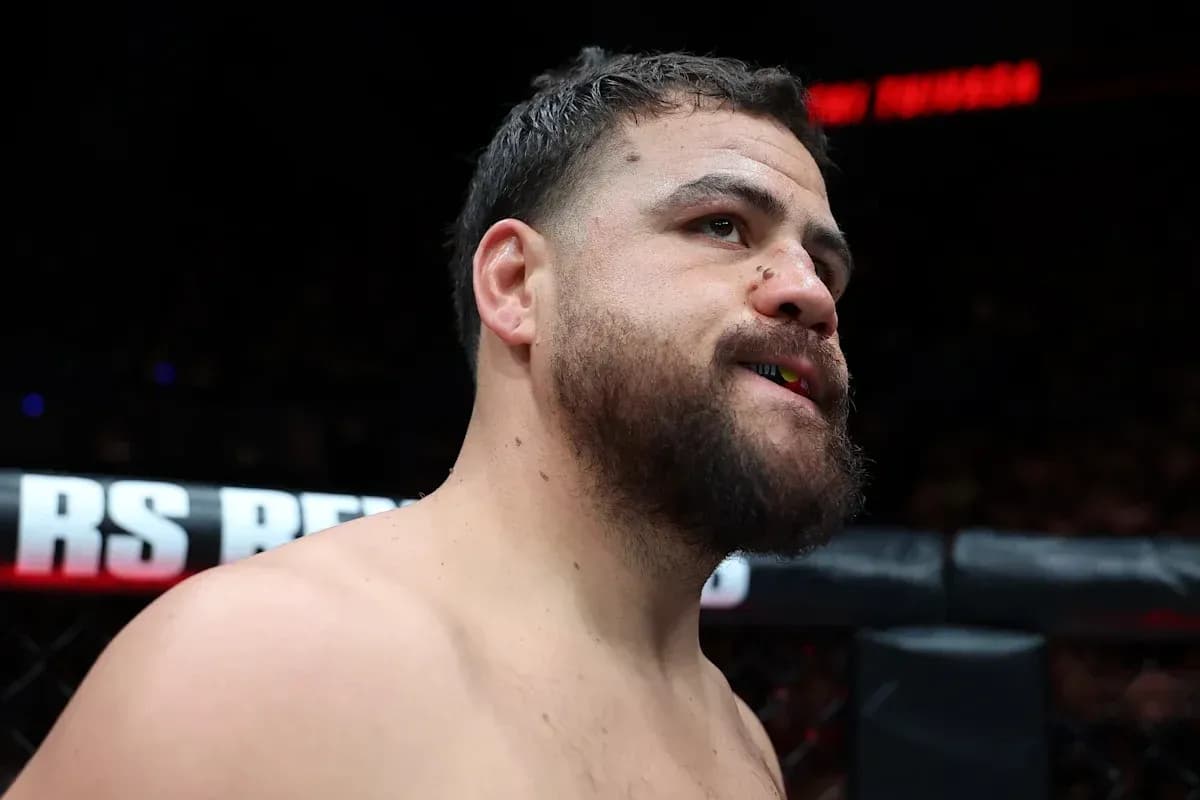
On Saturday in Miami, Tai Tuivasa will walk into the cage at UFC 331 trying to halt a seven-fight losing streak that stretches back to 2022. He’s staring down Robelis Despaigne and the very real threat of tying Tony Ferguson’s infamous eight-fight skid. The odds are cold on him. The sport is colder.
And yet, Tuivasa still has a job. Page does not.
That contrast says plenty about what the UFC really values. Page never even got the insult of a lowball offer. Tuivasa keeps getting booked.
This is the part where the company’s dual identity snaps into focus. Yes, it’s a sport. Titles, rankings, records. All of that matters. But the engine that keeps it running is entertainment. The matchmakers don’t just want winners. They want a certain kind of chaos.
The unforgivable sin is not losing. It’s winning in a way that makes people change the channel.
Page committed that sin. He fought cautiously, managed risk, shut down exchanges. He didn’t brawl and he didn’t allow others to brawl. He neutralized fights. In a pure sporting sense, that’s smart. In the UFC’s economy, that’s deadly.
Tuivasa lives on the opposite end of that spectrum. He is the blueprint for why losing doesn’t always mean unemployment.
He has fans. Real ones. The kind who see him not just as a fighter, but as someone they’d happily drink with — even if that drink comes out of a shoe. The “shoey” has become his calling card, a crude, beer-soaked ritual that somehow captures his whole appeal: unpolished, reckless, fun.
There was a night in Melbourne when he got dominated and submitted. No drama, no controversy, just a clear loss. He climbed out of the cage, and still there was a man waiting, one hand holding a beer, the other holding a shoe, ready for the celebration that never came. Tuivasa turned him down with a glance. The moment said everything. Even in defeat, fans wanted to be part of his act.
For the UFC, that act has value. So does his style.
Tuivasa is predictable in the way promoters love. You know what you’re getting now. He’ll plant his feet. He’ll swing with bad intentions. He won’t stuff many takedowns. If the fight spills past the first round, his gas tank will sag, but he’ll still stand there and take punishment out of stubborn pride.
That makes him matchmaker-friendly. You can look at the heavyweight roster and sketch out which fights he probably wins and which ones he almost certainly doesn’t. The problems only really started when he began losing the fights he was supposed to win. In May, he went into a bout with Louie Southerland in Australia as a -225 favorite and left with a unanimous-decision loss and a seven-fight skid.
Now he’s the welcome-back party for Despaigne. That tells its own story.
Despaigne flattened Junior dos Santos at the MVP Netflix event in May, and the tape from that night might as well have been a pitch deck. A towering heavyweight with fight-ending power, walking back into the UFC. What do you give him? You don’t hand him a wrestler who’s going to shoot on his hips and smother the spectacle. You find someone who will stand in the pocket, agree to trade, and refuse to take the easy way out.
You find Tai Tuivasa.
A heavyweight with Tuivasa’s power is never completely out of a fight. One clean shot can flip the script in a heartbeat. But this matchup doesn’t look like a favor. It looks like a calculated test: a proven action fighter with a famous chin and a fragile streak, set across from a knockout artist the promotion clearly wants to showcase.
That’s how job security works in this world. Not through clean records or safe tactics, but through the promise of violence.
The fighters see it. They hear it in the way their bouts are promoted, feel it in the way their contracts are handled. They don’t need a memo from the office to understand the assignment.
Former UFC champion Tyron Woodley spelled it out this week on “The Ariel Helwani Show.”
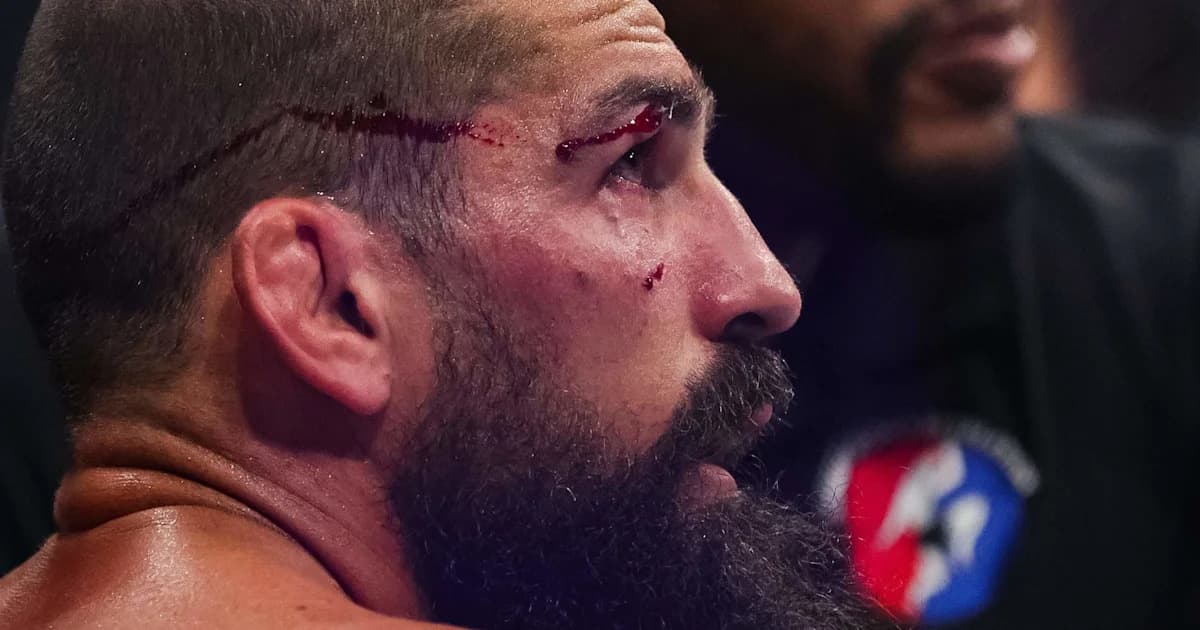
“You hit me, I hit you,” Woodley said. “Rock ’em, sock ’em. I’m bleeding, you’re bleeding. I almost die, you almost die. We hug at the end, raise each other’s hand. That’s the ‘best’ fight.”
That’s the product. That’s what sells.
But there’s a cost. Woodley has lived it. The fighters who lean into that chaos, who agree to be the storm every time they walk into the cage, pay with years off their careers and pieces of themselves they don’t get back. The brawler’s role is exhilarating, but it burns hot and fast.
“As soon as they become a bag of bones and they become a little older, and there’s a younger fighter that’s willing to do it with less backtalk, willing to do it for less money, they’re going to be matched up with that person,” Woodley said. “That’s really how the cycle of the sport goes.”
That’s the brutal loop. The UFC rewards the ones who say yes to chaos — until it finds someone younger, cheaper, and just as willing to bleed for a bonus.
Nobody promised justice. Other sports at least pretend the equation is simple: win and you stay, lose and you go. Here, the math is messier. The job is part warrior, part entertainer, and every fighter has to find their own balance between survival and spectacle.
Page chose control and caution and walked away with his record intact and his UFC career cut short. Tuivasa chose mayhem and walks into UFC 331 battered, beloved, and still on the payroll, one loss away from the wrong kind of history.
Somewhere between those two paths lies the sweet spot every fighter is chasing — the place where you can keep your job, keep your fans, and still keep your senses. The question is how long anyone can stay there before the sport, and the system that drives it, drags them to one extreme or the other.