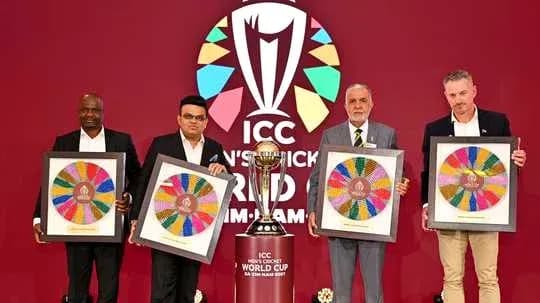
Tavengwa Mukuhlani Elected ICC Deputy Chair: A Milestone for Zimbabwe
Tavengwa Mukuhlani has been elected ICC Deputy Chair, stepping into one of world cricket’s most influential roles at a moment loaded with significance for both Zimbabwe and the global game.
He replaces veteran administrator Imran Khwaja, whose near 20-year stint as an Associate director on the ICC Board ended in July after he lost a Board election. Khwaja then relinquished the deputy chair later that same week, closing a long chapter of continuity in the post and opening the door for fresh leadership.
For Mukuhlani, this is the culmination of a steady rise through cricket’s corridors of power. The Zimbabwe Cricket chief already sits on the ICC Finance and Commercial Affairs Committee and the Nominations Committee, and he chairs the HR and Remuneration Committee – roles that have given him a close view of the game’s financial and governance machinery.
Now he steps into a position that carries both symbolism and hard responsibility.
The ICC underlined the timing. With Zimbabwe set to co-host the 2027 Men’s ODI World Cup, Mukuhlani’s elevation arrives just as the tournament prepares to return to African soil for the first time in 24 years. The governing body framed his appointment as a strategic asset, noting that his leadership at Zimbabwe Cricket and his regional understanding will be central as the ICC and its Members aim to deliver a “landmark World Cup” and drive deeper growth across the continent.
Mukuhlani knows exactly what that expectation means.
“I am deeply honoured by the confidence placed in me by my fellow ICC Board Directors and grateful for the opportunity to serve as Deputy Chair of the ICC,” he said, acknowledging both the trust and the scale of the task.
He spoke of working closely with ICC Chairman Jay Shah, praising Shah’s “leadership, energy and ambition” and the renewed sense of purpose at the top of the organisation, with a sharp emphasis on growing the sport, creating opportunities for Members and pushing into new markets.
That agenda stretches far beyond one World Cup.
“Cricket is entering an exciting period, particularly with its return to the Olympic Games and continued global expansion,” Mukuhlani added, casting his eye towards a future in which the sport fights for space on a crowded global stage. His message was clear: he intends to support Shah and the Board in advancing shared priorities and “serving the best interests of cricket globally.”
From the chairman’s seat, Shah returned the compliment and underlined why this appointment matters.
He hailed Mukuhlani’s “experience in cricket administration, understanding of the global game and commitment to its development,” calling those qualities “invaluable” to the ICC Board. Shah stressed that Mukuhlani has “earned the confidence of his fellow Directors” and spoke of working closely with him to strengthen cricket across all Members and carve out greater opportunities for the game to grow worldwide.
Then came the line that will resonate far beyond the boardroom.
Shah described the election as a “significant milestone for Zimbabwe,” noting that Mukuhlani becomes the first Zimbabwean to serve as ICC Deputy Chair. For a cricket nation that has endured financial crises, political interference and on-field turbulence, seeing one of its own at the very top table is more than a ceremonial breakthrough.
The question now is whether this new power base can help turn that symbolic moment into lasting change for Zimbabwean cricket and, more broadly, for the sport’s future in Africa.