Steve Ballmer Accepts NBA Sanctions Amid Clippers Scandal
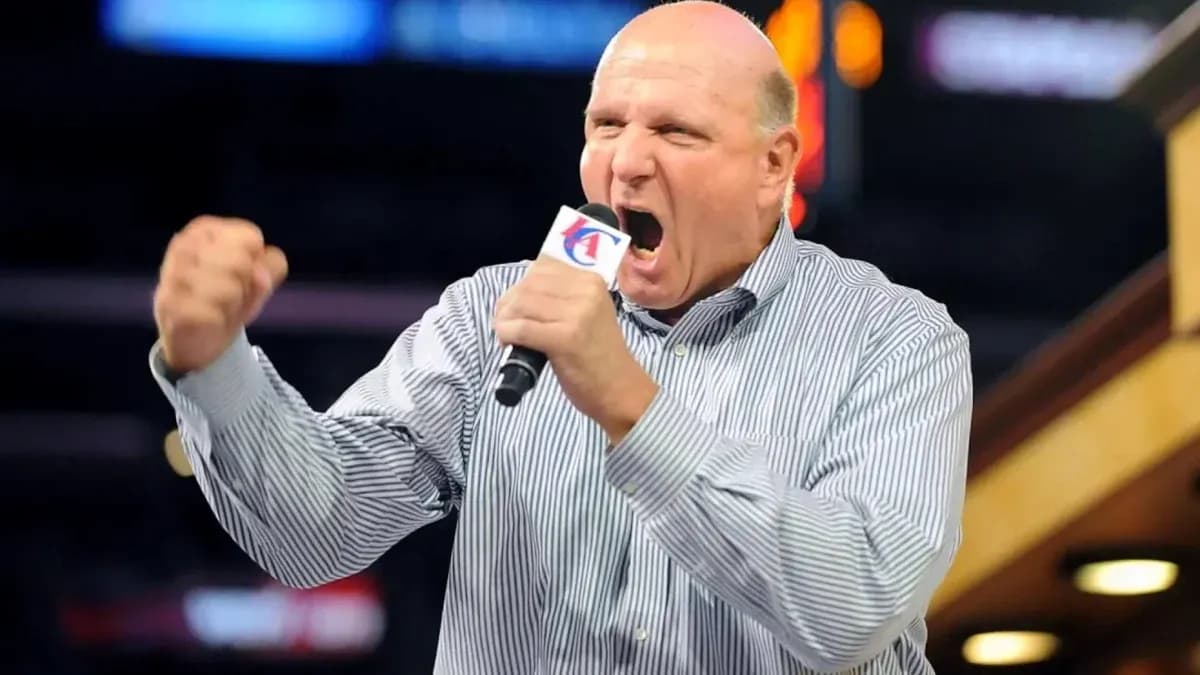
Steve Ballmer has stopped fighting.
After months of defiance, legal threats, and accusations of a “witch hunt,” the Los Angeles Clippers owner has publicly accepted the sweeping sanctions the NBA handed down for what the league described as a deliberate scheme to evade the salary cap in a case tied to Kawhi Leonard.
“It has been a very difficult time for everyone associated with the Clippers, and I deeply regret the situation,” Ballmer said in a statement. “I want to apologize to our fans, employees, and the other NBA team owners for the distraction and distress this matter has caused, and I take responsibility for it in my capacity as principal owner.”
No legalese. No caveats in that line. Just a billionaire owner, sanctioned and sidelined, saying he’ll wear it.
A Heavy Punishment for a Repeat Offender
The NBA’s verdict landed earlier this month and it was brutal.
- Five future first-round Draft picks stripped away.
- A $30 million fine.
- A one-year suspension for Ballmer himself.
All of it tied to violations of the rules prohibiting circumvention of the salary cap, in a case linked to Leonard and the way the organization structured its dealings around the star forward.
The league’s investigation, which ran close to a year, did not paint this as a technical slip-up or a one-off misinterpretation. It “revealed a pattern of misconduct and multiple serious violations of the rules by the Clippers organization, which had previously already violated the salary cap rules.”
That phrase — “pattern of misconduct” — is the kind of language the league rarely uses unless it wants to send a message. The sanctions did exactly that.
And now, the scandal has escalated beyond league offices and arbitration rooms: the Clippers’ cap-circumvention scheme involving Leonard has become a criminal case, dragging the franchise into an even harsher spotlight.
From Open War to Reluctant Acceptance
The Clippers did not go quietly when the findings first dropped.
Initially, Ballmer and the franchise rejected the investigation’s conclusions outright. The team vowed to challenge the decision “through every avenue available to us,” signaling a prolonged, bitter fight with the league office.
Behind the scenes, the tone was even sharper. In a letter to NBA commissioner Adam Silver, Ballmer’s lawyer labeled the probe a “witch hunt” and blasted the sanctions as a “serious injustice.” The organization held its line for months, insisting it had done nothing wrong and fully expected to be cleared.
That defiance has now given way to something else.
In his Sunday statement, Ballmer confirmed that the Clippers have stopped resisting and started complying.
“We are determined to leave this chapter behind,” he said. “We have informed the NBA that we are complying with the sanctions imposed by the league, we have paid the fine, and we are moving forward.”
The words are careful, but the pivot is unmistakable. The fight is over.
Still Disagreeing, But Done With the Battle
Ballmer did not completely abandon his earlier stance. He made a point of noting that “disagreements over the report’s conclusions persist,” a reminder that, in his view, the Clippers’ version of events hasn’t changed.
What has changed is his calculation of the cost.
The owner who once looked ready to drag the league into a prolonged legal war now says he does not want the case to remain a “distraction.” The fine is paid. The sanctions stand. The suspension looms.
The Clippers, stripped of draft capital, hit with a massive financial penalty, and led by an owner barred for a year, must now live with the consequences of a cap scandal that has spilled beyond basketball and into the criminal arena.
Whether they can truly “move forward” under that cloud is no longer a legal question. It’s a competitive one.