Sophie Cunningham Addresses Sydney Sweeney's Gambling Ad Controversy
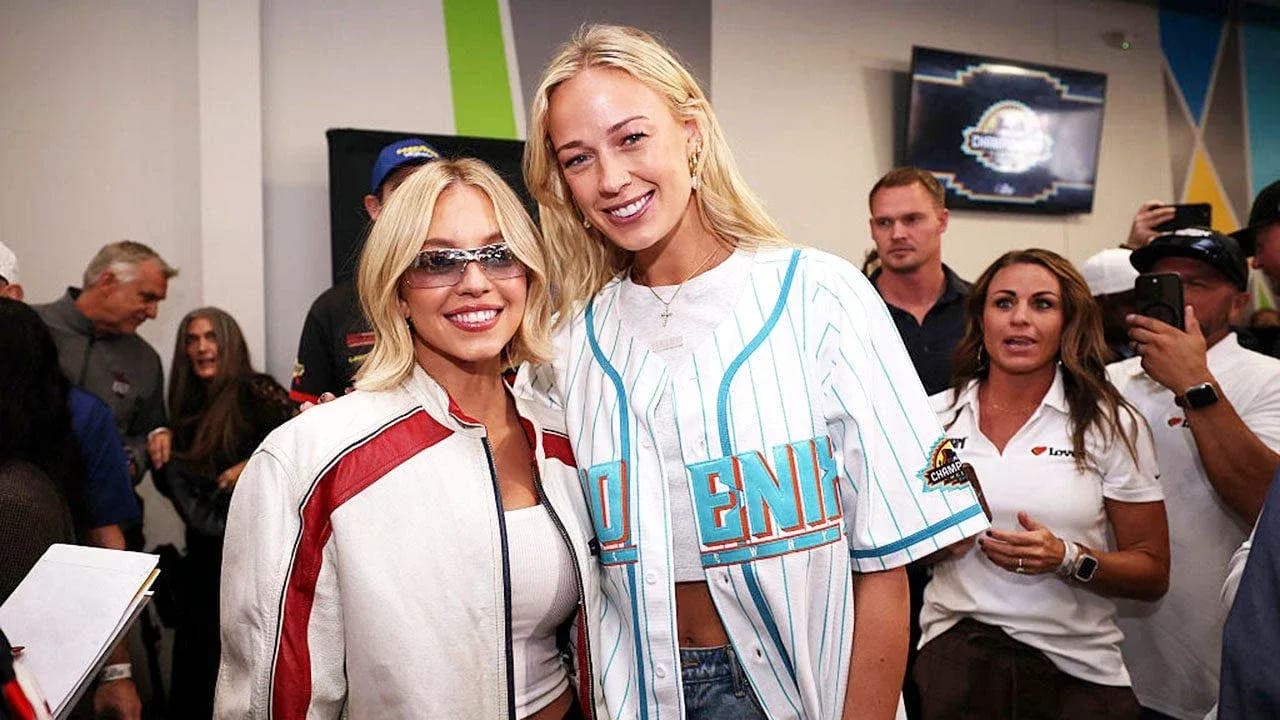
Sophie Cunningham has never been shy about contact. On the court or off it. So when a week of outrage swirled around Sydney Sweeney’s provocative gambling commercial, the Phoenix Mercury guard stepped in and did what she usually does: went straight at it.
On her revamped podcast, No Hesitation, Cunningham cut through the noise with a blunt question that underlined her whole stance.
“Why are girls mad?” she asked. “That is literally what she does. Why is anyone mad? It is a gambling ad: men, sports, naked women. Of course, that’s going to draw attention.”
No filters. No long preamble. Just a WNBA player looking at a Hollywood star doing exactly what has built her brand and wondering why anyone is surprised.
Cunningham didn’t pretend the ad sat perfectly with her.
“Do I agree with it? Morally, I think it’s kind of weird, but each to their own. Go do your thing, sis.”
That balance defined her take: she acknowledged the discomfort some women in sports felt, but refused to turn Sweeney into a symbol of everything wrong with the industry. To Cunningham, it’s a commercial, not a referendum on women’s progress.
The context backs her up. Novig CEO Jacob Fortinsky made it clear during a panel this week that Sweeney wasn’t just a face for hire. She helped shape the entire campaign.
“It really was Sydney who was driving a lot of the visuals and the messaging,” Fortinsky said, adding that the company views women’s sports as “a huge component” of its platform and insisting, “We never intended to portray female sports.”
In other words, this wasn’t marketed as a women’s sports ad gone wrong. It was a gambling spot aimed squarely at a familiar demographic.
Cunningham and her podcast partner, skills coach Drew Hanlen, leaned into that reality. Hanlen suggested around 75% of sports bettors are men, a number the article’s author argued is probably even higher. The point stood: the commercial targeted a specific, overwhelmingly male audience, and it did exactly what it set out to do—get attention.
Cunningham still understood why the first reaction from some women in sports was frustration.
“I can understand when you first see that ad that like it could kind of deflate women, because it’s like we’ve worked so hard to get a little bit of respect around here,” she said.
That line captured the tension. Women’s sports have spent years fighting for credibility, visibility, and investment. When a high-profile campaign leans on the oldest trope in the book—“men, sports, naked women,” as Cunningham put it—it can feel like a step backward.
But she didn’t stay in that place for long.
“When you really think about it, it’s like, screw it, let that girl do her thing. This has nothing to do with us,” Cunningham continued.
For her, the real story of women’s sports isn’t a Hollywood actress in a gambling ad. It’s the daily work of athletes reshaping what strength, skill, and femininity look like for a new generation.
“At the end of the day, I’m really loving seeing all these girls who are powerful, strong, showing young girls what it looks like to be an athlete. I don’t think the ad was coming for women in sports.”
That’s the line in the sand Cunningham drew. Let Sweeney own her lane. Let WNBA players and other women athletes own theirs. The commercial, she argued, doesn’t erase the gains on the court, in arenas, and on screens where women’s games are finally beginning to command serious attention.
While others rushed to declare Sweeney’s ad a cultural crisis, Cunningham treated it like what it is in her eyes: a business decision by an actress whose brand trades heavily on sexuality, in a gambling market that relentlessly chases male bettors.
She didn’t excuse it. She didn’t celebrate it. She just refused to hand it more power than it deserves over the trajectory of women’s sports.
For a league that has spent years asking to be seen and heard on its own terms, that might be the sharpest point of all.