.svg&w=384&q=75 "logo")
Sarfaraz Ahmed Addresses PCB Threat Over Imran Khan Interview
At Lord’s, where cricket’s past and present usually blend without friction, politics briefly threatened to tear the whole thing apart.
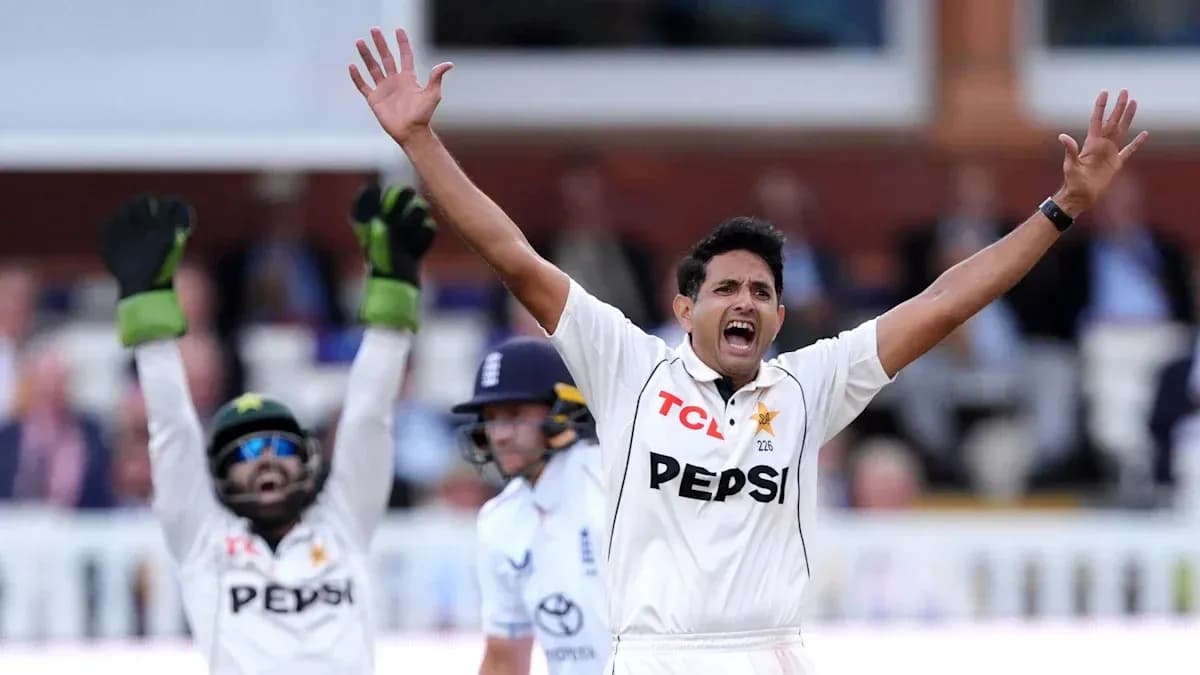
During lunch on day one of the second Test between England and Pakistan, Sky Sports went ahead with an interview that had already caused serious agitation behind the scenes: a sit‑down with Suleiman and Kasim Khan, the sons of former Pakistan captain and ex-prime minister Imran Khan, conducted by Michael Atherton.
Behind the polite tones of a mid-match feature, there was a far sharper edge. It is understood the Pakistan Cricket Board (PCB) had raised the prospect of cancelling the Lord’s Test – and even the rest of the three-match tour – if the interview went to air.
Sky showed a version of it anyway.
Players emerged after the interval as if nothing had happened, walking back out to the middle while a storm rumbled in the background that they insist they knew nothing about.
“We don’t know about the interview”
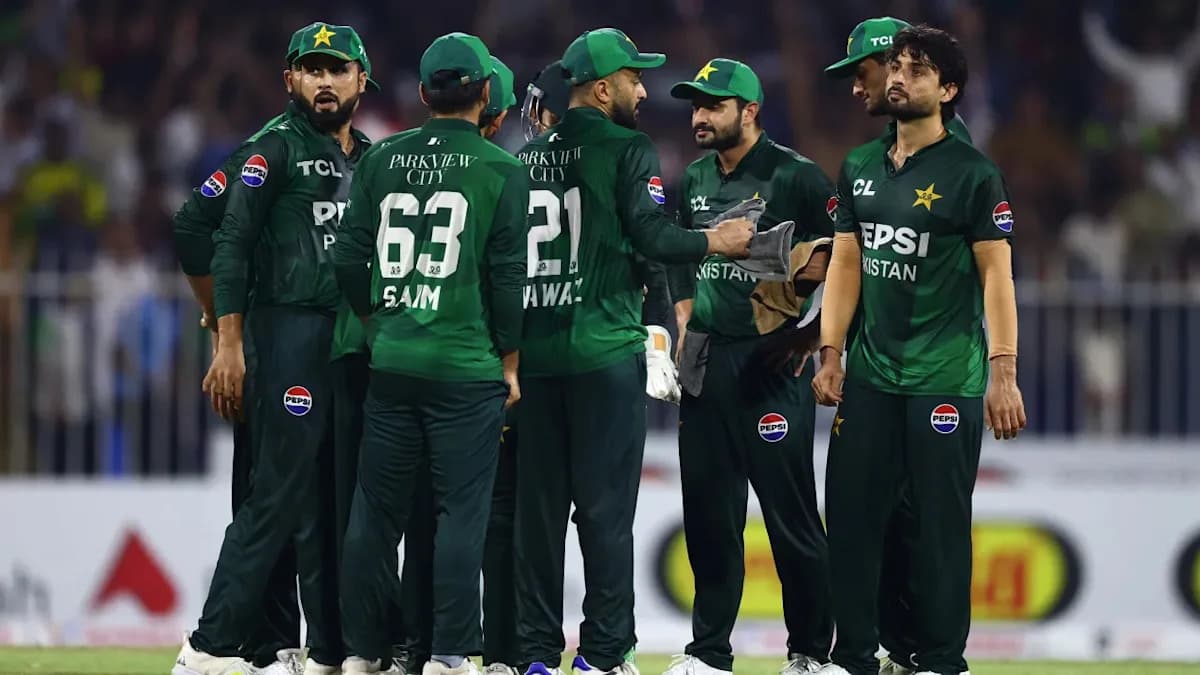
By the close of the second day, with England 81-3 in their second innings and 261 runs ahead, Pakistan head coach Sarfaraz Ahmed was asked about the row. He pushed it away with the same certainty he once used to gather a wobbling outswinger behind the stumps.
“I don’t know anything. I’m just focusing on the match,” he said. “You’re talking about the interview? We don’t know about the interview.”
Pressed on whether there was ever a chance his players would not return for the afternoon session on day one, Sarfaraz was equally blunt.
“All are OK. We were having lunch at that time.”
If a threat to pull the plug on a Lord’s Test was made, Sarfaraz made it clear it did not come from the dressing room.
Imran’s shadow over Lord’s
Imran Khan, now 73, remains one of the most powerful figures in Pakistan’s cricketing story. A 21-year international career, the 1992 World Cup trophy lifted in Melbourne, and then a leap from sporting icon to political leader, serving as Pakistan’s prime minister from 2018 to 2022.
Since 2023, he has been in jail on corruption charges he denies. His fate, and the conditions in which he is being held, have become a point of fierce debate in Pakistan and beyond.
That was the backdrop to Atherton’s interview with Suleiman and Kasim. On Sky’s lunchtime broadcast, the brothers voiced concerns about the treatment and security afforded to their father and criticised the UK government’s response to his situation.
Before the segment aired, Sky received a complaint about the plan to broadcast it. The stakes were quickly raised. The PCB, chaired by Mohsin Naqvi – who also serves as Pakistan’s interior minister – is understood to have warned of the potential cancellation of the Test and tour if the interview went out.
The tension was real enough for the England and Wales Cricket Board (ECB) to seek advice from the UK government, specifically the Foreign, Commonwealth and Development Office. The match, and perhaps the tour, hung on a broadcasting decision.
Pictures split, game continues
In the end, Sky showed a version of the interview during the lunch interval. The players walked back onto the field, the umpires took their positions, and the Lord’s crowd settled in for the afternoon session. No boycott. No walk-off. No repeat of The Oval 2006.
In Pakistan, where the match is being shown by public broadcaster PTV using Sky’s pictures, the approach was different. PTV chose not to air the interview at all, cutting away from a moment that had become politically charged.
By Friday, as the second day drew to a close, it is understood Sky had received no further complaints related to the broadcast. The cricket, at least on the surface, had reasserted itself. England’s 261-run lead put them firmly in control of the Test, while Pakistan tried to keep their focus on the pitch and away from the noise around it.
History of fraught tours
The sense of fragility around England–Pakistan series is nothing new. The current tour sits against a long, complicated history between the two boards.
In October, England are due to travel to Pakistan again for a one-day tri-series involving the hosts and Sri Lanka. It will be England’s fourth separate visit in four years, a remarkable burst of traffic after a 17-year gap when security concerns kept them away.
That renewed relationship has already been tested. Memories still linger of The Oval in 2006, when a Test between England and Pakistan was abandoned amid accusations of ball tampering. Pakistan refused to take the field after tea on the fourth day, and were adjudged to have forfeited the match – the only forfeiture in Test history.
This time, the players did come back out. No standoff on the boundary edge, no deserted dressing room, just the familiar rhythm of a Lord’s Test resuming after lunch.
Yet the events around that Sky interview underline how precarious these tours can be when cricket, politics and broadcasting collide. England will return to Pakistan in October with runs to score and series to win, but the question will linger: how long can the game stay insulated from the battles raging beyond the boundary rope?