.svg&w=384&q=75 "logo")
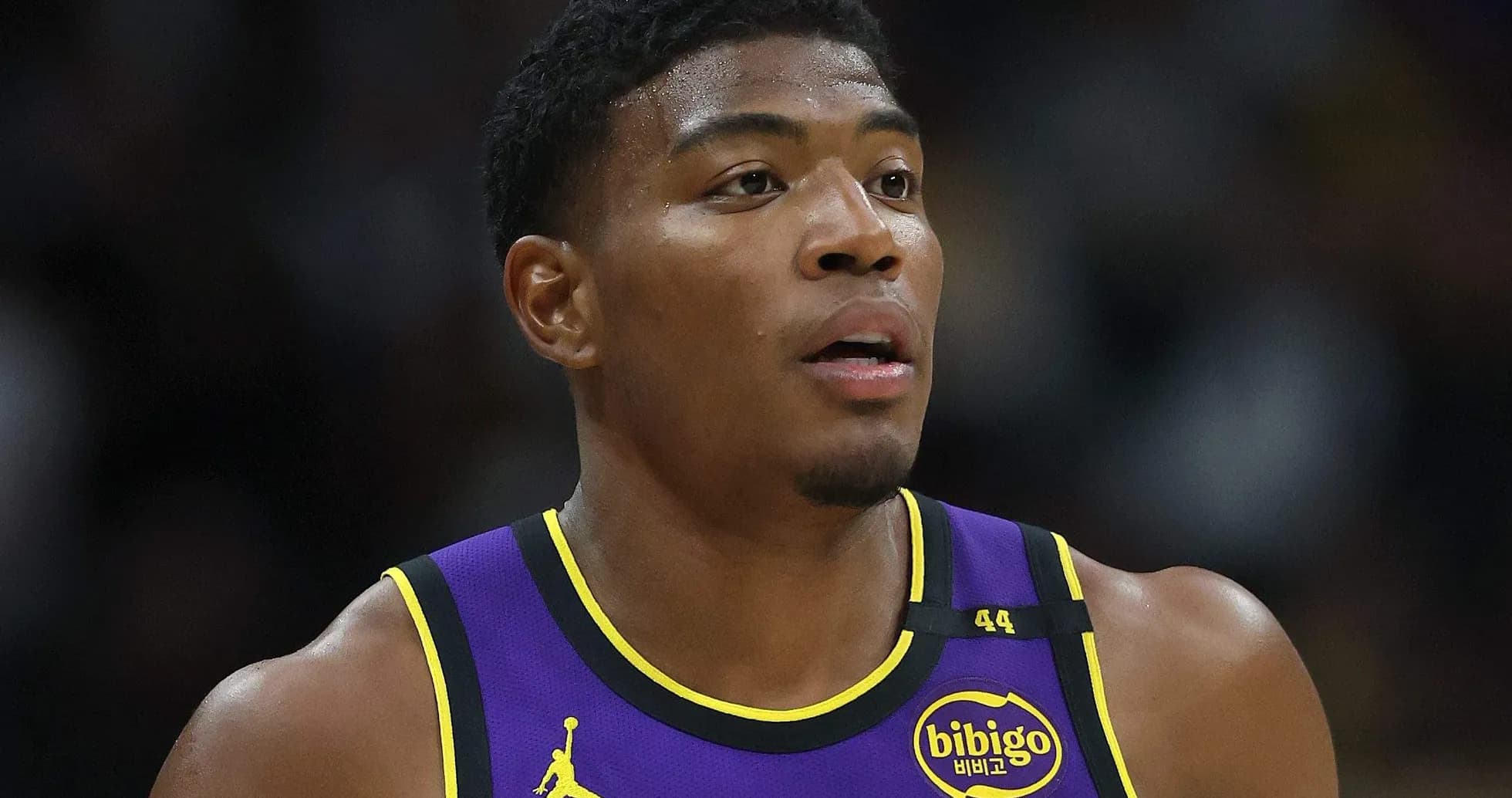
Rui Hachimura's Free Agency Decision Under Scrutiny
The NBA dropped the hammer on the L.A. Clippers, and suddenly Rui Hachimura’s summer decision looks a lot less comfortable.
Five future first-round picks gone. Kawhi Leonard fined. Steve Ballmer fined and suspended. The franchise dragged into the spotlight for salary-cap circumvention and left with a long road back. This wasn’t just a slap on the wrist; it was a reset of the Clippers’ future.
Caught in the middle of that storm is Hachimura, a player who once looked like part of the Lakers’ long-term fabric and now finds himself tied to a team whose trajectory has been violently altered.
A Cross-Town Move Under a Harsher Light
Hachimura, 28, could very easily still be in purple and gold. His time with the Lakers was productive, popular, and, at times, electric. But when free agency arrived, the Clippers put two years and $28 million on the table, and he chose to stay in Los Angeles—just not on the side where he’d built that momentum.
Now, with the league’s penalties reshaping the Clippers’ outlook, that choice is being picked apart.
On X, San Antonio Spurs analyst Dusty Garza voiced what many around the league have started to wonder.
“Watching the Clippers implode today, you have to wonder if Rui Hachimura regrets his July free agency choice,” Garza wrote. He laid out the alternative: San Antonio offering the full midlevel exception to slot Hachimura next to Victor Wembanyama on a young contender loaded with draft capital and upside. Same money, different structure—two years, $28 million from the Clippers, but with a second-year team option that tilts leverage toward the team, not the player.
“Ouch,” Garza called it. Hard to argue with that framing now.
Garza added that when the Spurs sensed hesitation from Hachimura’s side, they pivoted quickly and landed Tobias Harris instead. The door that once stood open in San Antonio closed in a hurry.
Spurs, Clippers, and a Path Not Taken
In hindsight, the contrast is brutal. The Spurs: a rising group with Wembanyama at the center, draft assets stacked, expectations climbing. The Clippers: suddenly stripped of picks, their cap machinations exposed, and their long-term picture clouded.
Hachimura’s choice, by all indications, came down to comfort and geography. He wanted to stay in Los Angeles. He did. But he tied himself to the more volatile project.
NBA insider Brett Siegel shed light earlier this offseason on how San Antonio truly viewed Hachimura. The Spurs, he reported, spoke with his representation but never locked in on him as a realistic long-term piece. Their priority was experience and veteran leadership on a short-term deal, which is why Harris topped their board. Interest in Hachimura, Siegel noted, was limited.
So the narrative of Hachimura turning down a Spurs lifeline to join the Clippers is more complicated. The Spurs liked him, but not enough to reshape their plan. They wanted a different profile, and when he hesitated, they moved on.
The Lakers’ Side of the Story
Across the hallway at Crypto.com Arena, another question hangs in the air: did the Lakers misplay this?
L.A. went hard after Jonathan Kuminga in free agency while making what’s been described as minimal effort to keep Hachimura. It’s a curious choice when you line up the résumés.
Hachimura is already a polished offensive piece and one of the most accurate 3-point shooters in the league. Last season, he buried 44.3 percent of his attempts from deep, one of the best marks in the NBA, while averaging 11.5 points per game. When the lights brightened in the postseason, he didn’t shrink—he exploded, hitting 57 percent from three and nearly 18 points per night. That’s not just good form. That’s a weapon.
He also fit. He had chemistry with stars and role players alike, including Austin Reaves and Luka Doncic in broader league circles, and he understood the demands of playing alongside high-usage creators. For a Lakers team still searching for answers at power forward, that kind of plug-and-play production is exactly what they lack.
Instead, they watched him walk. Now they’re still tinkering with lineups and searching for the right balance at the four, while one of the best shooting forwards in the league works for the team across the hall.
Regret on All Sides?
The irony is thick.
The Clippers, once a destination for veterans chasing contention and stability, are staring at a future without five first-round picks. The Spurs, who flirted with Hachimura, ended up with Tobias Harris and a cleaner fit for what they wanted. The Lakers, who knew exactly what Hachimura could do in their system, let him go and then chased a less proven option.
And Hachimura? He got his money, he stayed in his city, but he’s now attached to a franchise facing some of the harshest penalties in recent NBA memory and a contract that gives the team the power on the back end.
No one can say for certain whether he regrets the decision. What’s clear is this: as the Clippers absorb the impact of the league’s punishment and the Lakers keep wrestling with their frontcourt puzzle, the idea of Rui Hachimura in a different jersey—Spurs or Lakers—suddenly looks a lot more appealing than the reality he chose.