.svg&w=384&q=75 "logo")
Patrick Beverley Calls Out NBA Superstars: Could They Play in Europe?
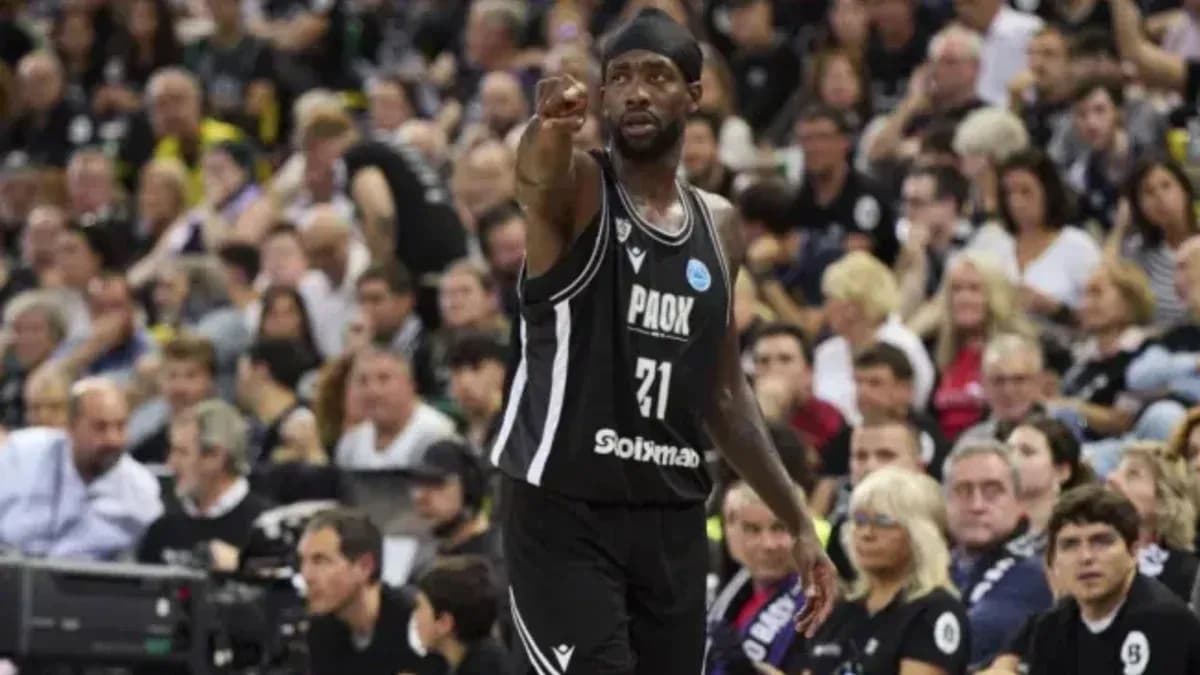
Patrick Beverley has never been afraid of a fight. Now, at 38, with his NBA days behind him and a new chapter about to start in the French league with Boulazac, he’s picked one that cuts right to the heart of modern basketball: NBA vs. Europe.
And he isn’t pulling punches.
“There are NBA superstars right now who couldn’t play in Europe. I firmly believe that. They simply couldn’t,” Beverley said on the YouTube show Thanalysis, hosted by Thanasis Antetokounmpo.
That line lands hard. A 12-year NBA veteran calling out the very top of the league he just left — not fringe guys, not role players. Superstars.
Beverley’s point isn’t that Europe is packed with better athletes. It’s that it demands a different kind of player.
“It’s not a lack of respect for each individual’s physical ability, but for their mentality,” he explained, leaning on experience few can match. Before he broke into the NBA in 2013, Beverley carved out his name in Europe, learning the game in a world where the rhythm, the power structure, and even the ego balance are nothing like the American model.
A different basketball world
For Beverley, the real divide isn’t the three-point line, the spacing, or the schedule. It’s the hierarchy.
In Europe, he insists, the star doesn’t run the show. The team does. The coach does.
“Everything revolves around the team. The coach controls everything. It’s almost like a college team made up of adults. The team is above each individual,” he said.
That’s not a throwaway comparison. A “college team made up of adults” is a very specific picture: strict systems, detailed scouting, rigid roles, non-negotiable discipline. You buy in, or you sit. No matter your name on the back of the jersey.
For players used to the NBA’s superstar ecosystem — where the best players shape offenses, influence rotations, and often dictate tempo and style — that’s a shock. In Europe, the coach calls the tune, and everyone else falls in line.
Beverley argues that this is exactly where some NBA stars would struggle. Not with the physicality, not with the tactics, but with surrendering control. With accepting fewer shots. With living inside a structure that doesn’t bend to their will.
Mentality over muscle
Beverley’s career gives his words weight. He’s seen the grind of European practices, the tactical detail of game plans, the unforgiving nature of short rotations and short contracts. He’s also seen how the NBA can orbit around its biggest names, on and off the court.
So when he says certain NBA superstars “couldn’t play in Europe,” he’s not talking about talent gaps. He’s talking about ego, adaptability, and the willingness to be just another piece of a larger machine.
In Europe, a coach can bench a star for blowing a defensive assignment and think nothing of it. In the NBA, that same decision can ripple through a locker room, a front office, and a news cycle.
Beverley has lived both realities. Now, as he heads back across the Atlantic to suit up for Boulazac, he’s made his position clear: the European game demands a different kind of commitment, a different kind of humility.
And in his eyes, not every NBA superstar is built for that.