.svg&w=384&q=75 "logo")
Pakistan Test Team Meets King Charles Amid Political Tensions
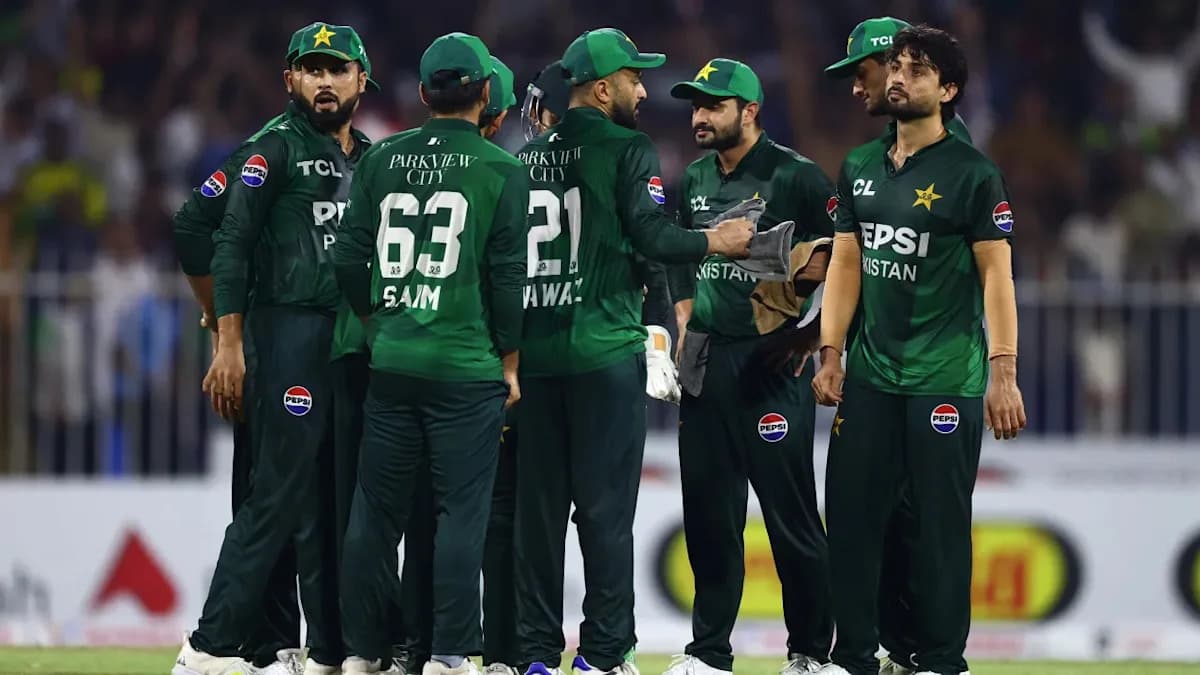
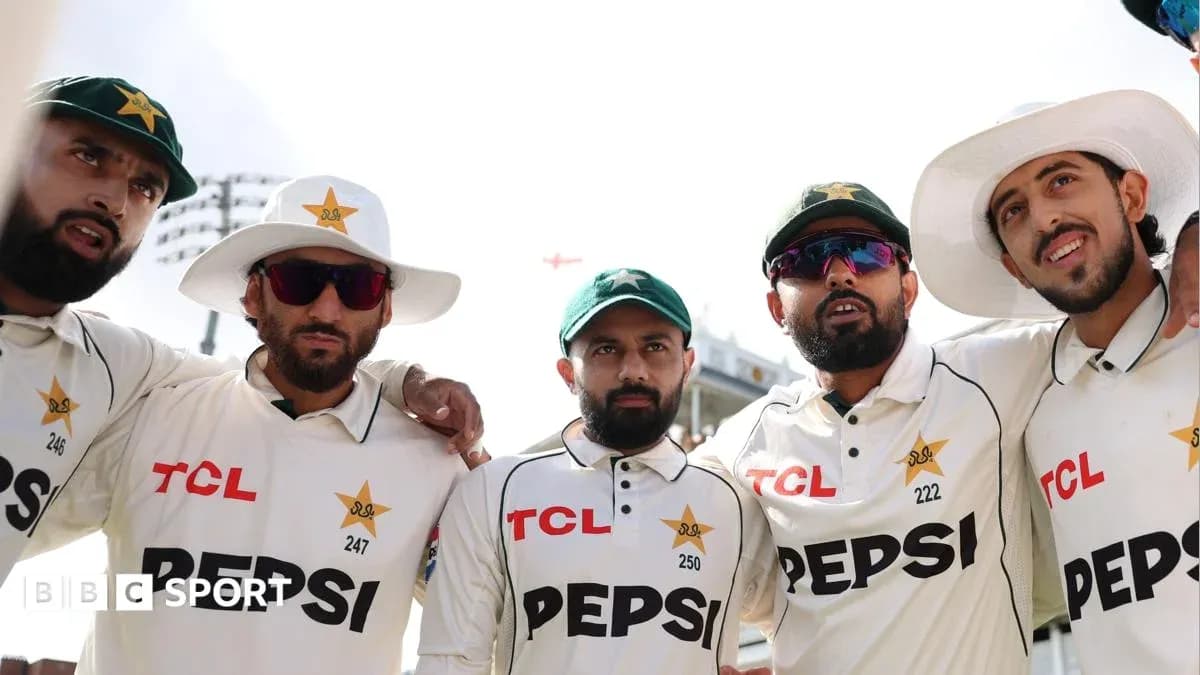
Pakistan’s Test tour of England, already heavy with political undertones, will step directly into the royal spotlight this week when the squad is granted an audience with King Charles.
The meeting, confirmed by Buckingham Palace, comes just days after the Pakistan Cricket Board (PCB) briefly threatened to pull the team off the field at Lord’s and abandon the series over a television interview with the sons of Imran Khan.
A royal engagement amid rising tension
The King, in his role as Head of the Commonwealth, is “expected to meet the tourists later this week” in the gardens of Clarence House, in a long-planned engagement scheduled between the second and third Tests.
“His Majesty the King, as Head of the Commonwealth, will receive the Pakistan Men's Test Cricket Team for an audience in the gardens of Clarence House, in the break between the second and third Test matches hosted in England over the summer,” read the Palace statement.
The audience is understood to last around 15 minutes. Short, formal, but symbolically loaded.
That symbolism has only deepened after a turbulent few days at Lord’s.
Lord’s lunch, and a threat to walk
On day one of the second Test, during the lunch interval, Sky Sports broadcast an interview with Suleiman and Kasim Khan, the sons of former Pakistan captain and prime minister Imran Khan, conducted by former England skipper Michael Atherton.
Imran Khan, 73, has been in prison for three years on corruption charges he denies. His sons used the platform to raise concerns about their father’s treatment and security, and to criticise the UK government’s response to his situation.
The fallout began before a ball was bowled after lunch.
Ahead of the interview being aired, the PCB raised the possibility of not resuming play in the second Test and cancelling the remainder of the three-match series altogether. The England and Wales Cricket Board (ECB), suddenly facing the prospect of a diplomatic and sporting crisis, sought guidance from the Foreign, Commonwealth and Development Office.
Sky had received a complaint before transmission but went ahead with a version of the interview. The pressure around Lord’s spiked. For a brief spell, the continuation of the series hung in the balance.
Then the players walked back out.
Pakistan returned to the field as scheduled after lunch, the Test continuing on time despite the off-field storm. By stumps on day two, head coach Sarfaraz Ahmed insisted he and his players had been in the dark.
“I don't know anything. I'm just focusing on the match,” he said when asked about the interview. “You're talking about the interview? We don't know about the interview.”
On the surface, the cricket rolled on. Beneath it, politics and power swirled.
Imran, the Commonwealth and a King under pressure
Imran Khan’s presence in this story is inescapable, even from a prison cell.
The all-rounder who led Pakistan to their 1992 World Cup triumph enjoyed a 21-year international career before turning to politics, serving as Pakistan’s prime minister from 2018 to 2022. He was jailed the following year.
His case has already been pushed towards the King once. In December, Imran’s sister, Aleema Khanum, publicly appealed to Charles in his capacity as head of the Commonwealth to speak out.
“Pakistan is a member of the Commonwealth of Nations,” she told The Times. “Its key principles in the charter are rule of law, democracy, and human rights. A member nation is busy destroying all three fundamental principles.
“Member states, especially where King Charles is the head of the Commonwealth organisation, don't speak out against fascism or military dictatorship? What is the point of just organisations then?”
Those words now echo louder with Pakistan’s Test side about to step into Clarence House. The meeting was arranged before the series began, but context has transformed what might have been a polite, ceremonial drop-in into something far more charged.
PCB power and political overlap
The PCB itself sits at the intersection of sport and state. Its chairman, Mohsin Naqvi, also serves as interior minister in Pakistan’s current government, placing him at the heart of the country’s security and political machinery.
The PCB has been asked to confirm whether Naqvi will attend the audience with the King. His presence would add another layer to an already intricate picture: a royal meeting involving a team whose board is headed by a senior government minister, at a time when the most famous cricketer in the country’s history sits in jail.
For the players, the job description remains simpler: bat, bowl, field, win. For everyone around them, the stakes feel bigger.
Cricket carries on – and will head back to Pakistan
Despite the turbulence at Lord’s, the fixture list remains intact. After this summer’s Tests, England are due to tour Pakistan again in October for a one-day tri-series involving the hosts and Sri Lanka.
That trip will mark England’s fourth separate visit to Pakistan in four years, a remarkable acceleration after a 17-year absence caused by security concerns. The relationship between the two boards has never been busier, or more publicly tested.
So the Pakistan team will soon leave the quiet of the Lord’s pavilion for the manicured calm of Clarence House, shaking hands with a monarch who has already been asked to intervene in their country’s political crisis.
The cricket will resume. The cameras will return to the middle. But with Imran Khan’s name echoing from the stands to the palace gardens, how long can this tour remain just about runs and wickets?