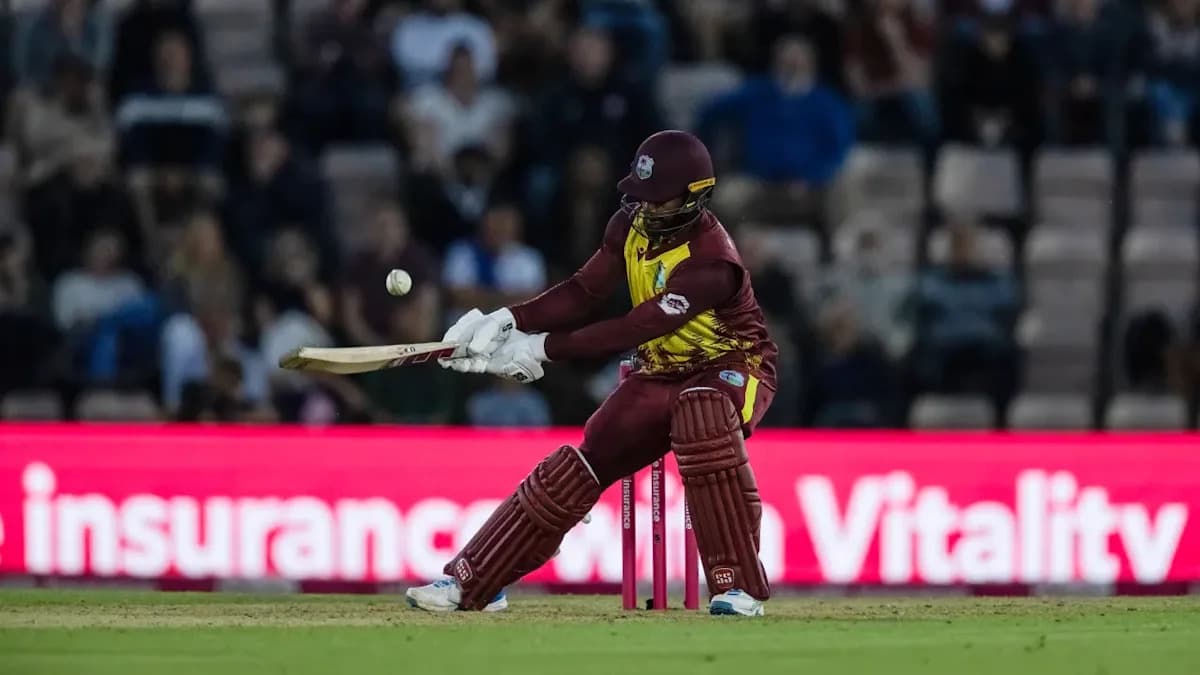
Pakistan's Test Crisis: The Saim Ayub Gamble Exposed
Pakistan’s search for a quick fix to its Test crisis has run straight into a brick wall at Edgbaston.
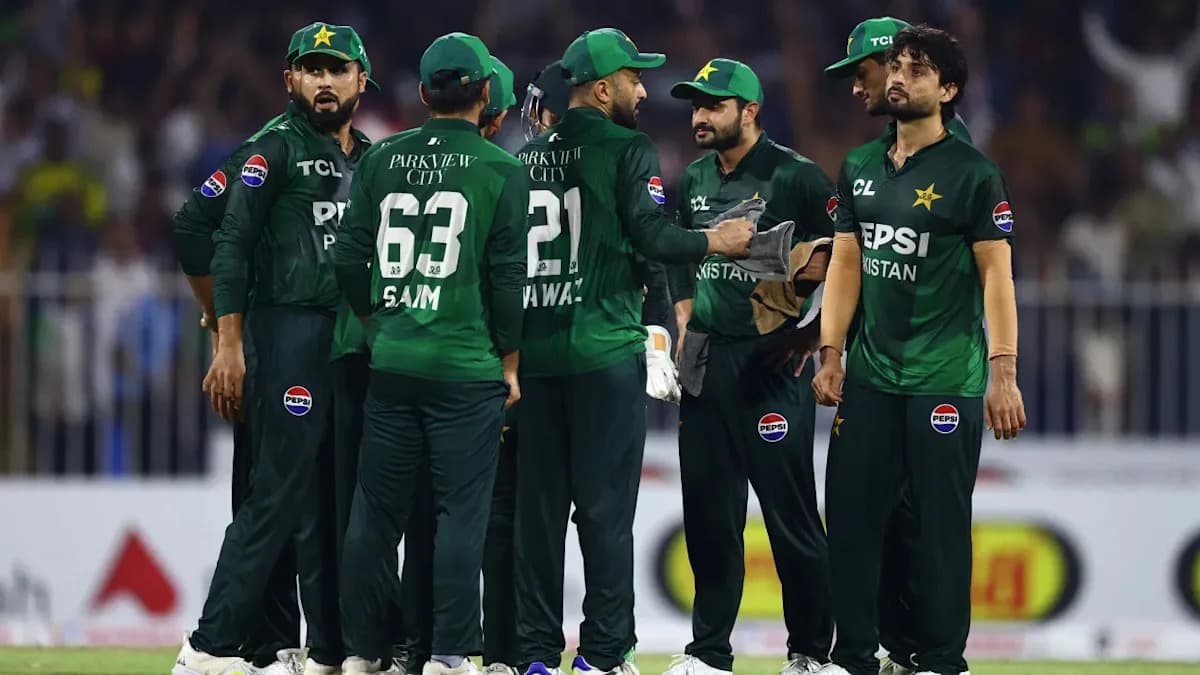
Three matches into this bruising series in England, the Mohsin Naqvi-led Pakistan Cricket Board has churned through personnel, ripped up plans and drafted in new faces. Seven changes after Lord’s. A radically altered squad. The same result. Babar Azam’s team is again staring at defeat inside three days, the slump deepening rather than easing.
And at the heart of the storm sits one selection that has ignited fury: Saim Ayub.
A gamble exposed
Ayub’s route into this Test side says everything about Pakistan’s muddled thinking. The left-hander was parachuted into the squad off the back of a century in the Caribbean Premier League, a fine achievement in its own right but a world away from batting at the top of the order in an English Test with a Dukes ball jagging around.
He walked out twice at Edgbaston. He walked back twice without a run to his name.
Ollie Robinson removed him in both innings, exposing the gulf between franchise rhythm and red-ball reality. A pair on debut, and with it a storm of criticism that has landed not so much on the 22-year-old as on those who sent him into this arena so underprepared.
Hussain’s blunt verdict
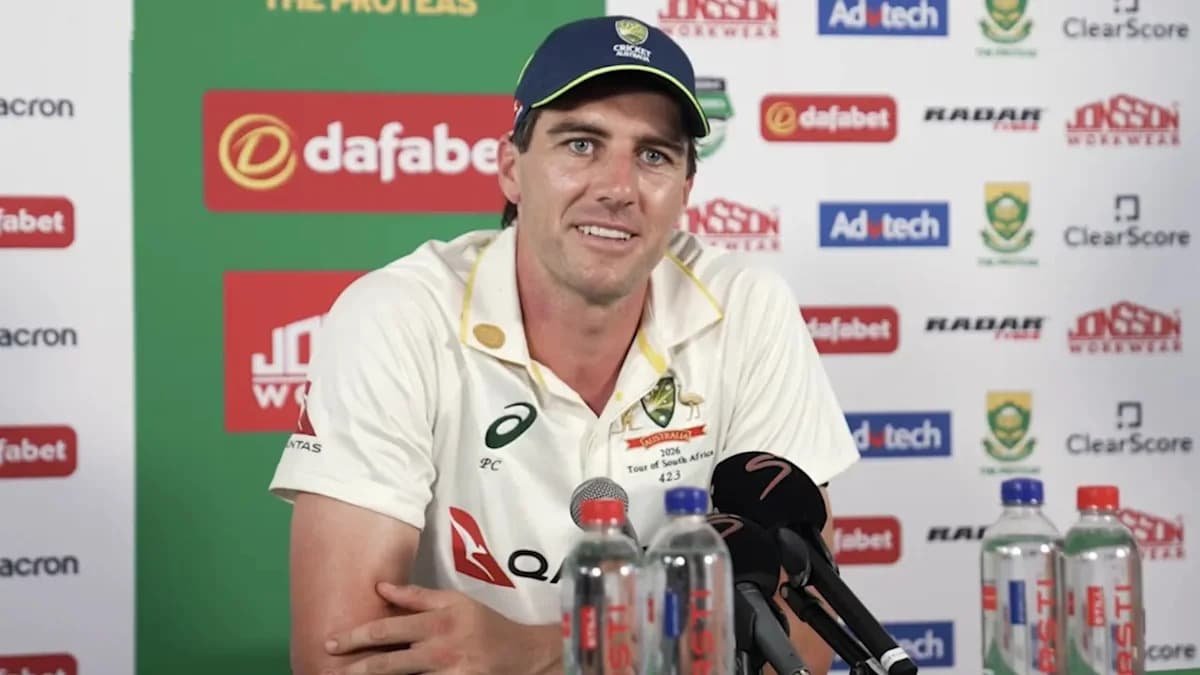
Nasser Hussain did not bother to sugarcoat it. The former England captain, speaking on Sky Sports after Day 2, tore into the decision-making that brought Ayub to Birmingham.
“The truth is, he shouldn’t be here,” Hussain said. “He came from the CPL and hasn’t played first-class cricket in some time. I don’t know who thinks it’s the right thing to fly someone over from foreign conditions, playing a completely different format, and think they’re going to be fine in these conditions against a Dukes ball, against Ollie Robinson and England’s bowling attack.”
Then he went further, framing it as an insult to the format itself.
“It is just a sort of disrespect and disregard for Test match cricket. Test match cricket, as any cricketer will tell you, is the toughest format. Batting at the top of the order in England is the toughest task, and you just feel you can fly someone in from some part of the world and go, ‘Good luck’.”
That word – disrespect – cuts deep. It speaks less to Ayub’s talent and more to the way Pakistan’s red-ball cricket is being handled from above.
The Sehwag warning Pakistan ignored
Hussain did not have to look far for a precedent. He reached back to 2011, to this very ground, and to a giant of the modern game.
“Virender Sehwag tried it on this ground, if you remember… they flew him in. Virender Sehwag got a pair, and that’s Virender Sehwag, who’s a better, more experienced player than Saim,” Hussain said.
If a player of Sehwag’s stature and pedigree could be chewed up by the same scenario, what chance did a young opener with no recent first-class cricket stand?
Ayub’s last first-class appearance came in October 2025. Between then and this Test, his most notable innings was that CPL hundred – a knock that clearly impressed selectors but did nothing to prepare him for Robinson hitting a nagging length under grey skies with a Dukes in hand.
“So a bit of responsibility goes to the lad for the shot he played,” Hussain added. “But also, whoever thought that was a seriously good decision and that he was going to go okay this week?”
The question hangs over the PCB, not the player.
A symptom of a deeper problem
Basit Ali and Kamran Akmal have already joined the chorus, criticising the move to fast-track Ayub on the back of T20 success. Their frustration mirrors a wider unease: Pakistan are trying to patch structural issues with short-term gambles, and those gambles are being exposed in the harshest conditions.
Seven changes after Lord’s were supposed to jolt the team into life. Instead, the churn has only underlined a lack of coherent planning. A young opener with no recent red-ball mileage has been thrown into a role that demands the most refined technique and temperament the game can ask for.
Ayub will not be the last talented batter to fail in England. The real test now is whether Pakistan recognise that his pair at Edgbaston is not an individual indictment, but a flashing warning light about how they are treating Test cricket – and whether anyone in power is prepared to change course before the format slips even further from their grasp.