.svg&w=384&q=75 "logo")
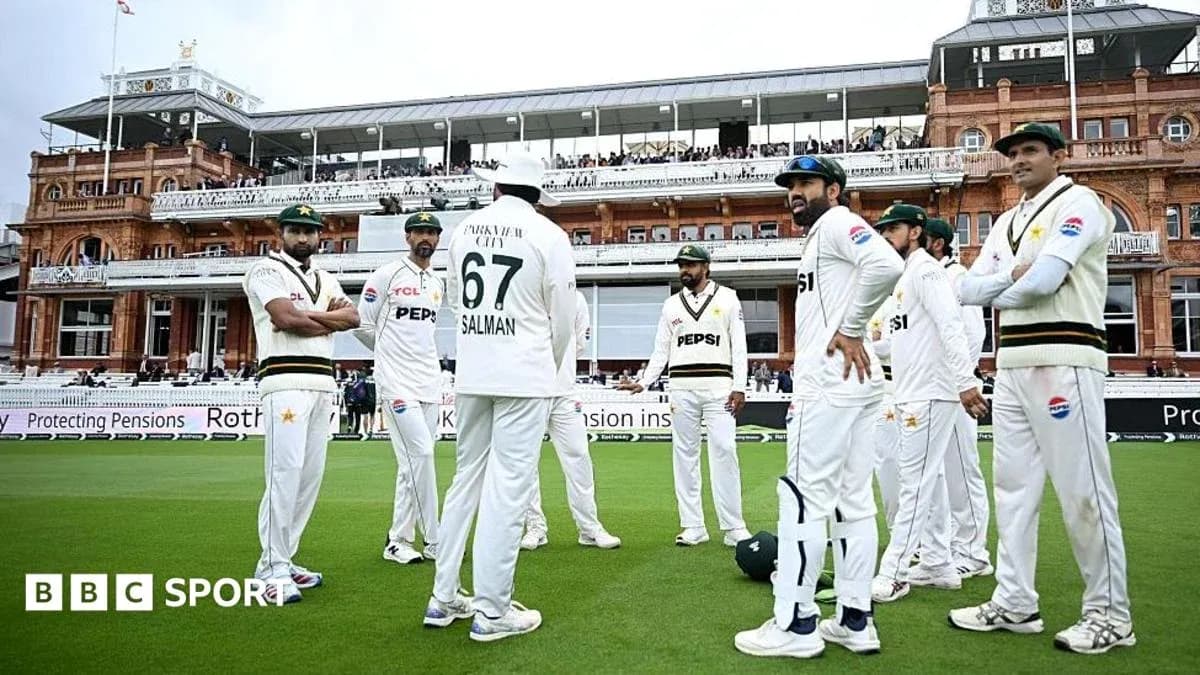
Pakistan Drops Seven Players and Sacks Coach After England Defeats
Pakistan’s response to being outplayed by England has been as dramatic as their cricketing history suggests – and then some.
Two crushing defeats, four batting collapses, and the tourists have torn up their plans for the remainder of the series. Seven players dropped. Five uncapped men called into the squad. The head coach and his assistant released. All before the third and final Test at Edgbaston on 9 September.
This is not a reset. It is a clear-out.
Seven out, seven in
The cull is brutal. Muhammad Rizwan, Imam-ul-Haq, Salman Ali Agha, Ali Usman and Khurram Shahzad, all involved in the series so far, have been jettisoned. Aamir Jamal and Muhammad Awais Jafar, who travelled without playing a Test, are also on the next flight home.
In their place comes a wave of change.
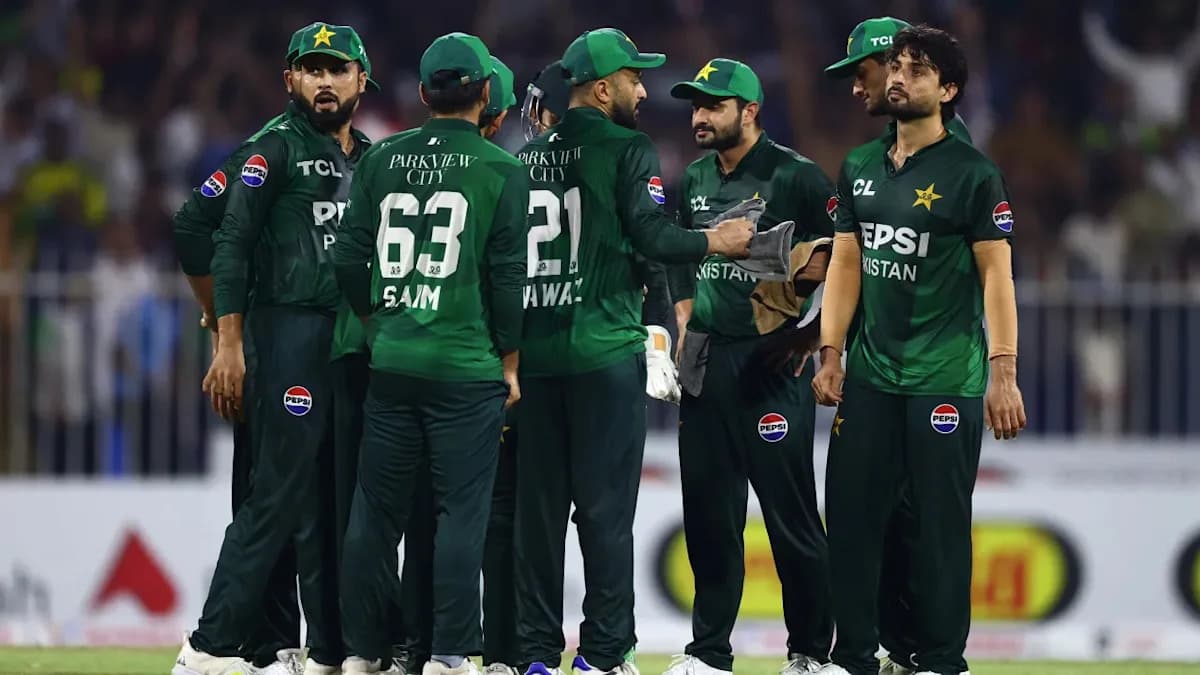
Batters Saim Ayub and Abdullah Fazal, who have tasted Test cricket before, return to bolster a top order that has repeatedly folded. Alongside them arrives a cluster of fresh faces: spin-bowling all-rounder Arafat Minhas, left-arm seamer Mohammed Imran Jr, wicketkeeper Said Baig and all-rounders Mohammad Imran and Razaullah.
Five of that group are uncapped. They will walk into a dressing room still reeling from two heavy defeats and be asked to help salvage pride, if not the series.
Coaching shake-up in midstream
The overhaul does not stop at the boundary rope.
Head coach Sarfaraz Ahmed and his assistant Umar Gul have been released from their roles with immediate effect. In their place, Pakistan have turned to white-ball coach Mike Hesson and former Australia seamer Ashley Noffke, who step in to steer the side for the Edgbaston Test.
For a touring team to send home seven players and remove the head coach mid-series is almost unheard of at this level. Pakistan have never been shy of bold decisions, but this is a jolt even by their standards.
A response to abject displays
The trigger is obvious. Pakistan have been outclassed.
They lost the first Test at Headingley by an innings. The second at Lord’s went by 194 runs. Across four innings, they have not once reached 200. Each collapse has deepened the sense of crisis, each limp resistance tightening the pressure on players and staff.
England have dominated with bat and ball; Pakistan have looked short of runs, short of resilience and short of answers. The selectors’ response is to change almost everything.
Pakistan’s taste for the radical
This is not the first time Pakistan have taken a sledgehammer to convention after a setback.
On England’s last tour of Pakistan in 2024, the hosts watched the visitors pile up a total in excess of 800 in the first Test. Rather than abandon the surface, they doubled down. The second Test in Multan was staged on the same pitch.
Groundstaff used garden heaters and fans to dry the surface, tailoring conditions to give their spinners maximum assistance. It worked. Pakistan turned the series on its head, winning the next two Tests to seal a 2-1 victory.
That history hangs over this latest gamble. When Pakistan lurch, they sometimes land on their feet.
The question now is whether this sweeping mid-series revolution can spark something similar in Birmingham, or whether Edgbaston will simply expose how deep the problems really run.