.svg&w=384&q=75 "logo")
Pakistan Cricket Team's Royal Meeting Amid Turmoil
Pakistan’s turbulent tour of England took a surreal turn this week, as players dropped from the Test squad were told to don their blazers and head to Clarence House for a meeting with King Charles III.
Some of them had just been axed. One refused to go in protest. Yet the Pakistan Cricket Board still wanted them in the room.
Dropped, then summoned
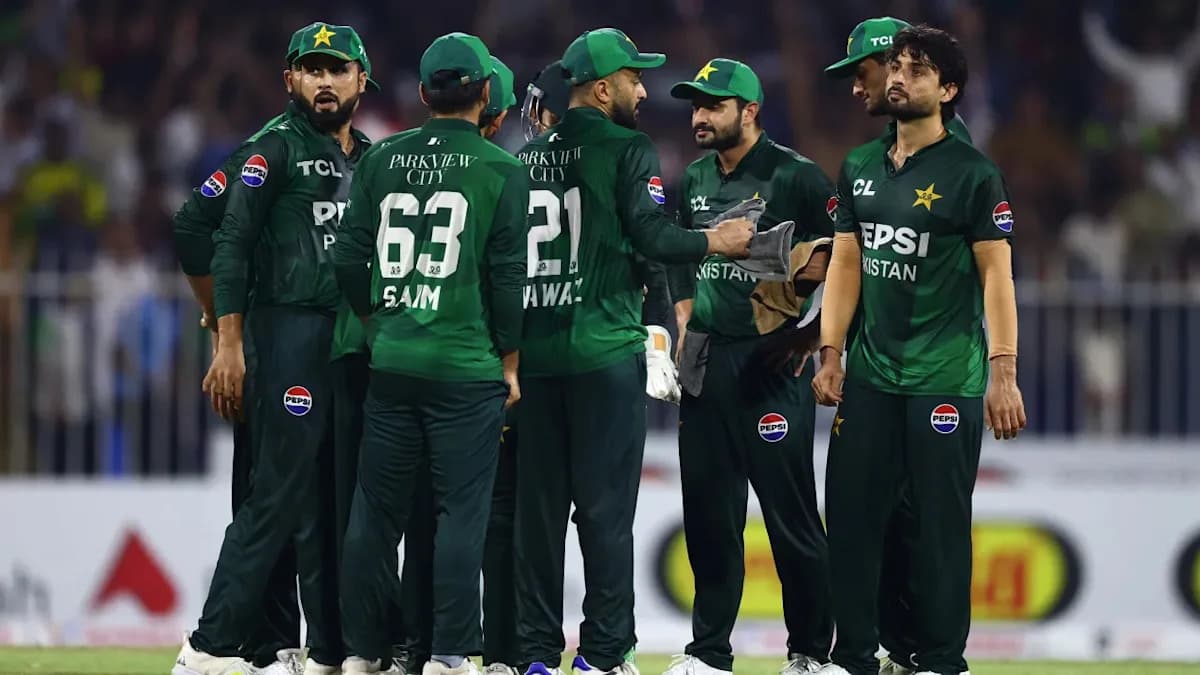
Seven players and several members of the coaching staff were removed from the touring party after back-to-back defeats at Lord’s and Headingley. The cull underlined the sense of crisis around the side, but it also created a problem off the field: a royal engagement in London that suddenly looked thin on numbers.
According to a report in The Telegraph, the PCB instructed several of the dropped players to attend the meeting with the King, keen to avoid an awkwardly small turnout in front of the cameras. Ali Usman, Aamir Jamal, Khurram Shahzad and Muhammad Awais Zafar all made the trip, despite strong reservations within the camp and a clear desire from some to keep their distance from official duties while the team was in turmoil.
One omitted player went the other way entirely and refused to attend, a small but pointed act of defiance in a squad already straining under pressure.
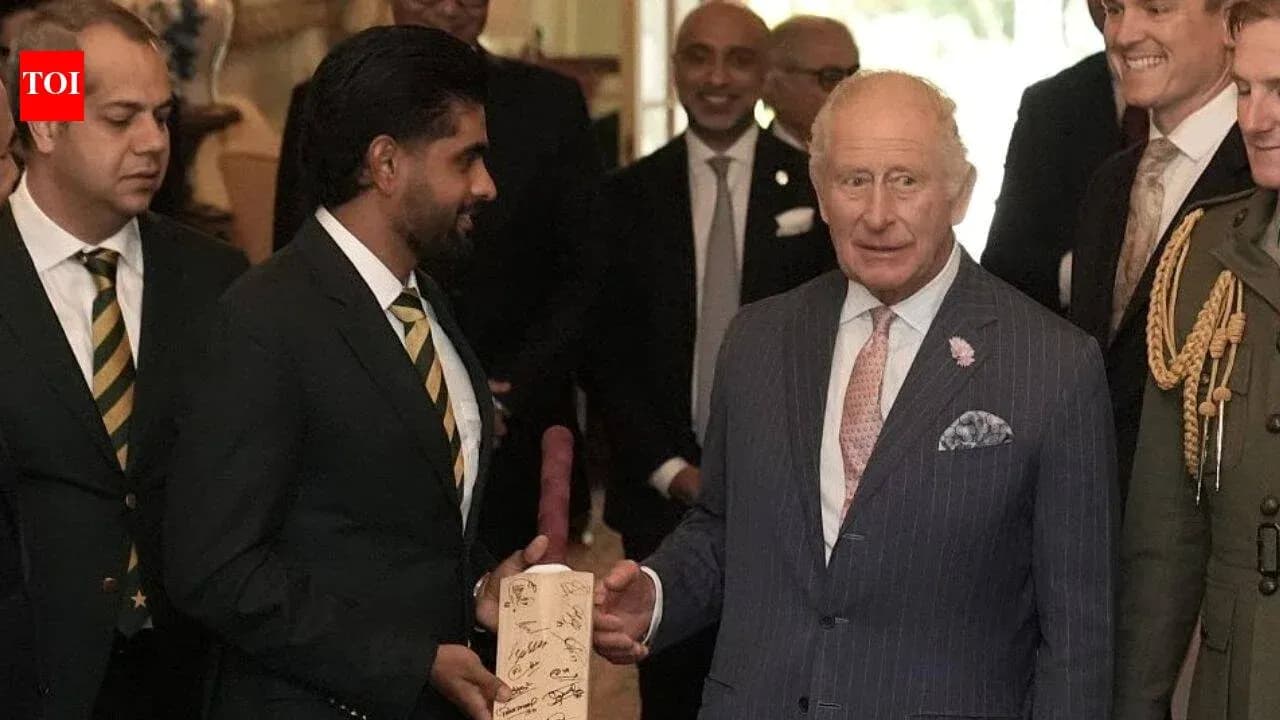
Inside Clarence House, the mood was calmer. King Charles spoke with players and officials, offering words of encouragement during what has become a bruising tour on and off the field. Pakistan captain Babar Azam presented him with a signed bat, a traditional gesture on an increasingly untraditional trip. PCB chairman Mohsin Naqvi also handed over a gift and later described the meeting as positive, saying the King praised Pakistan’s contribution to peace.
It was a polished diplomatic moment, masking a deeply unsettled cricket operation.
Crisis on and off the field
The royal engagement did not arrive in isolation. It dropped into the middle of a storm.
At Lord’s, Pakistan’s frustrations had already spilled close to breaking point. The team threatened not to return after lunch if a broadcast interview with the sons of former captain and prime minister Imran Khan went to air. The segment did run, and Pakistan eventually walked back out, but the episode underlined just how raw tensions had become.
They lost the match anyway. The defeat triggered a ruthless reshaping of the touring party: seven players and coaches removed, head coach Sarfaraz Ahmed sacked, and New Zealander Mike Hesson drafted in to lead the side for the remainder of the series.
So while Babar stood smiling with King Charles and handed over a bat, the squad behind him was being rebuilt in real time, its hierarchy shaken, its confidence punctured.
The PCB may have filled out the royal reception line, but the real question hangs over a different stage: what kind of team will Pakistan be by the time this tour is over, and how much more upheaval can it take before the cracks become permanent?