.svg&w=384&q=75 "logo")
Pakistan Cricket's Turmoil: Gohar Shah's Critique
The shake-up was brutal, even by Pakistan cricket’s turbulent standards.
On the eve of the third Test against England at Edgbaston, the Pakistan Cricket Board (PCB) ripped up its plans, axed seven players from the Test squad and removed its red-ball coaching staff. The timing, the scale, the message – all of it has rattled the game.
Multan Sultans CEO Gohar Shah has now given that turmoil a voice.
A squad gutted, a staff removed
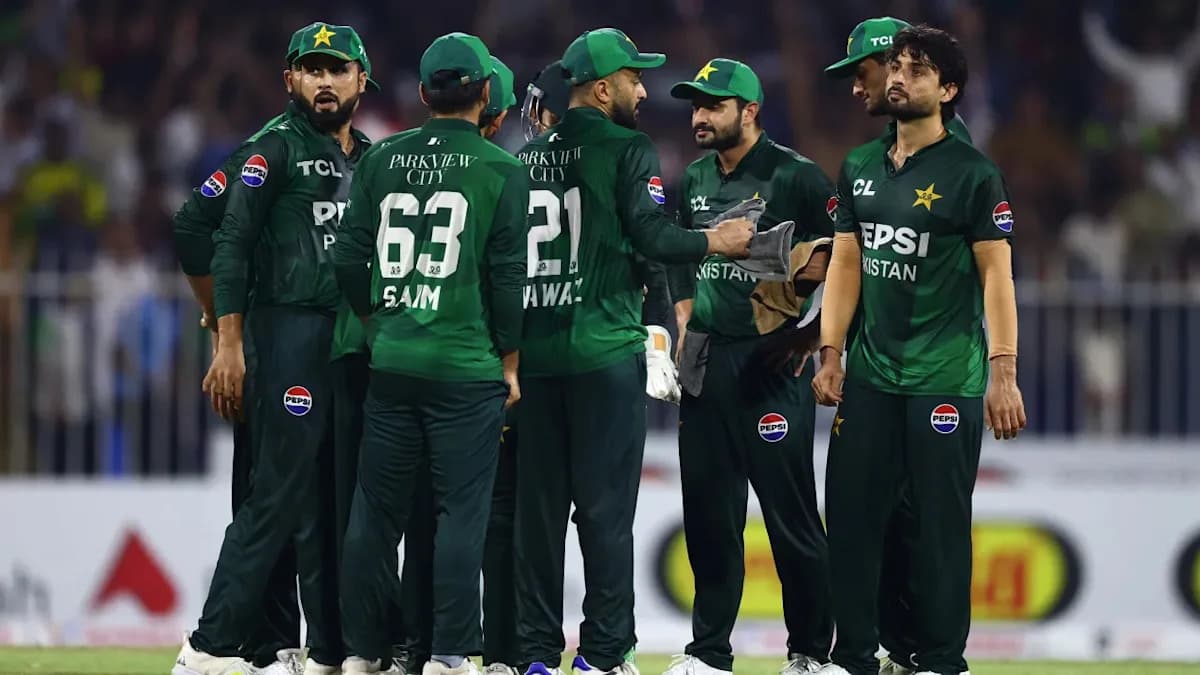
The backdrop is ugly. Pakistan were hammered by an innings and 103 runs in the first Test, then brushed aside by 194 runs at Lord’s. Two heavy defeats, and the response from the board was swift and unforgiving.
Mohammad Rizwan, Imam-ul-Haq, Salman Ali Agha, Ali Usman, Aamer Jamal, Awais Zafar and Khurram Shahzad were all released from the Test squad ahead of the Edgbaston match starting September 9.
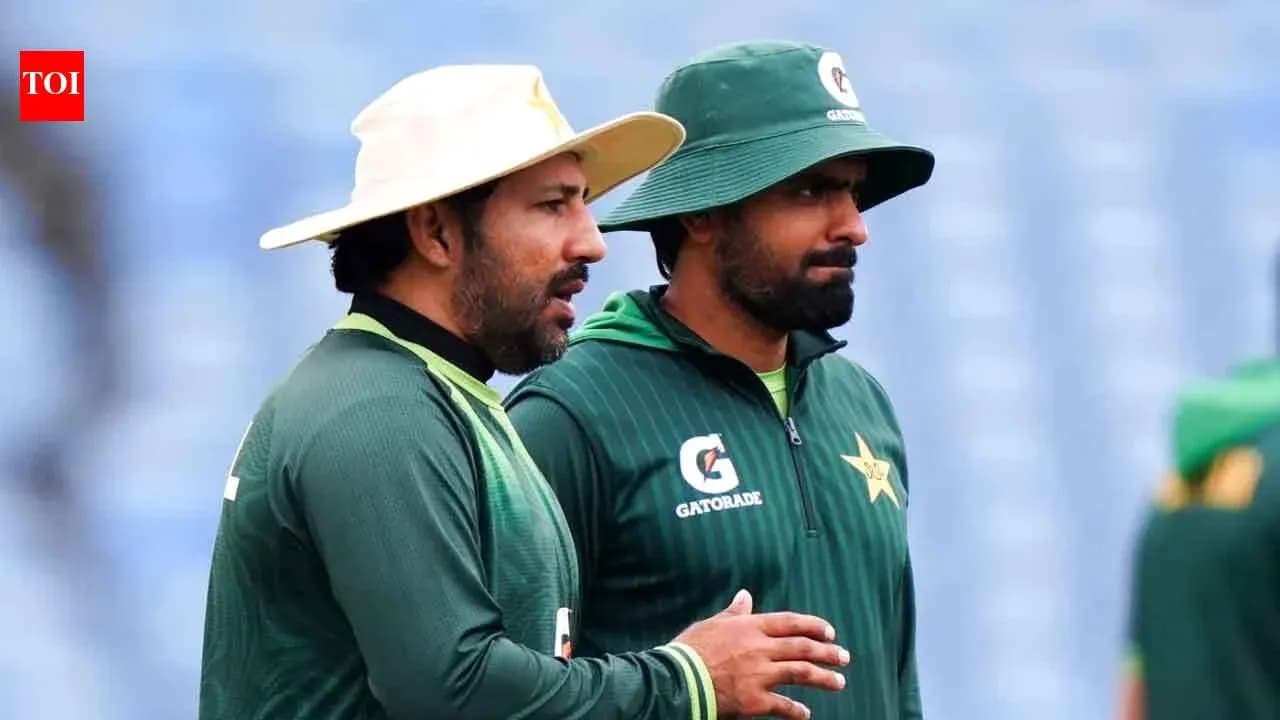
The clear-out didn’t stop there. Former captain Sarfaraz Ahmed was removed as head coach, while Umar Gul was relieved of his duties as bowling coach. In their place, the PCB drafted in white-ball head coach Mike Hesson and bowling coach Ashley Noffke to oversee the rest of the England tour.
In one stroke, Pakistan’s Test set-up looked unrecognisable.
Gohar Shah’s warning shot
Into this chaos stepped Gohar Shah, 31, a franchise executive who has played two first-class matches but now operates close to the heartbeat of the modern Pakistan game through the PSL and Multan Sultans.
He chose his moment – and his platform. On X, he posted a long, unvarnished assessment of where he believes Pakistan cricket is going wrong, openly acknowledging that it “may land me in hot water” but insisting he owed the sport honesty.
“I was a fan before I was a stakeholder,” he wrote, framing his critique as something deeper than a corporate grievance. From there, he went straight for the standards he sees around him.
Shah painted a picture of a dressing room where the word “professional” has lost its weight. Late nights. Junk food. Players drifting through long tours on hotel diets and habits that, in his eyes, don’t match the demands of Test cricket.
“Late nights and junk food are common,” he wrote, accepting the grind of being “stuck for 6 weeks” but arguing that elite athletes simply have to live differently if they want to compete.
Then he turned to effort – or the lack of it.
‘What are you saving your legs for?’
Shah’s sharpest criticism fell on the intensity shown during the England series. He described a mentality problem, a reluctance to do the “tough yards” that define Test cricket.
He highlighted moments where, after long spells, Pakistan’s pace bowlers did not chase the ball to the boundary. For him, that symbolised something deeper than tired legs.
“What are you saving your legs for?” he asked pointedly, reminding his audience that the Test at the centre of his example “ended in 2.5 days.” In other words: the game was short, the effort shorter.
This was not a tactical breakdown or a technical autopsy. It was a cultural indictment.
‘Job first, Pakistan later’
Shah didn’t stop with the players. He widened the lens to take in almost every pillar of Pakistan’s cricket ecosystem – journalists, ex-players, the PCB, and the PSL structure itself.
On the media, he accused journalists of pushing “their own agendas,” suggesting that coverage and narratives often depend on who they like, who “caters for them more,” and what comes via “leaks, gifts, favours.” It was a direct shot at a media environment he sees as compromised and personality-driven.
Former players came under fire too. Shah drew a sharp line between those who have earned coaching badges and qualifications and those who, in his view, prefer the comfort of television studios.
“Barring a few who actually worked and got their coaching badges and qualifications,” he wrote, most ex-players “find it more comfortable to go on tv and just iterate the problems.” They talk, he argued, but do not “present the solutions” or gain the experience needed to genuinely contribute.
Then came the board.
“The board is too bureaucratic,” Shah observed, describing a culture where people “fear to speak their mind because they worry about backlash and their jobs.” Inside that system, he said, even those who “genuinely wanted to help” eventually see their efforts go nowhere, give up the fight and “just settle for their paycheck.”
It was a bleak portrait: a game locked in self-preservation mode.
PSL structure under the microscope
Shah also turned his attention to the Pakistan Super League, the competition that has become the commercial and cricketing lifeline for many in the country.
He questioned the very structure under which franchises operate. With a “10 year lease,” he argued, owners are asked to build brands, invest in teams, and grow the product – only to hand it back to the PCB.
“Why would you grow if you see none of the benefit? Only the bills,” he asked, highlighting a model he believes discourages long-term investment.
He also criticised retention rules and category changes, claiming that franchises “invest in players and talent hunts only to lose them” because of regulations that he described as “agenda driven.” In his view, the system punishes those who try to build and rewards short-term manoeuvring.
It was a rare public challenge from inside the PSL structure, aimed not at rival teams but at the framework itself.
A hard critique, a hopeful closing line
For all the bluntness, Shah’s final note was not one of abandonment. It was of attachment.
“Pakistan cricket will always be in my heart,” he wrote, closing his post with a plea rather than a rant. He asked for prayers that Pakistan can return to being “the best. Not just good or competitive, but the best.”
The PCB’s overhaul has already shaken the dressing room. Shah’s words reach beyond it – into boardrooms, studios and press boxes. The question now is whether anyone inside that system is willing to risk their comfort, and their job, to answer him.