.svg&w=384&q=75 "logo")
Pakistan Cricket Board's Radical Test Overhaul Amidst England Series
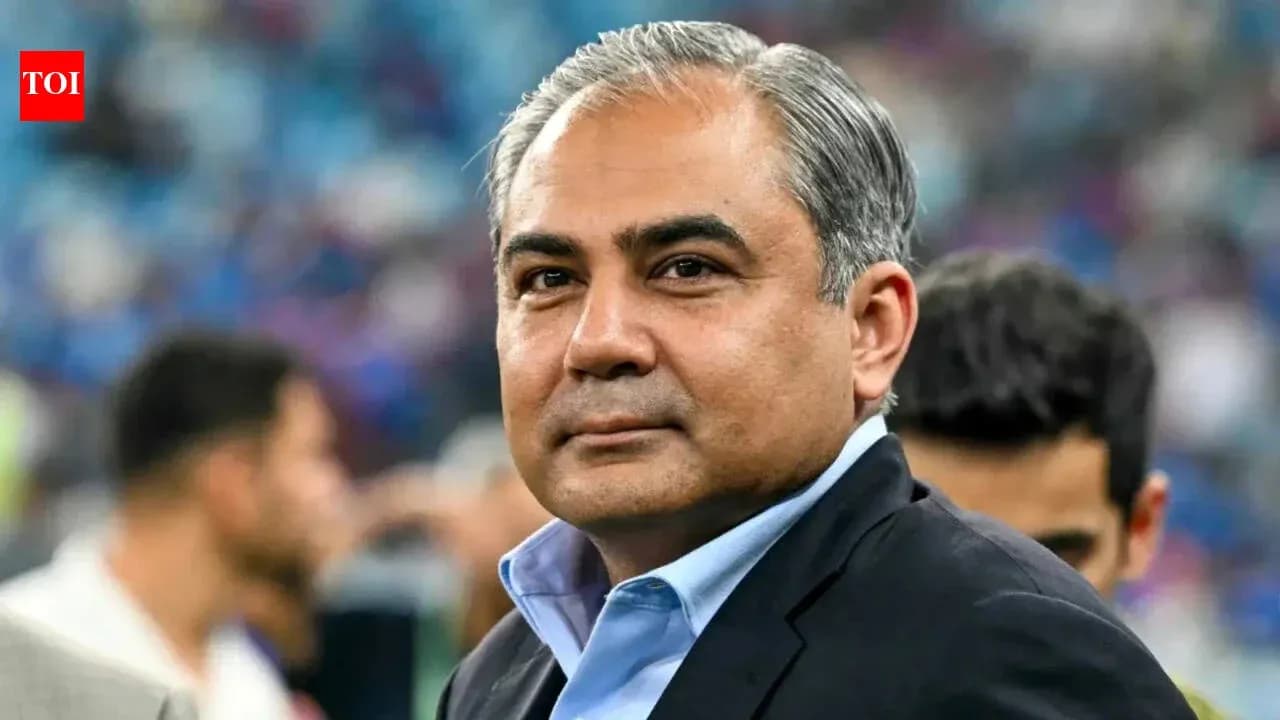
Mohsin Naqvi has chosen confrontation over caution. With Pakistan battered in England and the knives out at home, the Pakistan Cricket Board (PCB) chairman has doubled down on a radical reset of the Test squad, insisting the upheaval was “essential” rather than impulsive.
Pakistan trail 2-0 in the three-match series, the contest already gone before the final Test begins on September 9. The margins have been brutal: an innings defeat in the opener, followed by a 194-run loss in the second. For a board still early in its new regime, the response has been anything but timid.
Chairman under fire, but unflinching
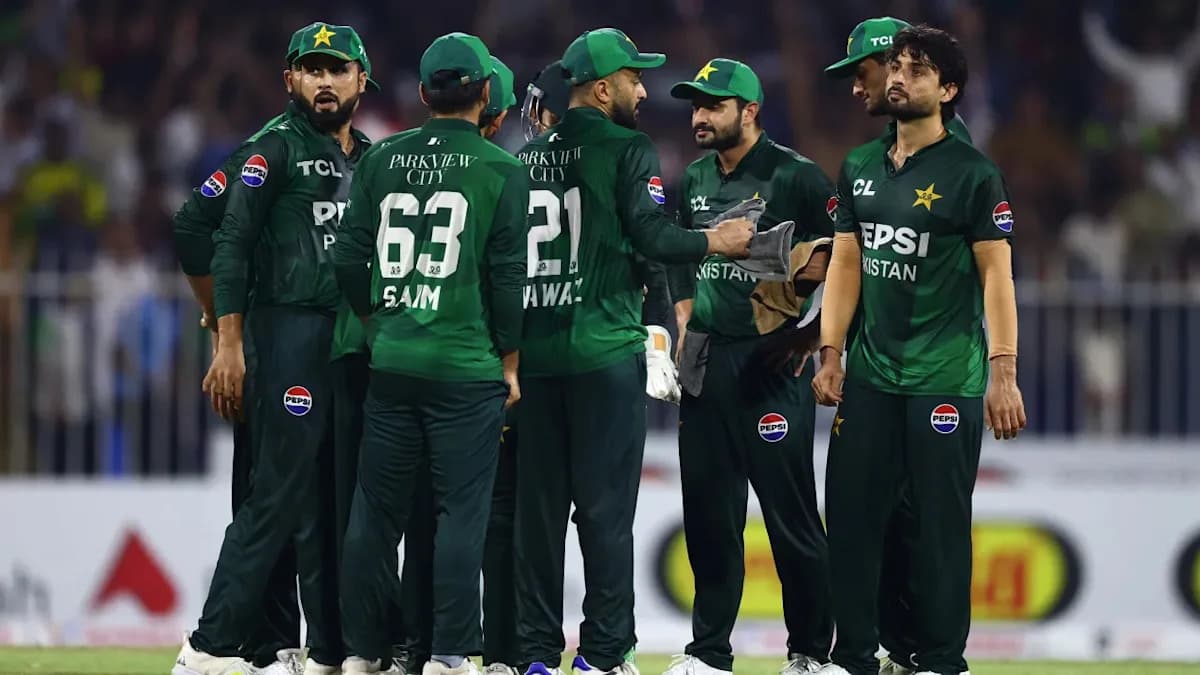
The scale of the changes has stunned former players, analysts and fans. Seven players have been released mid-series, coaching roles have been reshuffled, and a clutch of uncapped cricketers have been thrown into the deepest end of international cricket — in England, in September, with the team’s confidence on the floor.
Naqvi, though, has brushed aside the uproar.
He has framed the decisions as part of a broader course correction, not a knee-jerk reaction to two heavy defeats. While he acknowledged Pakistan’s poor Test returns on this tour, he pointed to what he sees as clear progress in white-ball cricket since he took charge.
“I have never been afraid of criticism, and I never will be. Those who say cricket has been destroyed since I came – look at what the rankings were before,” he said, as quoted by Geo News. The message was clear: judge the regime on the full picture, not just a grim fortnight in England.
Naqvi also hinted that his review stretches beyond the scoreboard. He said he was examining issues outside on-field performance but argued this was not the moment to air matters unrelated to cricket. For now, the storm around the Test side is enough.
Seven out, a new core in
The PCB’s response after the second defeat was ruthless.
- Mohammad Rizwan
- Imam-ul-Haq
- Salman Agha
- Ali Usman
- Aamer Jamal
- Awais Zafar
- Khurram Shahzad
were all released from the Test squad. Several of those names have been central to Pakistan’s plans in recent seasons; some were still fighting to cement their places. All are now out of the immediate Test picture.
In their place, the board has turned to youth and inexperience. Five uncapped players have been drafted in: Arafat Minhas, Mohammad Imran Jnr, Saad Baig, Mohammad Imran Randhawa and Razaullah. Alongside them come Saim Ayub and Abdullah Fazal, who between them have only 10 matches of experience.
It is a gamble that cuts both ways. Fresh energy, new hunger, a chance to reset the dressing-room dynamic — those are the upsides. The risk is obvious: a raw group, on foreign soil, against a confident England side that has already exposed Pakistan’s frailties.
Naqvi, though, has chosen to back the shake-up as a necessary jolt to a Test setup that has drifted.
Coaching reset to match selection shock
The clear-out has not stopped with the playing group.
The PCB has also moved on the coaching front, installing Mike Hesson as head coach and Ashley Noffke as bowling coach for the Test side. Both men are already embedded in Pakistan’s white-ball structure, a sign the board wants a more unified approach across formats.
Sarfaraz Ahmed and Umar Gul, who had been part of the coaching team, have been released from their roles. For two former internationals who carried considerable respect in the dressing room, it is a stark reminder that Naqvi’s administration is prepared to cut deep.
The shift to Hesson and Noffke suggests the PCB wants clearer tactical identity and continuity from white-ball to red-ball cricket. Whether that translates quickly into Test resilience is another question.
A defining third Test
All of this now funnels into one match.
The final Test at the end of this bruising tour will not change the series result, but it will say a great deal about the direction of Pakistan’s Test cricket under Naqvi. A young, reshaped squad, a retooled backroom staff, and a chairman who has staked his authority on bold change — it all comes under the spotlight in one game.
If the new-look side competes, the noise may ease and Naqvi’s argument for “essential” reform will gain weight. If the slide continues, the criticism that already surrounds this overhaul will only grow louder.
For Pakistan’s Test future, the dead rubber in England suddenly feels anything but dead.