.svg&w=384&q=75 "logo")

Pakistan Cricket Board's Bold Decisions After England Tour
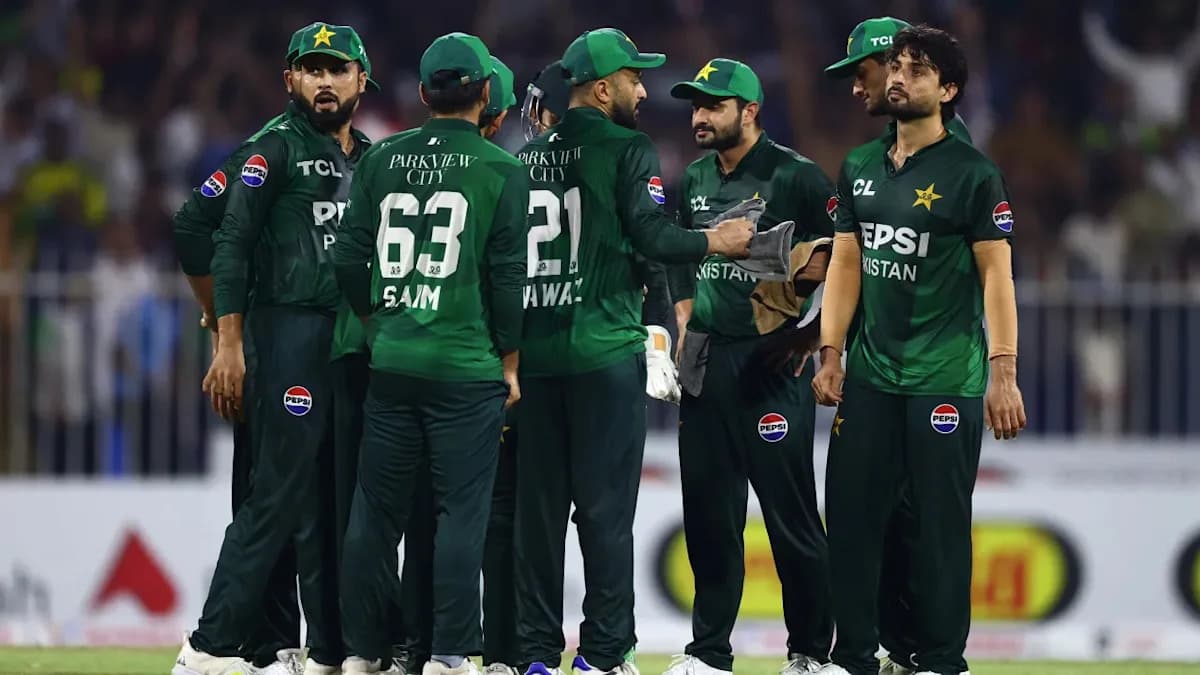
In the space of a few bleak weeks in England, Pakistan’s Test side were not just beaten, they were exposed. The batting folded, the bowling looked flat, and the body language told its own story. It was the kind of tour that forces a board to choose: double down or tear it up.
The Pakistan Cricket Board chose the latter.
Seven players were ordered home mid-tour in a sweeping cull. The clear-out did not stop with the dressing room either. Members of the coaching staff were removed, among them former captain Sarfaraz Ahmed and bowling coach Umar Gul, two high-profile casualties in a brutal reset.
This was not a quiet course correction. It was a public admission that something had gone badly wrong.
Naqvi fights back
Under fire from all sides, PCB chairman Mohsin Naqvi has stepped forward to defend both his decisions and his team. He accepts that Pakistan cricket is in a “difficult phase,” but rejects the idea that a poor tour signals total collapse.
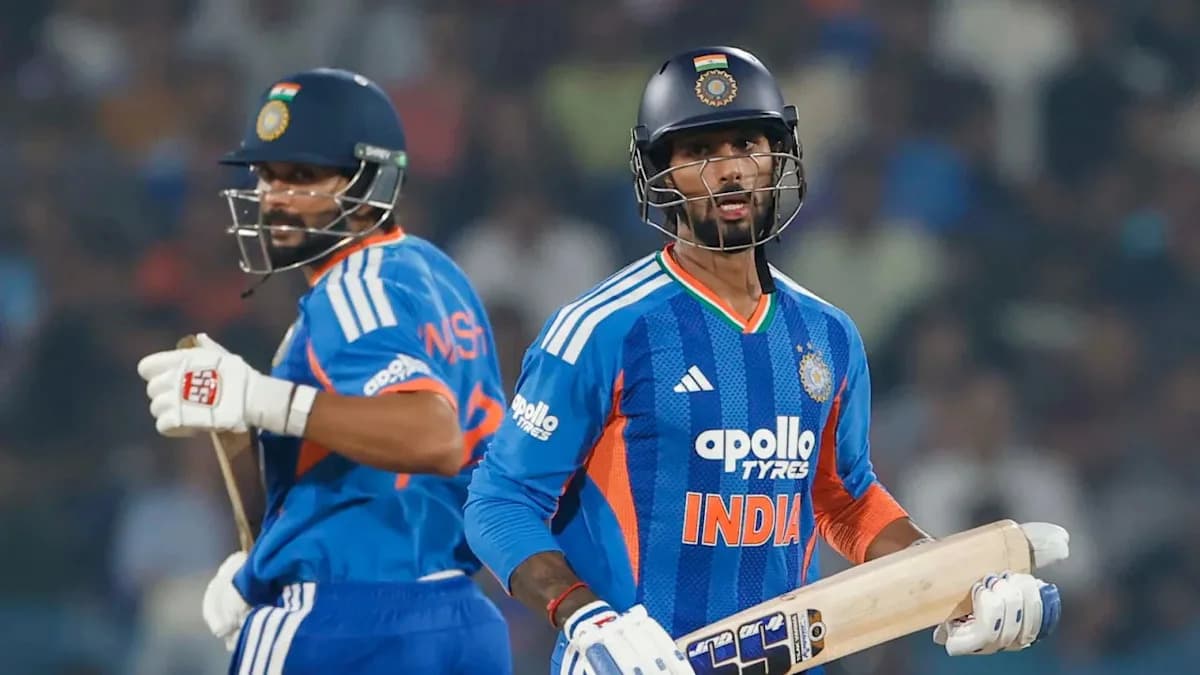
To make his point, he reached for global examples. South Africa’s defeat to Namibia. India’s shock loss to Ireland. Two heavyweight nations, two humbling results.
“Let me ask you one thing: South Africa lost to Namibia, and India lost to Ireland. Has cricket ended there as well?” Naqvi said in a video now circulating widely on social media. “Yes, one thing is important: whoever we need here, we will definitely bring in. If someone is not clicking or not performing, then what can we do? Every match and every series is important for us.”
The message was blunt. No one is safe, but no one is being targeted for the sake of it.
Agha Salman under the microscope
That stance is being tested most visibly in the case of Agha Salman. Once seen as a central piece of Pakistan’s middle order, he has struggled badly for form in recent outings. In a side already short on confidence, his lean patch has become a talking point.
Naqvi, though, chose to underline the player’s quality while making it clear that sentiment will not dictate selection.
“Agha is such a brilliant player, and yet he is not clicking at the moment for certain reasons. We are not telling him, ‘We asked you to go and rest’; we spoke to him and did everything. So, the objective is not to remove someone from the team. The objective is that if a player is not clicking, then we should make a change,” he said.
That is the tightrope Pakistan now walks: protecting talent, but not protecting places.
“Look at what the rankings were before”
Criticism of Naqvi has not been limited to selection calls. His entire tenure has come under attack, with some voices accusing him of presiding over a decline in standards. He pushed back hard, arguing that the storm around the Test side has obscured gains in white-ball cricket.
“Those who say cricket has been destroyed since I came - look at what the rankings were before we brought our coaching team,” Naqvi said. “We were eighth in ODIs and now we're fifth, in T20Is we jumped to sixth position from ninth.”
For him, the numbers matter. They are proof, he believes, that the current set-up has delivered progress in at least two formats, even if the red-ball results in England were grim.
“Yes, absolutely, what happened in the Test match cannot be termed wrong. We have lost these two matches, but I believe that, God willing, we will make progress in the coming days, just as we did in ODIs and T20Is. I have never been afraid of criticism, and I never will be,” he added.
So Pakistan stand at a familiar crossroads: bruised by a brutal tour, reshaped by a ruthless clear-out, and led by a chairman who insists the trajectory is still upward. The next series will show whether those rankings are a foundation to build on, or a brief high before the real slide begins.