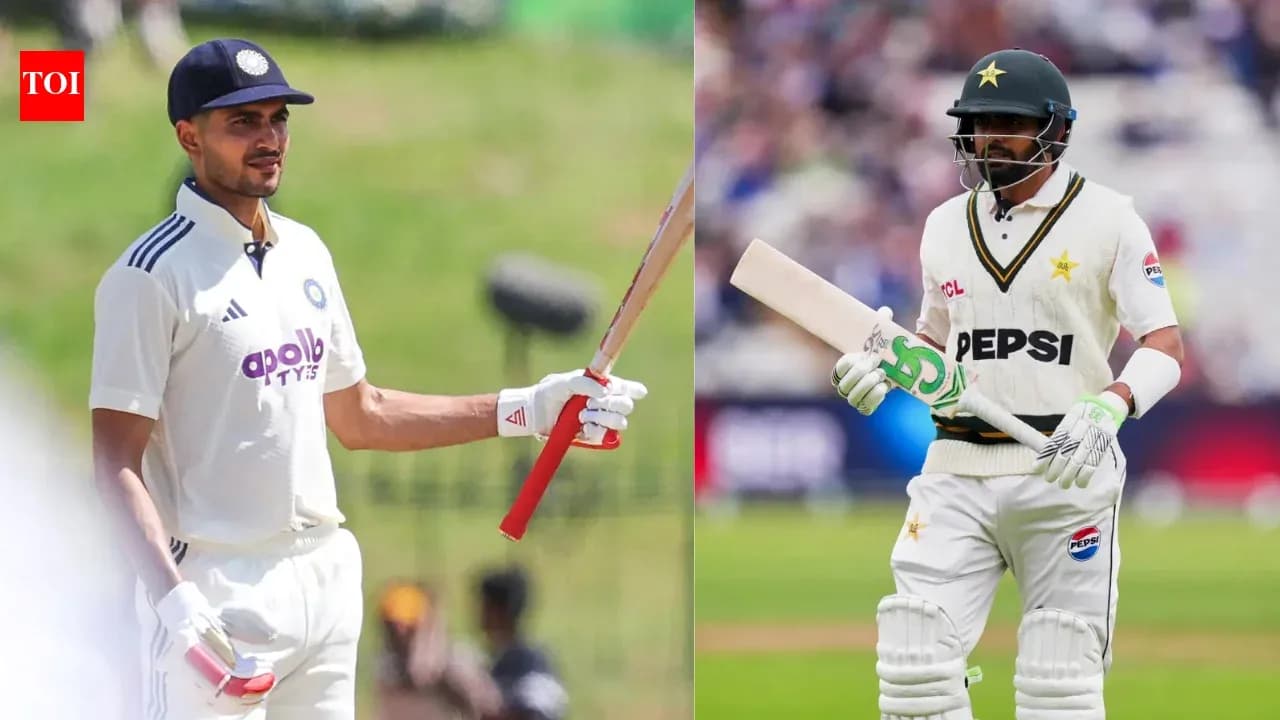
Pakistan's Batting Crisis Deepens as Gill Outshines Team
By the close at Edgbaston, Pakistan were not just behind England. They were chasing Shubman Gill.
After three bruising Tests of this series, Pakistan’s entire batting output stands at 743 runs. Gill, on his own, made 754 during India’s five-Test tour of England last year. One man, over a long, grinding campaign, has outscored an entire team that has burned through two full matches and one more innings.
It is a number that stings. And it tells the story of a batting unit in freefall.
Upheaval off the field, same chaos in the middle
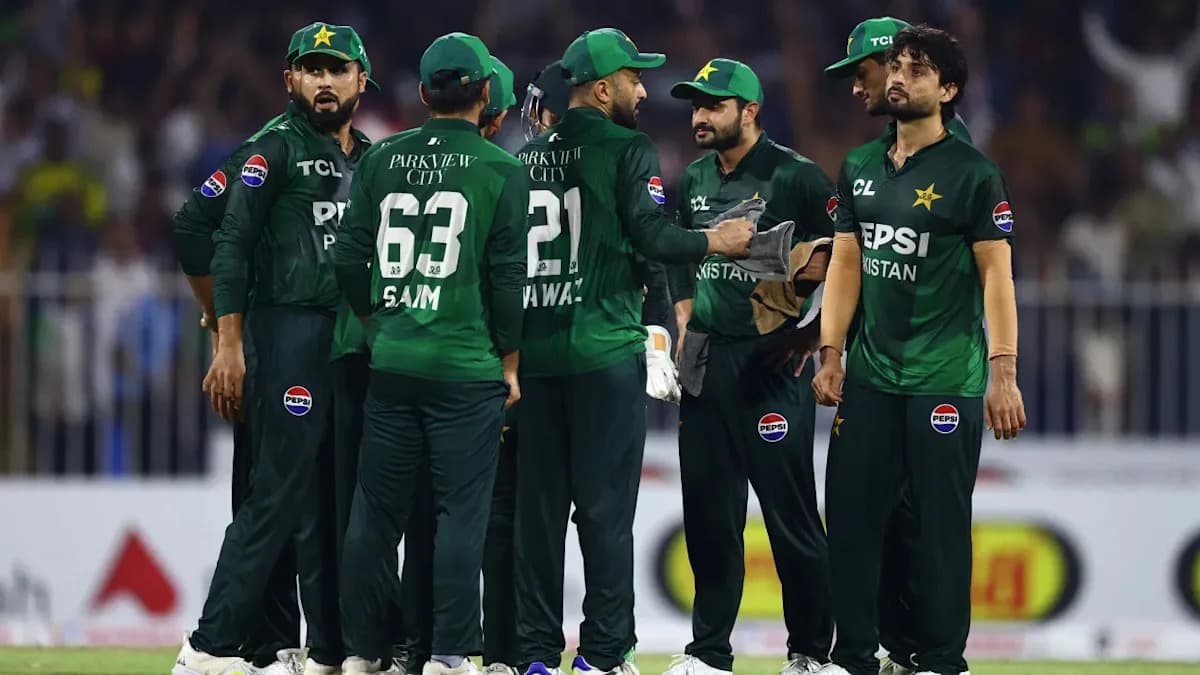
This latest collapse could hardly have come at a more volatile time for Pakistan cricket. Consecutive defeats at Headingley and Lord’s triggered a brutal reset. Seven players jettisoned from the squad. Coaching staff sacked. A clear-out sold as a fresh start.
At the toss, Babar Azam tried to project calm. Asked how hard it had been to steer Pakistan through the turmoil, he brushed it aside. “Not difficult. Yes, after that we had a couple of changes, but I think a good opportunity to new boys, and yes we are trying to do our best in this match,” he said, framing the upheaval as a chance rather than a crisis.
Within a session, that optimism looked hollow.
Put in to bat, Pakistan folded again, bundled out for 133. New faces, same old script.
Robinson hits a landmark as top order unravels
Ollie Robinson, operating with relentless discipline, struck the first blow. Saim Ayub, recalled to open, lasted just four balls before he was trapped lbw for a duck. Robinson had his 100th Test wicket; Pakistan had lost their first batter without scoring.
Jofra Archer then tore into the newcomers. Debutant Azan Awais edged behind, another early experiment cut short. Abdullah Shafique followed, undone by Robinson, and the top order was in pieces.
Shan Masood, entrusted with experience and authority in this remodelled side, fell to a stroke that summed up Pakistan’s muddled mindset. A loose, cross-bat swipe, a catch at mid-wicket off Archer, and another senior player was walking back shaking his head.
The pressure kept coming. Josh Tongue took over and ripped through the heart of the innings. He removed Babar Azam, then knocked over debutants Ghazi Ghori and Imran Randhawa before lunch. By the interval, Pakistan were not just wobbling; they were crumbling.
Razaullah Khan’s dismissal for 11 in the afternoon only deepened the mess.
Shakeel stands alone as England seamers feast
Once again, Saud Shakeel was left to hold together a broken innings. He had fought for 97 in the defeat at Lord’s, and here he resisted again, working his way to 43 while wickets fell around him.
He looked the only Pakistan batter capable of absorbing pressure and making England work. Then Tongue produced a sharp inswinger that crashed through him. With Shakeel gone, any lingering hope of respectability vanished.
The figures told their own story. Archer, hostile and incisive, finished with 3-25. Robinson, miserly and precise, returned 3-15 from 11 overs. Tongue, the chief destroyer, claimed 4-42. Pakistan, all out for 133, had once more failed to bat even halfway through a day.
England tighten the screw
England did not have it all their own way with the bat, but they did enough to seize control.
Ben Duckett fell early for 11, nicking off to Mohammad Ali. Jordan Cox followed for four, undone by Mohammad Abbas. A brief opening appeared for Pakistan’s bowlers.
They could not prise it wider.
Emilio Gay and Harry Brook steadied England and then pushed them forward, both compiling composed fifties that shifted the match firmly in the hosts’ favour. They played with a freedom and certainty that has been almost entirely absent from Pakistan’s top order.
Joe Root’s lbw dismissal – his 10th in 13 innings – was a rare bright moment for the visitors, yet even that came with England already moving ahead. By stumps, the hosts were 156-4, a lead of 23 and all the momentum.
Robinson’s day, already gilded by his 100th wicket, gained another layer of distinction. His Test bowling average now sits at 19.1, the best among post-war bowlers with more than 100 dismissals. He has become the kind of seamer Pakistan so desperately lack right now: consistent, ruthless, unrelenting.
A brutal comparison Pakistan cannot escape
Across three Tests, Pakistan’s batters have mustered 743 runs. That total now sits in the shadow of Gill’s 754 from last summer, a lone campaign that showcased control, adaptability and sheer weight of runs.
Gill built his tally over five matches, against the same opposition, in the same conditions. Pakistan, as a collective, have needed two complete Tests and another innings just to get within 11 runs of him.
The comparison is not a quirky statistic. It is an indictment.
It exposes the gulf between individual excellence and a batting group that cannot string together partnerships, cannot ride out new-ball spells, cannot turn starts into something substantial. Personnel have changed. Coaches have gone. The pattern has not.
Edgbaston was supposed to mark a new chapter after the clear-out. Instead, it felt like the same story, written in bolder ink.
How much longer can Pakistan live with numbers like these?