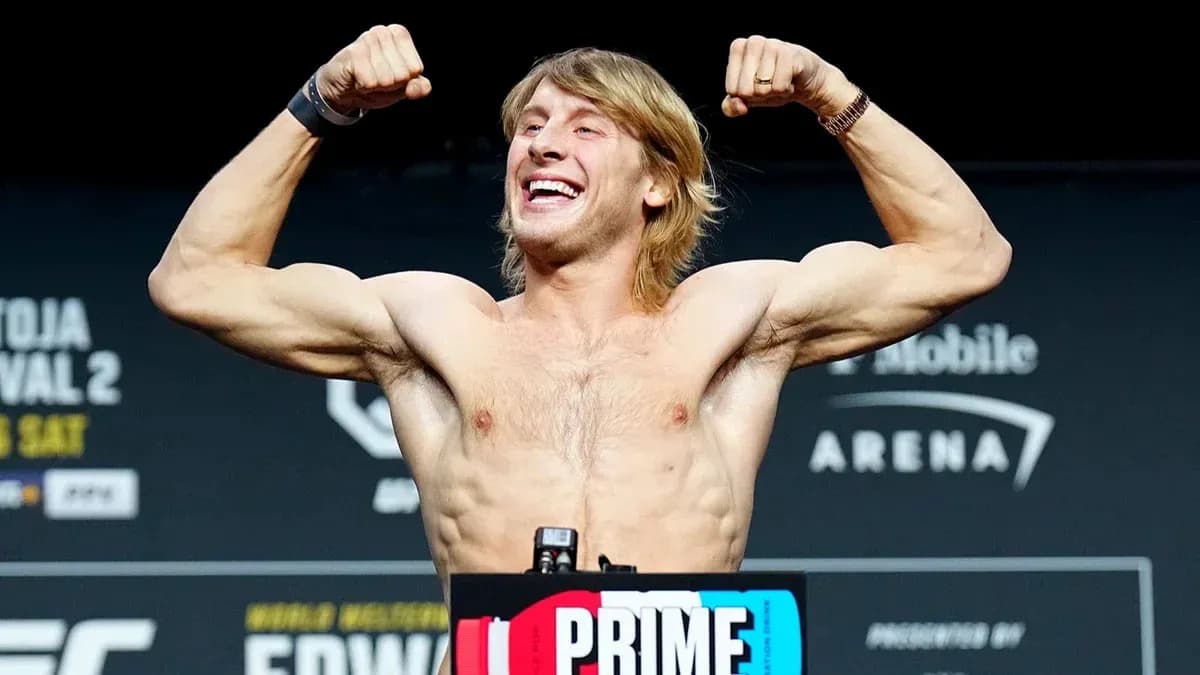
Paddy Pimblett: The Must-Watch Fighter Redefining UFC
Paddy Pimblett walked into the UFC with noise already swirling around him. Nineteen fights on the regional circuit, championship rounds under his belt, and a following that treated him less like a prospect and more like a cult hero. By the time he hit the octagon, “The Baddy” wasn’t learning on the job. He was stepping onto a bigger stage he’d been chasing for years.
What he brought was obvious: chaos, finishes, and a refusal to coast. He fights like he’s allergic to the judges’ scorecards, and that alone makes him valuable in a sport built on moments, not margins. But Dana White sees more than just another action fighter on the roster.
For the UFC president, Pimblett’s defining night didn’t come with his hand raised. It came in defeat, against Justin Gaethje.
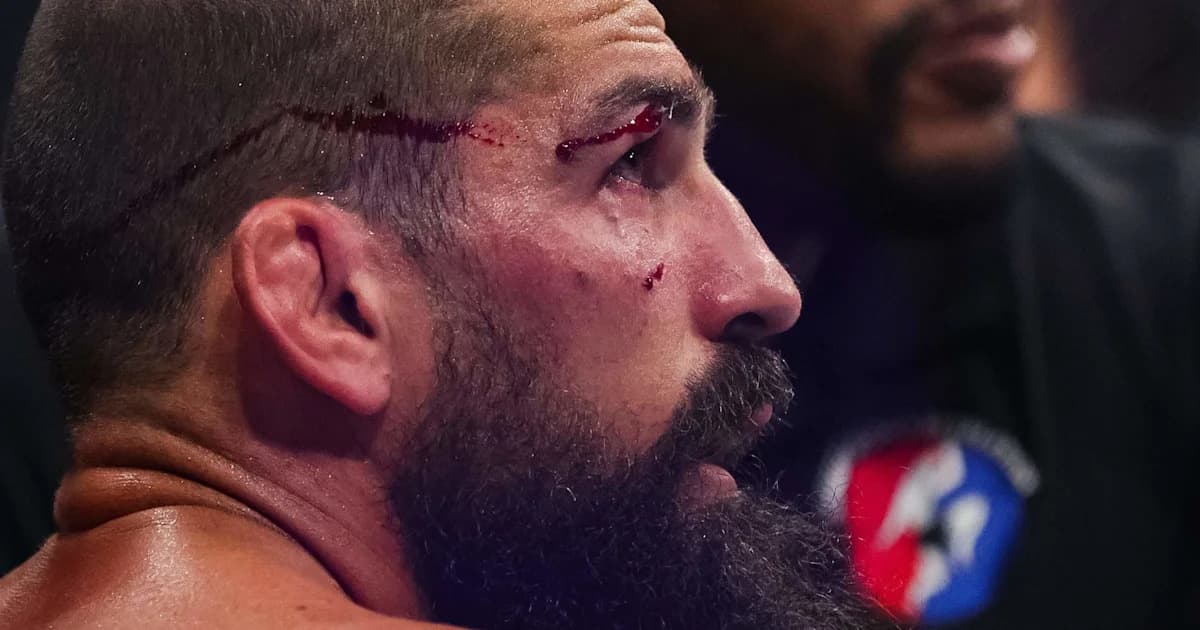
“In that fight too, Paddy Pimblett gained more followers in that loss than in his last win, which was incredibly spectacular,” White said. “Because people realize what a dog—and how tough—he really was. And what a chin he has.”
The numbers backed up the feeling. A defeat that should have stalled momentum did the opposite. Fans didn’t turn away; they signed up. They saw a fighter willing to bite down and trade with one of the most violent men in the sport, and they stayed.
For White, that reaction wasn’t a surprise. It was the very blueprint he brought into the UFC when he and his partners took over the promotion. He’d seen the model before, in boxing, in the blood-and-guts career of Arturo Gatti.
“This was sort of my philosophy going into the UFC business when we bought it,” White explained. “I noticed that Arturo Gatti kept signing HBO deals even when he lost. You know why? Because when we stay home on Saturday night, there's a lot of things. Forget the cost of the fight, right? The pay-per-view or whatever it was back in the day. More importantly, you guys have sh*t to do on Saturdays, right? You got to take your girl out. You got to take your kids. You've got things.”
That’s the calculation at the heart of fight promotion. You’re not just asking fans to spend money. You’re asking them to surrender their Saturday night. To skip dinner, delay plans, or build the evening around one event. That kind of investment demands a guarantee.
Arturo Gatti offered that guarantee. Win or lose, he emptied himself. He turned every outing into a brawl you remembered.
“To invest a Saturday night is a big deal,” White said. “And when you invested a Saturday night in an Arturo Gatti fight, you were never disappointed when you turned the TV off. People want to see guys f***ing go to war.”
In White’s eyes, Pimblett fits that lineage. Not because their styles are identical, but because the promise feels the same: if he’s on the card, something is going to happen. He might get hurt. He might rally. He might finish or get finished. But he won’t drift through a safe, forgettable 15 minutes.
That’s why the Gaethje fight mattered so much. It stripped away the hype, the haircut, the walkouts, and left only the question that defines every real draw in combat sports: when it gets ugly, does he stay?
Pimblett stayed. And in doing so, he stepped into the category every promoter covets most—must-watch, no-matter-what television.