Nigar Sultana Steps Down as Bangladesh T20I Captain After Asian Games
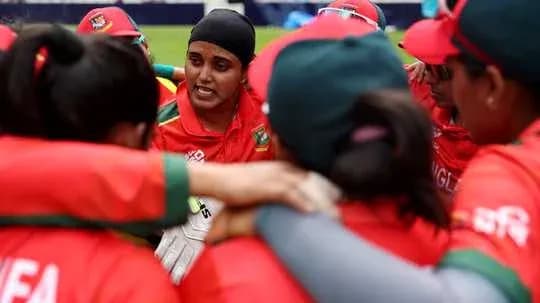
Nigar Sultana, the face of Bangladesh’s recent surge in women’s cricket, has decided to step away from the T20I captaincy after the Asian Games, choosing to strip the role back to its basics: bat, gloves, and responsibility in just one format.
The wicketkeeper-batter has already informed the Bangladesh Cricket Board of her decision, with BCB president Tamim Iqbal accepting the move. Nigar formalised it in a letter sent from Japan on Tuesday (September 15), confirming that she will continue to lead the ODI side while giving up the 20-over captaincy to concentrate on her core skills.
It marks the end of a compact but eventful chapter. Nigar took over as T20I captain in 2022 and walked straight into a period of expectation. Bangladesh wanted results, and they wanted a leader who could drag them into big tournaments with belief rather than hope.
There were moments when she did exactly that.
At the 2024 T20 World Cup, Bangladesh finally broke a decade-long drought, beating Scotland to secure their first World Cup win in ten years. It was more than just a tick in the results column. It felt like a release. Nigar stood at the centre of it, not just as captain but as one of the side’s most reliable performers.
She scored 104 runs in four innings at that tournament and backed it up with sharp work behind the stumps, effecting seven dismissals. For a side often accused of lacking cutting edge in big events, those numbers mattered. They gave Bangladesh something solid to build around.
The story of her T20I captaincy, though, has never been a simple rise.
Bangladesh stormed through the World Cup qualifiers earlier in 2026, finishing as unbeaten champions and briefly looking like a side ready to make a sustained leap. The performances in that campaign strengthened Nigar’s credentials as a leader who could manage pressure and coax consistent performances out of a developing squad.
Then came the stumbles.
A 2-1 home series defeat to Sri Lanka cut through the optimism. The Scotland-Netherlands tri-series offered no clear answers either, delivering mixed results and a nagging sense that Bangladesh were still searching for a settled identity in the format. Two wins from five matches at the World Cup only intensified the questions around tactics, selection, and long-term direction.
Under that glare, every decision from the captain’s chair felt heavier.
Nigar’s choice to step down now reads less like a retreat and more like a recalibration. By shedding the T20I armband while holding on to the ODI captaincy, she is betting on a leaner workload to unlock more from her batting and wicketkeeping, the very skills that first pushed her into leadership conversations.
For Bangladesh, the move opens up a new contest. Someone else will inherit a T20I side that has tasted both the sharpness of qualifying dominance and the frustration of inconsistency on the biggest stage. The next captain will not be starting from scratch, but from a platform Nigar helped build.
Her ODI leadership continues. Her presence behind the stumps remains. Her runs are still central to Bangladesh’s plans.
The question now is simple and sharp: can a lighter burden in T20Is turn Nigar Sultana from a captain who carried the load into a specialist who changes games even more decisively?