.svg&w=384&q=75 "logo")
New York Knicks' Center Search: Chris Boucher as a Potential Fit
The New York Knicks are down a big man and running out of time.
Ariel Hukporti is gone. Jonas Valanciunas slipped away. Their offer sheet for Moussa Cisse? Matched by the Dallas Mavericks. Training camp is closing in, and the search for a third-string center has gone from background detail to a live roster question.
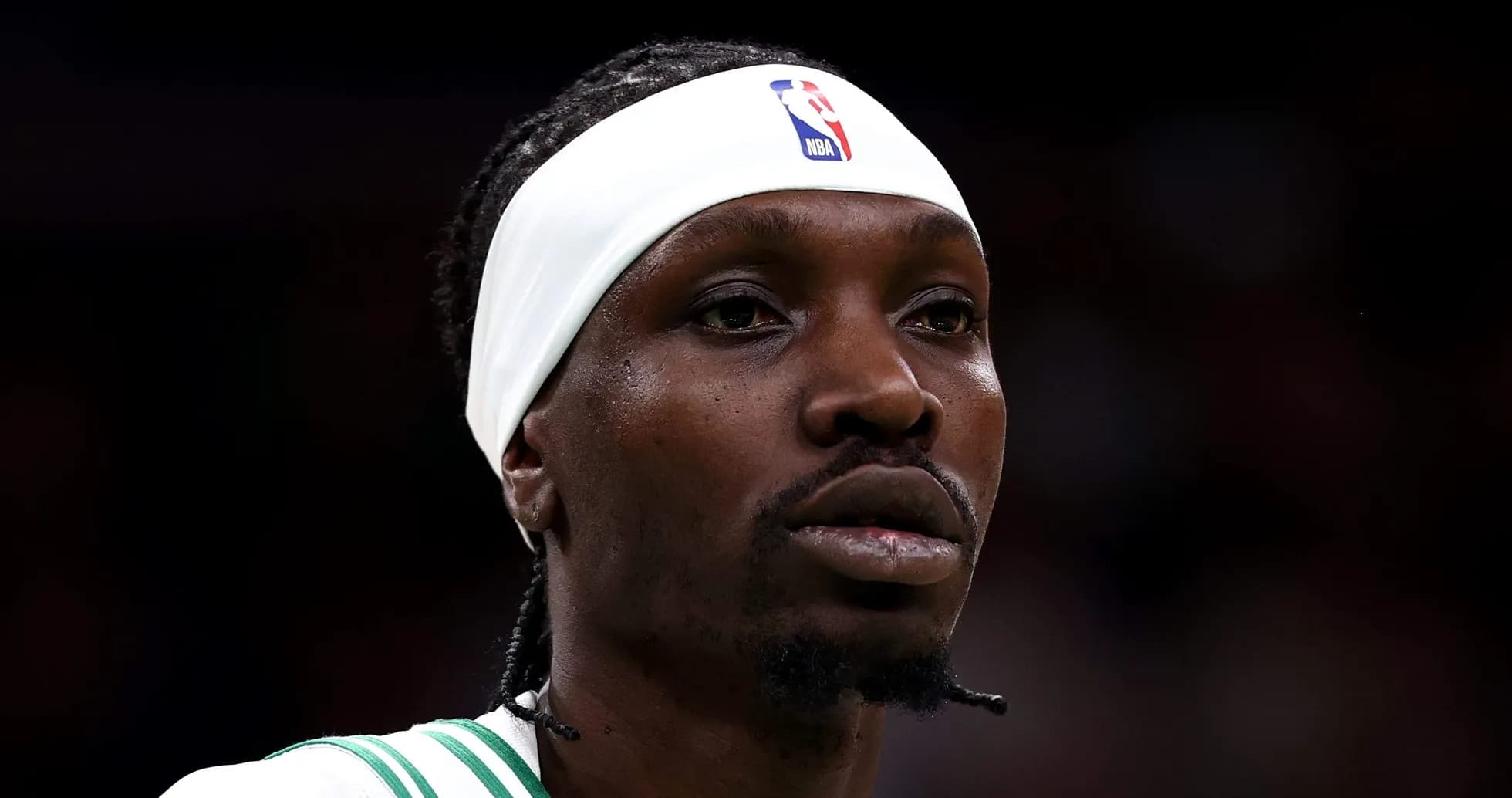
So the Knicks have eased off the aggressive swings and started scanning the market with a little more caution. One name, raised by Joseph Randazzo of Knicks on SI, jumps out as a logical, if unspectacular, solution: Chris Boucher.
A Veteran With Rings and Range
At 33, Boucher is not a project and not a mystery. He is what he is: a long, bouncy big who can slide across the frontcourt, stretch the floor, and offer some weak-side rim protection. For a team with serious postseason ambitions, that profile matters.
“The Knicks likely consider some inexpensive options to fill out their depth at the center position. Chris Boucher may be an intriguing choice for them in their search,” Randazzo wrote, pointing directly at the blend of cost and experience that makes Boucher appealing.
He’s been around winning. Boucher held minor roles during the 2018–19 Golden State Warriors’ run and the 2019–20 Toronto Raptors’ title defense. He wasn’t a headliner, but he lived inside those environments — the daily grind, the playoff adjustments, the pressure that comes with a locker room expecting June basketball.
Drop that kind of veteran into the end of a rotation, and the fit is easy to imagine. He can play next to a true center, survive in smaller lineups, and space the floor enough to keep the lane clear for New York’s ball-handlers. When he’s right, he can knock down threes and fly in from the weak side to contest at the rim.
A Rough Year, and a Point to Prove
The appeal comes with a warning label. Boucher is not riding a wave of momentum into free agency.
Last season unraveled on him. He split time between the Boston Celtics and Utah Jazz and never found a rhythm in either jersey. For Joe Mazzulla’s Celtics, he appeared in only nine games, averaging 2.3 points and 2 rebounds. The shooting numbers told the story: 32% from the field, just 13.3% from beyond the arc. Those are the kind of numbers that get you moved on from quickly.
Boston sent him to Utah. The Jazz waived him. From there, he watched the rest of the season from the outside looking in.
That’s the version of Boucher teams are evaluating now: a veteran who has seen his role shrink, his shot betray him, and his place in the league slip into question. But that also makes him dangerous in the right way. Give a player with his résumé and his tools a clearly defined role off the bench, and there’s every reason to think he could punch above “third-string” expectations.
New York wouldn’t be asking him to save games. They’d be asking him to survive minutes, bring energy, protect the rim, and hit just enough shots to keep defenses honest. His history on championship-level teams suggests he’d slide into Tom Thibodeau’s demanding culture and the Knicks’ locker room without friction.
Other Paths on the Board
Boucher, though, is only one card in a thick deck.
The free-agent market still holds multiple big men who could fill that third-center slot. There are also trade options — attainable, rotational bigs who might shake loose for the right price if front offices start reshaping rosters closer to camp or early in the season.
New York could kick the tires on Boucher and decide the fit isn’t right. They might prefer a more traditional rim-running 5, a younger developmental piece, or a sturdier rebounder. They might decide the shooting variance and recent struggles are too much risk, even for a depth role.
There’s another option: do nothing. At least for now.
The Knicks could roll into the season with just two bigs in the regular rotation and keep that third spot fluid. Injuries, waivers, and trade requests reshape the league every month. A veteran might get cut in November. A young center might become available in a multi-team deal. A player buried on someone else’s bench might finally push for a move.
New York’s front office has time and flexibility, two things that don’t often coexist for a contender. That makes patience a real strategy, not a default.
Boucher is a live possibility, not a mandate. He offers length, experience, and a chance at low-cost upside in a role that rarely decides a season but often matters in the margins.
The Knicks know exactly where they want to be next spring. The question now is simple: who gets that last frontcourt seat on the bus, and will they be ready when their number is finally called?