NBA's Major Punishments: Clippers Sanctioned and Lakers Sale Drama
NEW YORK — Adam Silver did not leave much room for interpretation.
The NBA commissioner called the league’s sweeping punishment of the Los Angeles Clippers “final,” framed it as a warning shot to the rest of the league, and made clear that in his view, the integrity of the competition demanded nothing less.
Five first-round picks gone. A $30 million fine. A one-year suspension for owner Steve Ballmer from all league and team activities. Two executives banned. Kawhi Leonard hit with a $700,000 fine. The message from midtown Manhattan, as the Board of Governors wrapped a two-day meeting ahead of the NBA’s 81st season, rang loud enough for all 30 franchises.
The league ruled that the Clippers “knowingly” tried to help Leonard secure off-court income opportunities, a move that ran afoul of the salary-cap rules and triggered one of the most severe sanctions in recent NBA history.
Silver admitted the decision wasn’t simple.
“We still want to be a 30-team league, and we recognize that, in some ways, we're unfortunately punishing the fans of that team as well. And so that's the balance we're trying to seek,” he said. But he stressed there had to be “competitive consequences” when a team crosses the line. Deterrence, not symbolism.
“The ultimate goal, in terms of these type of sanctions, are to ensure that other teams don't have to engage in this type of behavior, in the future, so there has to be something beyond suspensions and financial consequences, and that has to be to regulate competition,” Silver added.
Ballmer has already apologized to Clippers fans and said he will not contest the penalties. The franchise, stripped of draft capital and its owner exiled for a year, now has to rebuild trust while still trying to compete in a ruthless Western Conference.
All of this played out against the backdrop of a blockbuster trade that reshaped the Clippers’ future. On June 30, Los Angeles sent Leonard back to the Toronto Raptors — where he delivered a title in 2019 — in a deal for Brandon Ingram, Gradey Dick, two unprotected first-round picks, a first-round pick swap, and two second-rounders. The trade had been sitting in limbo at the team’s discretion while the league finished its investigation. Once the hammer fell, the Clippers moved on from their star and into a far more uncertain era.
Leonard and the suspended executives were not present at this week’s meetings. Their absence, like the penalties themselves, underlined how sharply the league chose to draw the line.
Lakers sale turns messy
On the other side of Los Angeles, the drama looks very different but no less significant.
Silver also addressed the brewing storm around the Los Angeles Lakers, a franchise now at the center of a record-setting sale and an internal family fight. Los Angeles Dodgers co-owner and TWG Global CEO Mark Walter has agreed to sell the Lakers for $12.5 billion to businessman Josh Kushner and former Disney CEO Bob Iger, a staggering figure even in a league accustomed to soaring valuations.
Jeanie Buss, the Lakers’ controlling owner, is challenging the move. She argues her five siblings do not have the authority to sell the family’s remaining 17.8% stake. With more than 15% ownership herself, Buss retains the role of team governor and, with it, a powerful voice in how this plays out.
Complicating matters, Walter is under federal scrutiny. Prosecutors are investigating potential financial improprieties at two insurance companies he controlled. Silver said the league did not know Walter planned to sell until prospective buyers with a handshake agreement contacted the NBA.
He was clear on one point: when Walter originally bought into the Lakers in October 2025, the league’s vetting process raised no alarms.
“Even to this day, as you know, these are allegations,” Silver said. “There are issues that are now being looked into, but independent of Mark Walter choosing to sell this team right now, he was not being investigated by our league.”
So the NBA now watches one of its flagship franchises navigate a legal and familial tug-of-war, while a record sale figure hints at just how valuable its biggest brands have become.
Expansion, arenas, and a restless map
The Clippers’ punishment and the Lakers’ sale framed the day, but Silver also leaned into the league’s long-term map.
Las Vegas. Seattle. Portland. Three cities, three very different questions.
The commissioner reiterated what has been clear for some time: the NBA will not rush expansion, but the interest is real, and the groundwork is already being laid. The league has not added a team since the Charlotte Bobcats joined in 2004, bringing the total to 30. A decade later, they reclaimed the Hornets name. Since then, the league has grown in revenue, reach, and relevance — but not in headcount.
There is still no timetable for adding new franchises. That hasn’t cooled the speculation around Las Vegas and Seattle.
Silver said the next round of bids for those markets is “coming in shortly.” On Las Vegas, he pointed to two distinct visions: an upgraded T-Mobile Arena or something even more ambitious.
“I think that there is real excitement around either, you know, a renovated T-Mobile Arena,” he said. “I think it still needs some significant improvements, but at the same time, there are groups who have presented plans to go, what I would call, you know, a modern entertainment palace in Las Vegas, and it's a unique market.”
Seattle, still aching from the loss of the SuperSonics, remains in the conversation, though Silver did not dive into specifics on the city’s bid this time. The implication was clear enough: the league sees opportunity, but it wants the right buildings, the right ownership groups, and the right timing.
Portland sits in a more precarious place.
The Trail Blazers’ future in the city hinges on an arena solution that has dragged on for years. The Moda Center opened in 1995 and now ranks among the league’s least impressive venues. Owner Thomas Dundon is locked in a drawn-out effort to secure a deal with local and state officials.
Silver did not mince words. The Blazers need a new arena.
He called a potential relocation a “failure” and stressed that the priority is making Portland a viable, modern NBA market for the long term.
“It is important, at the same time, that Tom Dundon reaches a deal with the city officials and the state elected officials that makes operating important and viable for the long term. So that's what we're focused on,” Silver said.
The subtext: the league wants Portland to work. But patience is not infinite, and the building is no longer good enough.
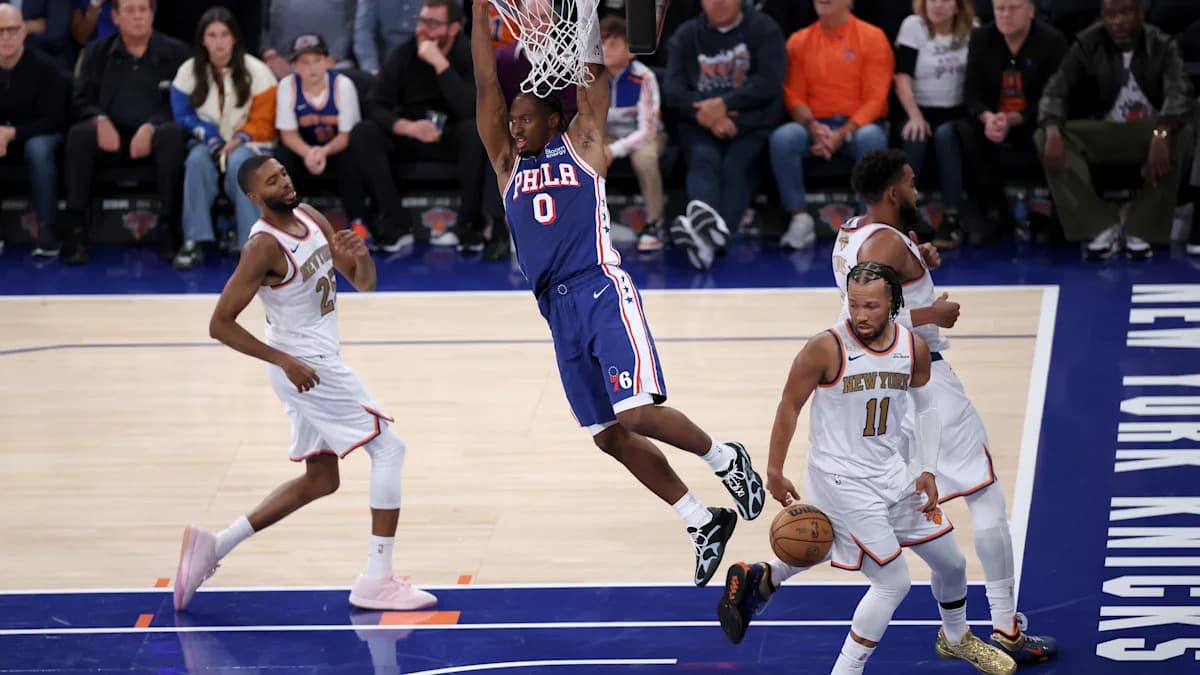
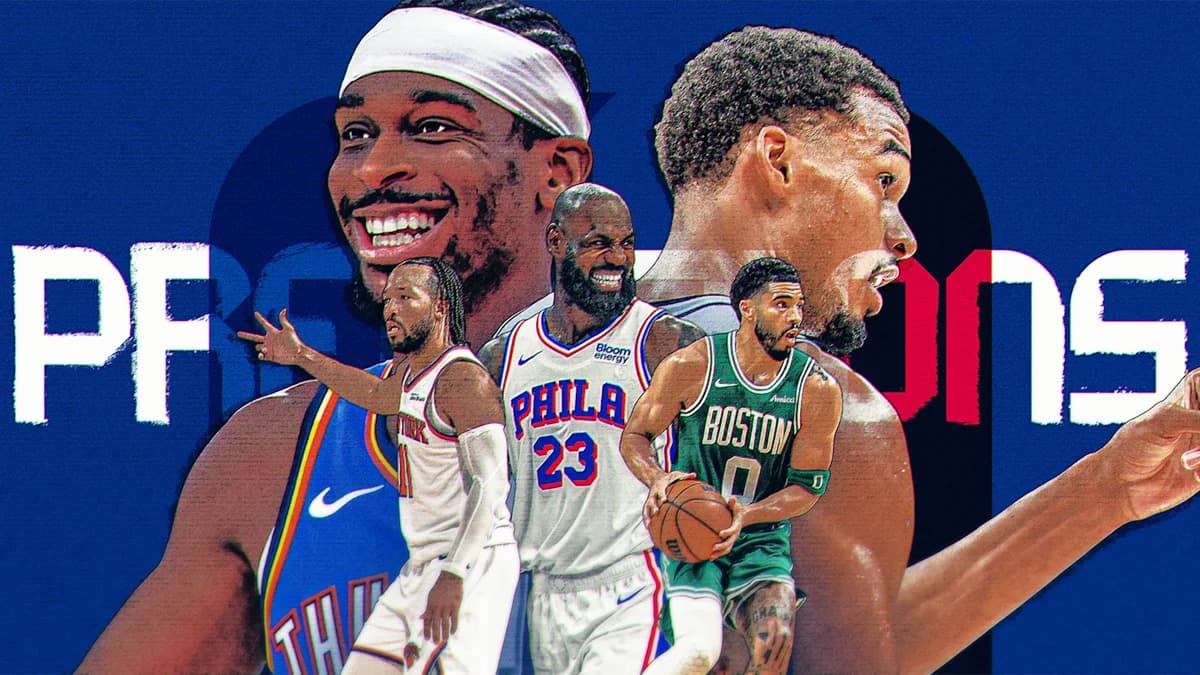
As the NBA barrels toward its 81st season — with the New York Knicks opening their title defense against the Philadelphia 76ers on Oct. 20 — the league sits at a crossroads. One franchise hammered for breaking the rules. Another engulfed in a record-setting sale and a family dispute. Two cities lining up for a shot at expansion. One proud market fighting to stay in the game.
The rules are tightening. The money is exploding. The map may soon change.
The question now is which owners, and which cities, can keep up.