Mixed Martial Arts Aims for Olympic Inclusion in Nagoya
NAGOYA — Once derided in the United States as “human cockfighting” and shunted to the sporting fringes, Mixed Martial Arts has stepped into the light in Japan this week with a clear target in its sights: the Olympic Games.
The sport, better known as MMA, is making its Asian Games debut in Nagoya, a breakthrough its leaders see as a crucial rung on the ladder to the biggest stage of all.
“Inclusion in the continental games is critical,” said Galastein Tan, director general of the Federation of International Mixed Martial Arts, as fighters warmed up nearby. For him, simply being here signals something fundamental: that the sport has structure, scale and seriousness.
“Obviously the inclusion means that you already have a good governance structure, you have enough members, athletes to be able to compete, your ruleset, your officials are ready and therefore it is a significant one,” he said.
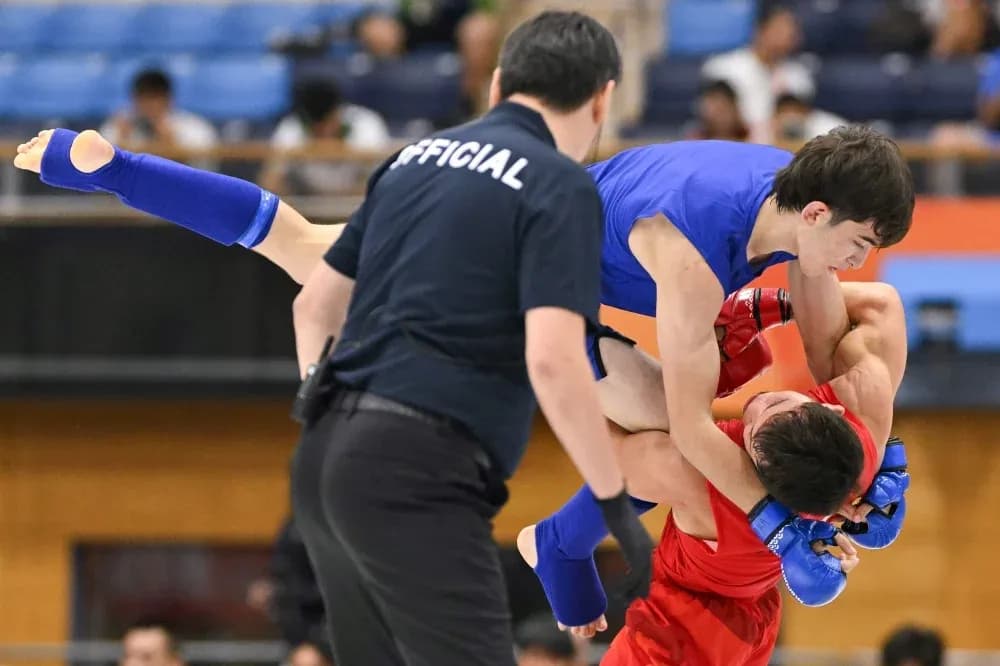
Inside a compact gym that feels more like a school sports hall than a grand arena, men and women trade strikes and takedowns in separate divisions. The crowd is modest, but loud. Every clean connection, every scramble on the mat, draws a roar.
The flags tell their own story. Thailand. Kazakhstan. The Philippines. Japan. Nations steeped in Muay Thai, wrestling, boxing, judo and karate now channelling those traditions into a single, hybrid sport.
From the cage to the mat
Fans raised on the Ultimate Fighting Championship might do a double-take.
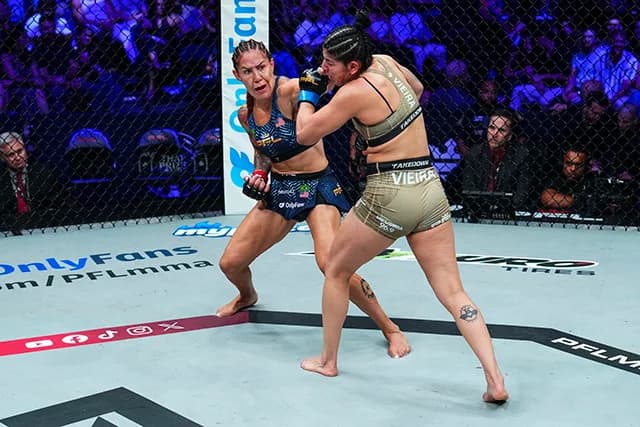
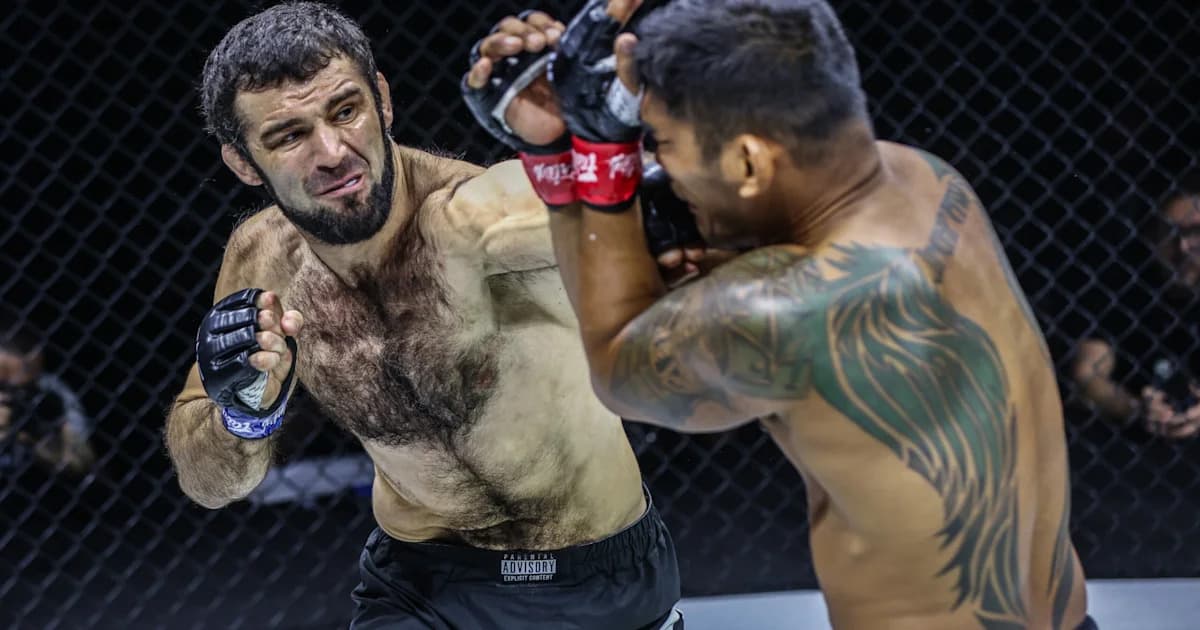
The UFC has built a global empire around its caged octagon — a metal fence enclosing the action, a symbol as much as a safety measure. In June, it even staged a card on the South Lawn of the White House, a long way from the days when US senator John McCain compared the sport to cockfighting.
Here in Nagoya, there is no cage. No fence. Just a white and grey mat, ringed by officials and coaches.
For athletes used to working off the cage, pinning opponents and wall-walking back to their feet, the change is more than cosmetic. It alters tactics, rhythm, escape routes.
A cage, Tan noted, “does not really align with Olympic values”. That single detail captures the balancing act at the heart of MMA’s Olympic push: keep the essence, lose the excess.
The bigger challenge sits on paper, not canvas. To reach the Olympics, MMA must present a unified face — one rulebook, one set of allowable techniques, one global authority. In a sport built on variety, that is no small ask.
A pathway for the next generation
For Singapore’s Teo Hui Hoon, already assured of at least a silver medal this week, the significance runs deeper than governance and guidelines.
“I think it will grow the talent pool a lot,” she said, looking beyond her own bout. Recognition at the Asian Games, and one day perhaps at the Olympics, changes how young athletes and their parents view the sport.
“It will encourage more children and teenagers to take up the sport and take it seriously,” she added. “Because now there’s a clear pathway, right? You can join a national team, the next step you can go to the Olympics.”
That word — pathway — is the one every emerging sport chases. It turns weekend hobbyists into full-time prospects, and transforms small gyms into national training centres.
A crowded race to the Games
MMA is not alone in Nagoya in dreaming of the Olympic rings.
Teqball, a quirky, eye-catching blend of football and table tennis, is also making its Asian Games bow. So is padel, the fast-rising racquet sport that has swept across parts of Europe and the Middle East and is now pushing into Asia.
They all want the same thing. A place on a programme that has limited space and no shortage of suitors.
For MMA, the road is long and political. Tan says the sport’s leaders have already opened channels with the International Olympic Committee and “other relevant stakeholders that have influence or decision on the recognition”.
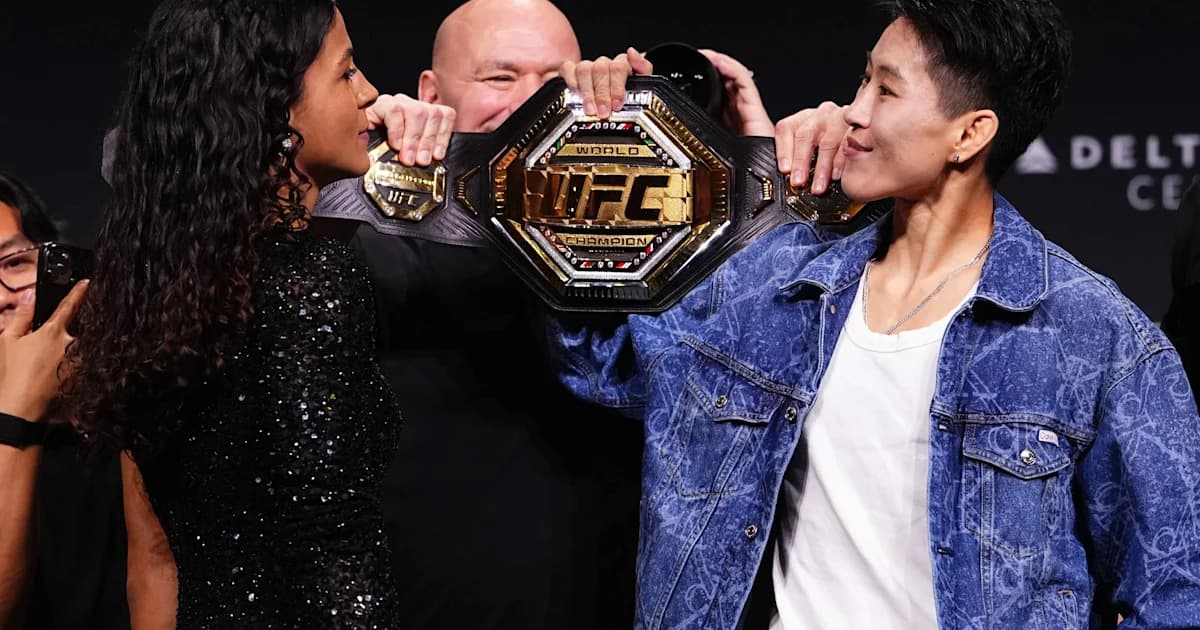
The sport also has a powerful ally in Dana White. The UFC chief, whose promotion has driven MMA into the mainstream, is openly backing the Olympic bid. His support brings clout, but it also sharpens one of the sport’s image problems.
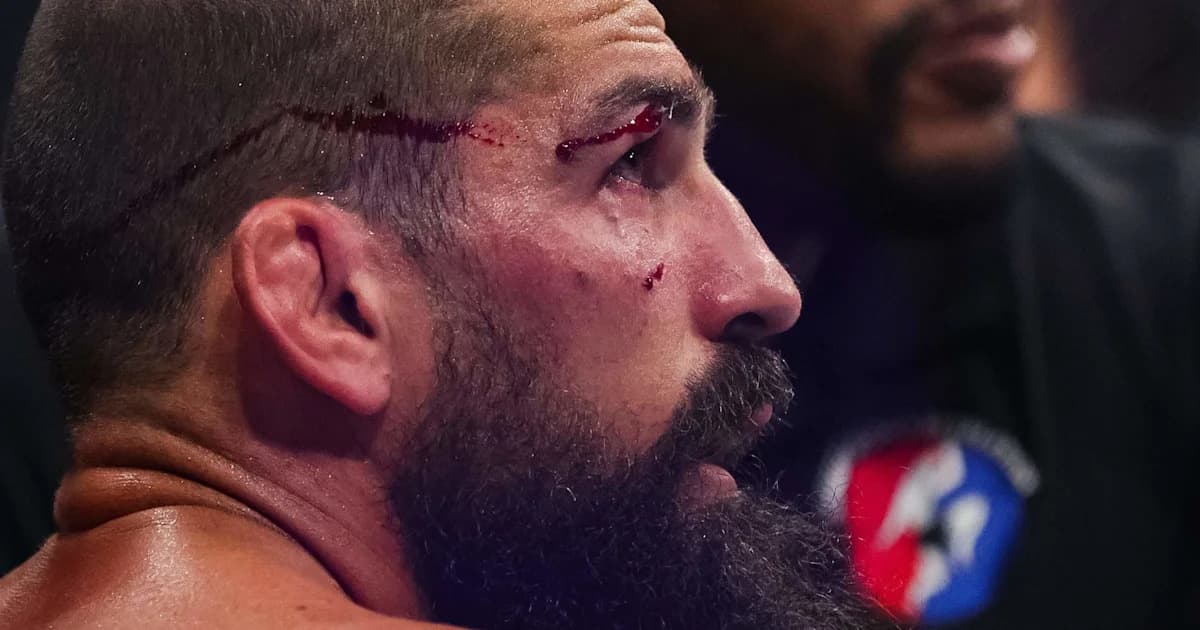
To some, MMA remains too brutal. The blood, the knockouts, the highlight-reel finishes that sell pay-per-views can jar with the Olympic movement’s carefully curated brand.
Tan knows the perception lingers. Yet he also knows the landscape has shifted dramatically since the 1990s, when McCain’s “human cockfighting” line helped push early MMA events out of the mainstream and into regulatory limbo.
Today, the sport is sanctioned, regulated and televised around the world. Medical standards have tightened. Rules have evolved. What once shocked is now Saturday-night programming.
One sport, one voice
If MMA is to cross the final threshold, unity may matter as much as image.
The sport remains fragmented, with multiple organisations, promotions and federations all staking a claim. For the IOC, a single recognised governing body is non-negotiable. Without it, there is no Olympic slot, no matter how many fans tune in or how many countries field teams.
“Getting the whole of MMA to coalesce around one governing body” is essential, Tan acknowledged.
Time is not on their side for the next Games. Los Angeles 2028 is widely seen as out of reach. Brisbane 2032 offers a more realistic target, but even that will demand years of lobbying, compromise and alignment.
Tan refuses to rule anything out.
“Nothing is impossible,” he said. His hope is that the IOC sees a sport that speaks to both adults and youth, that fits into a packed schedule and pulls in global audiences.
“(It is) a sport which has global appeal and a sport that is ready and capable of fitting into a major Games schedule,” he said. “So if the IOC or LA28 comes and say, MMA, would you like to be in as a medal sport or demo sport, we are ready.”
For now, the fighters in Nagoya are not thinking about Brisbane or boardrooms in Lausanne. They are thinking about the next bout, the next exchange, the next chance to impress.
But every punch, every takedown and every medal here feeds a bigger argument — that a sport once kept outside the fence now belongs at the very heart of the Olympic arena.