.svg&w=384&q=75 "logo")
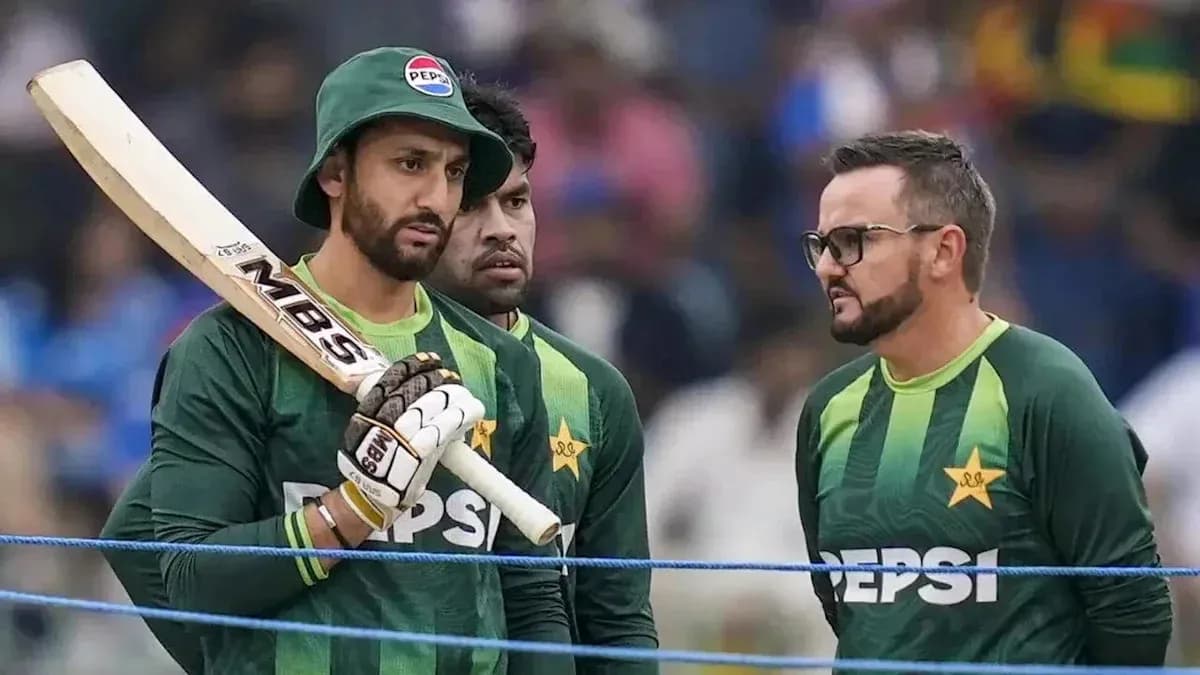
Mike Hesson Addresses Pakistan Test Squad Changes Ahead of Edgbaston
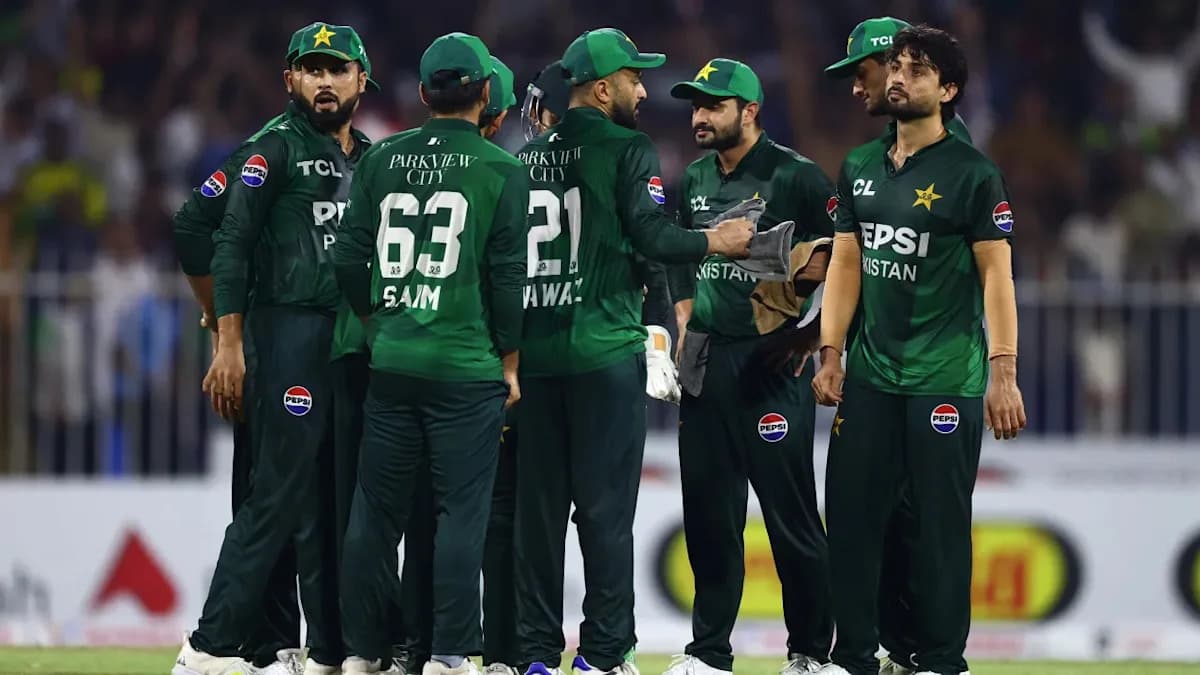
Mike Hesson walked into Birmingham as Pakistan’s new interim red-ball coach with a series already lost, a squad heavily trimmed, and a storm of questions waiting for him.
He made one thing clear straight away: the cull of three senior players was not his call.
Pakistan, thrashed in the first two Tests by England, have swung the axe hard ahead of the third and final match at Edgbaston, starting September 9. The Pakistan Cricket Board reacted to defeats by an innings and 103 runs at Headingley and 194 runs at Lord’s by reshaping both the squad and the backroom staff.
Seven players were released: Mohammad Rizwan, Salman Ali Agha, Imam-ul-Haq, Ali Usman, Aamir Jamal, Muhammad Awais Zafar and Khurram Shahzad. Head coach Sarfaraz Ahmed and bowling coach Umar Gul also lost their roles. Into that vacuum stepped Hesson, drafted in to steady a red-ball side reeling from an English onslaught.
But when it comes to the departures of Rizwan, Agha and Imam, Hesson is adamant his hands are clean.
‘They were already on their way home’
Facing the media in Birmingham on Friday, Hesson moved quickly to separate himself from the most contentious decisions.
"When they (Pakistan Cricket Board) told me if I could manage the side for the final Test, these three players (Rizwan, Agha and Imam) were already released from the squad and (were) on their way home. So, I really don't know what happened there," he said.
No ambiguity. No attempt to blur timelines. By the time the PCB approached him, the trio were gone.
That distinction matters. Rizwan, Agha and Imam are not fringe names; they are established figures, and their sudden exit has raised eyebrows back home. Hesson, aware of the scrutiny, drew a firm line between decisions made before his arrival and those made after.
Hesson’s stamp on the rest of the squad
On the rest of the changes, though, he did not dodge responsibility.
"I was involved in the release of the rest of the players and the inclusion of some new players," he admitted.
That is where his influence begins: shaping the group that will walk out at Edgbaston, trying to salvage pride from a bruising tour. The overhaul is not cosmetic. Pakistan have been outplayed in both disciplines, and the PCB has clearly decided that continuity is a luxury they cannot afford with the series already gone.
Hesson’s recent workload underlines how quickly this has all unfolded. He had been working with Pakistan’s white-ball setup, including a camp in Lahore, before heading to Japan for the Asian Games.
"We already had a white-ball camp in Lahore and I had just returned from Japan where the Asian Games are taking place, when I was asked if I could manage the red-ball squad," he said.
One assignment ended, another began. Different format, different crisis.
A new voice, a new balance
Hesson has made no secret of his desire for greater variety in Pakistan’s bowling attack. The first two Tests exposed a lack of balance and penetration over long spells, especially once the new ball lost its shine. Edgbaston will demand more nuance, more options, and a different type of resilience.
The structural shake-up, then, is not just about punishment for two heavy defeats. It is about giving a new coach room to adjust the levers: who bowls, who bats where, how Pakistan absorb pressure in English conditions that have so far overwhelmed them.
The series is gone. The damage on the scoreboard is done.
What remains is a final Test, a reconfigured squad, and a coach keen to make sure that, this time, the decisions that shape Pakistan’s red-ball future are clearly his.