Marnus Labuschagne's Redemption Tour: Australia Returns to South Africa
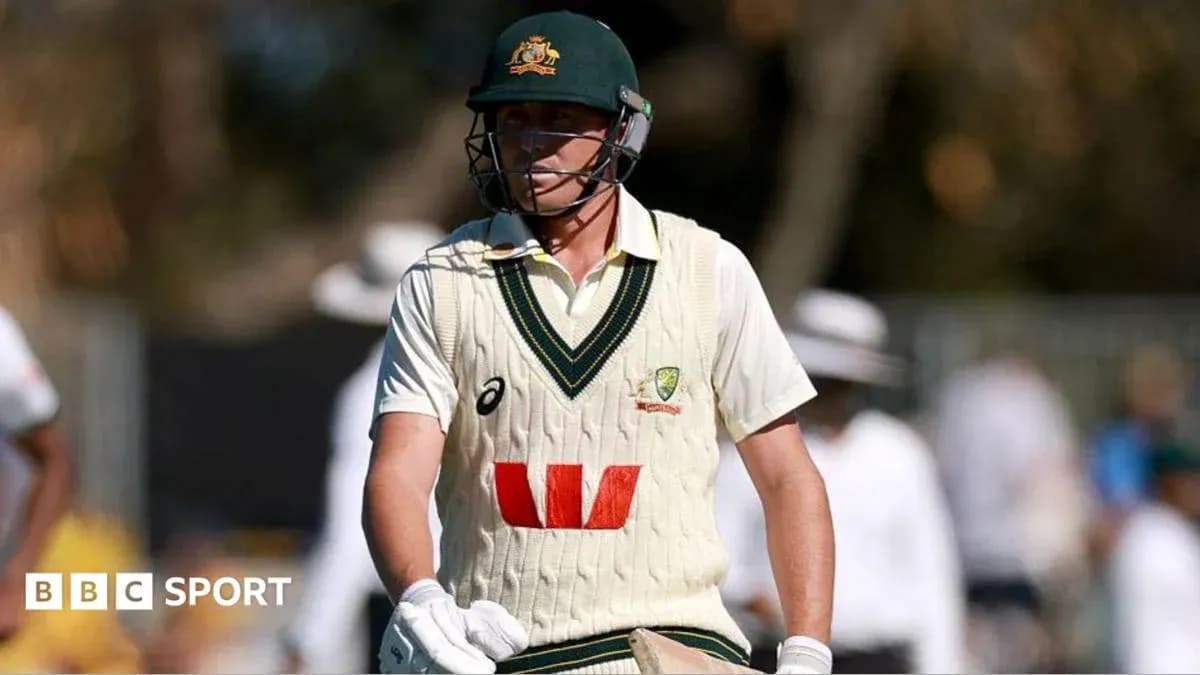
Australia have backed Marnus Labuschagne to find his lost touch in the country of his birth, naming the out-of-form batter in a 16-man squad for next month’s three-Test tour of South Africa.
Labuschagne, 32, has not reached three figures in Test cricket since 2023 and endured a grim time in Bangladesh last month, scraping scores of 1, 31 and 4 across two Tests before being overlooked for the white-ball legs in Zimbabwe and South Africa.
Those numbers would normally set alarm bells ringing for a No. 3. Australia’s selectors have heard them, but they are not walking away from him yet.
“We’re not shying away from the fact that we’d like some more runs from Marn… but we’re also confident that he can still make a positive contribution to that squad,” chief selector George Bailey said, laying down both the challenge and the support in the same breath.
He widened the lens quickly.
“Our batting group in its entirety, not just Marn, probably hasn’t been functioning as successfully as we would like.”
The question came, as it always does with a player under pressure: is this his last chance? Bailey refused to turn the tour into a public ultimatum.
“No, I wouldn’t say that. But again, it’s a hypothetical, isn’t it?”
Even so, the setting could hardly be more charged for Labuschagne. Born in South Africa before moving to Australia as a child, he now walks back into a country that shaped his early life, trying to rescue a career that once looked bulletproof at the top of the order. Runs here would feel like more than just numbers on a scorecard.
A return to the scene of the crime
For Australia as a whole, this is no ordinary trip either. It is their first Test series in South Africa since the 2018 “Sandpapergate” scandal, when a ball-tampering plot in Cape Town detonated into one of the ugliest crises in the country’s cricket history.
Back then, captain Steve Smith and vice-captain David Warner received year-long bans for their roles in using sandpaper on the ball during the third Test. The fallout shredded reputations, shook the dressing room and forced a reset of Australian cricket’s public image.
Only six players from that 3–1 series defeat are still standing in the current Test set-up: captain Pat Cummins, Mitchell Starc, Josh Hazlewood, Nathan Lyon, Smith and Matt Renshaw. The rest of the squad carries no direct scars from that tour, but they carry the story. Every Australian side that walks into a South African Test series from now on does.
This time, Cummins leads a group that is otherwise unchanged from the second Test in Bangladesh, a sign that the selectors prefer stability over sweeping reaction.
New faces, old stakes
Cooper Connolly, Matthew Kuhnemann and Michael Neser are the additional names in the 16-man party. Connolly, the highly regarded all-rounder, and Kuhnemann, the left-arm spinner, offer flexibility for conditions that can swing from pace-friendly to attritional. Neser, ever the reliable seamer, remains on the fringe but close enough to be trusted if called upon.
The spine of the side, though, is familiar. Cummins, Starc and Hazlewood still form one of the most formidable pace trios in world cricket. Lyon remains the metronome. Smith, now a senior pro rather than the lightning-rod captain of 2018, returns to a country where his career hit its lowest point.
And in the middle of it all sits Labuschagne, the man who once made No. 3 his personal fiefdom, now fighting to prove that the dip is temporary, not terminal.
The itinerary only sharpens the narrative. Australia open in Durban on 9 October, then move to Gqeberha and Cape Town, the city that became shorthand for scandal eight years ago.
For some, this tour is about closure. For others, it is about opportunity. For Labuschagne, it might just be about survival.