Mark Magsayo Defeats Hometown Favorite Andres Cortes in Las Vegas
At an arena built for spectacle, Mark Magsayo walked through chaos, confusion, and a hostile narrative to leave Las Vegas with the only thing that matters on a judge’s card: three scores of 97-93.
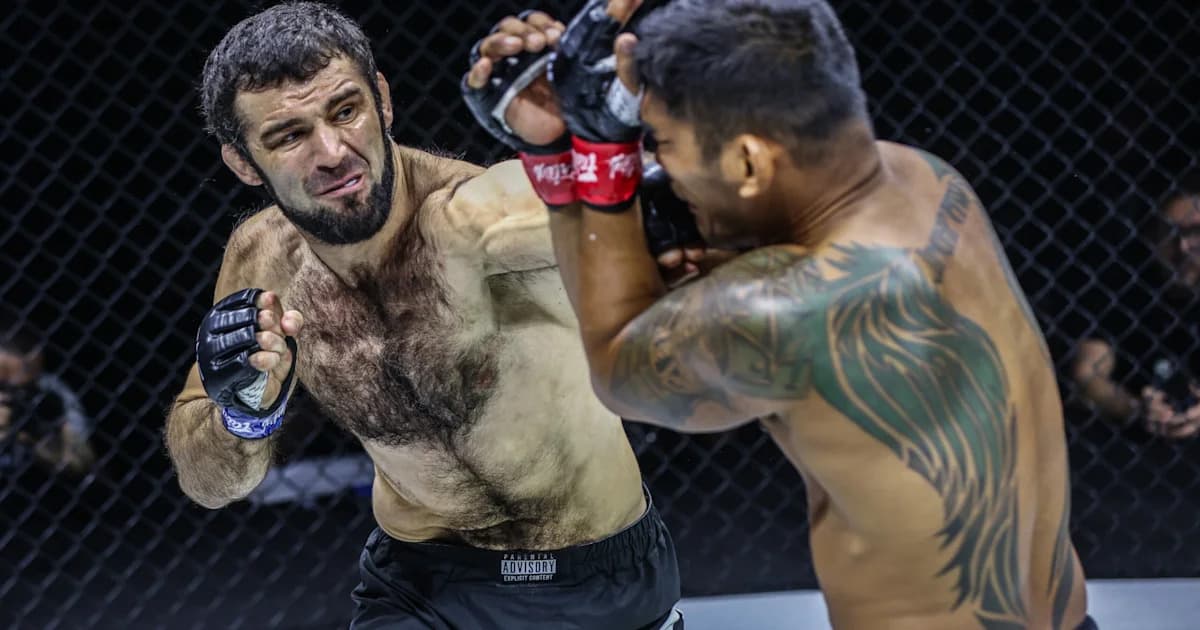
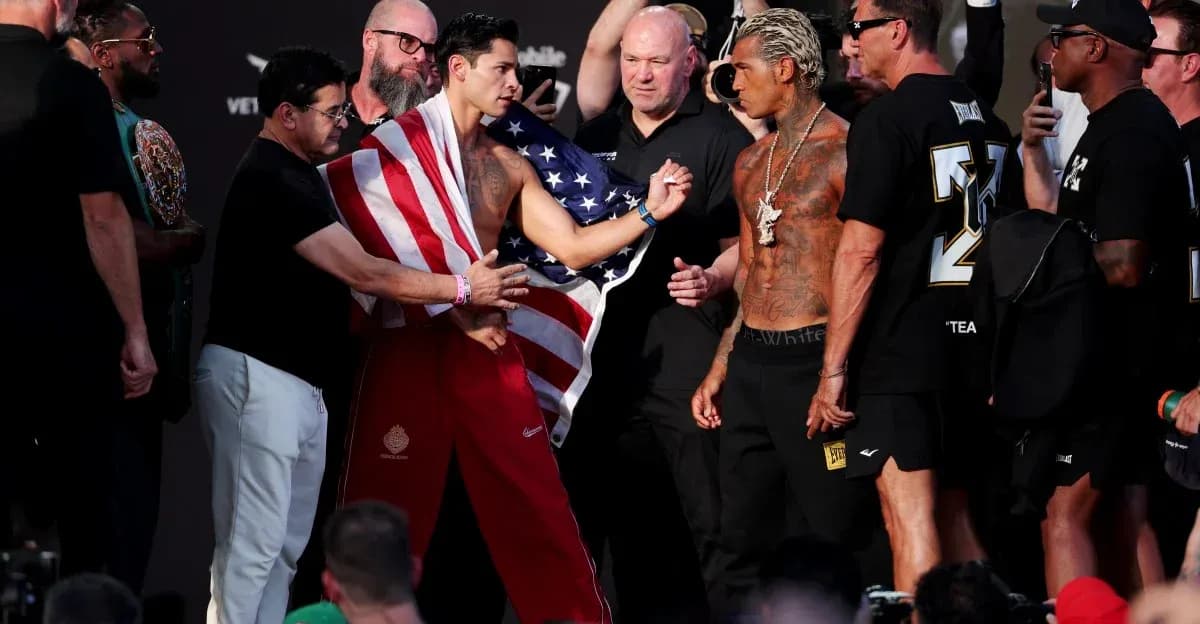
On a night headlined by Ryan Garcia’s WBC welterweight title defense against Conor Benn at T-Mobile Arena, it was Magsayo’s unanimous decision over previously unbeaten Andres Cortes that stole a chunk of the undercard spotlight. The official verdict cut sharply against the feel of the live action, where Cortes often dictated tempo and geography, but the Filipino former world champion found just enough moments – and just enough belief – to sway the three ringside judges.
For Cortes, fighting in his own backyard and backed by a surging crowd, this was supposed to be the step into the next tier. Instead, it became a lesson in how quickly a fight can slip away on the scorecards, even when the momentum seems to be yours.
A fast start for Cortes
Cortes opened like a man intent on making a statement. He pressed from the first bell, walked Magsayo to the ropes, and thudded in body shots that sounded heavy in the quiet pockets between chants. His jab was sharp, his right hand found early success, and he banked the opening round with cleaner, more controlled work.
Magsayo, as he often does, needed a beat to warm up. In the second, he found it. Faster hands, sharper counters, and a willingness to trade in the pocket pulled him into the contest. He went to the body while Cortes swung upstairs, and a big counter right announced that he was not there to play the opponent.
One round apiece, but the tone had been set: Cortes the pressure fighter, Magsayo the explosive counterpuncher.
Confusion in the middle rounds
Then came the mess.
In Round 3, Cortes clipped Magsayo with a short shot inside. The Filipino went to a knee, and it was initially treated as a knockdown. Replays suggested something different: balance, positioning, and Magsayo’s habit of ducking low into Cortes’ body rather than any real damage. The commentary team quickly pointed it out, and the confusion bled into the next round.
Round 4 began with clarification that the supposed knockdown had been wiped off the board. It didn’t change Cortes’ approach. He continued to drive in that right hand, working in close, while Magsayo complained about clinching and rough tactics. Then it happened again: a glancing right, another awkward dip from Magsayo, another trip to a knee, and again it was initially treated like a knockdown before ultimately being erased.
The pattern was jarring. Magsayo kept ducking dangerously low, losing his balance and ending up on the canvas in ways that infuriated Cortes and his corner. The referee repeatedly warned the Filipino about the tactic, but the rhythm of the fight had already turned choppy. Cortes, though, was still the one with the clearer volume and the cleaner combinations, steadily building what looked like a healthy lead.
By the halfway mark, the ringside view suggested Cortes was in control. He outworked Magsayo in the fifth and sixth, stepping in behind the jab, landing that short right hand almost at will, and battering Magsayo whenever he closed the distance. The Las Vegas native looked composed and confident, “cruising,” as the live scoring described it, while Magsayo struggled to find any sustained rhythm.
Magsayo’s late push
Then the fight changed feel, if not entirely form.
In Round 7, Magsayo dug to the body and tried to push Cortes back, but the same strange body language returned. Another counter from Cortes, another knee from Magsayo – not ruled a knockdown, but certainly not the posture of a fighter in command. Cortes kept landing, kept scoring, and kept wearing the look of a man on his way to a signature win. Yet even in those exchanges, Magsayo was sneaking in eye-catching shots, just enough to remind everyone he remained dangerous.
Round 8 finally gave him a foothold. Cortes still landed that right hand whenever Magsayo dipped, but the Filipino responded with a spirited surge. He strung together combinations, found a home for his uppercut, and forced Cortes to reset more than at any other point in the fight. It was the kind of round that doesn’t rewrite a scorecard but can tilt a judge’s perception of who is surging and who is fading.
Magsayo built on that in Round 9. His movement grew trickier, his timing sharper. He went to the body, then snapped upstairs with the uppercut again. A left hook appeared to buzz Cortes, and for the first time the crowd’s certainty wavered. Cortes still had his moments, still swung big, but the aura of control had cracked.
By the final round, Magsayo was the one marching forward. Cortes landed a right hand, Magsayo answered with a flurry. The Filipino worked the body, then complained briefly about a low shot. Cortes stayed composed, poking with the jab, trying to keep the fight on his terms. The closing stretch was tense rather than wild, a sense that Magsayo might have left his late charge just a touch too late.
On many unofficial cards, Cortes had done enough. On the three that mattered, he hadn’t.
A verdict that will sting
When the scores were read – 97-93, 97-93, 97-93, all for Mark Magsayo – the numbers told a different story than the ebb and flow many had just watched. Cortes had controlled long stretches, pressed the action, and repeatedly found success with his right hand. Magsayo, though, had the flashier moments late, the kind of surges that can leave a lasting impression.
For Magsayo, it goes down simply: a unanimous decision win over an undefeated hometown fighter on a major card, a result that keeps him firmly in the conversation for big nights and bigger names.
For Cortes, it’s a harsh lesson in boxing’s old truth. Dominating the feel of a fight doesn’t guarantee you the math on the cards.