.svg&w=384&q=75 "logo")
Lakers' Roster Overhaul: The Challenge of P.J. Washington
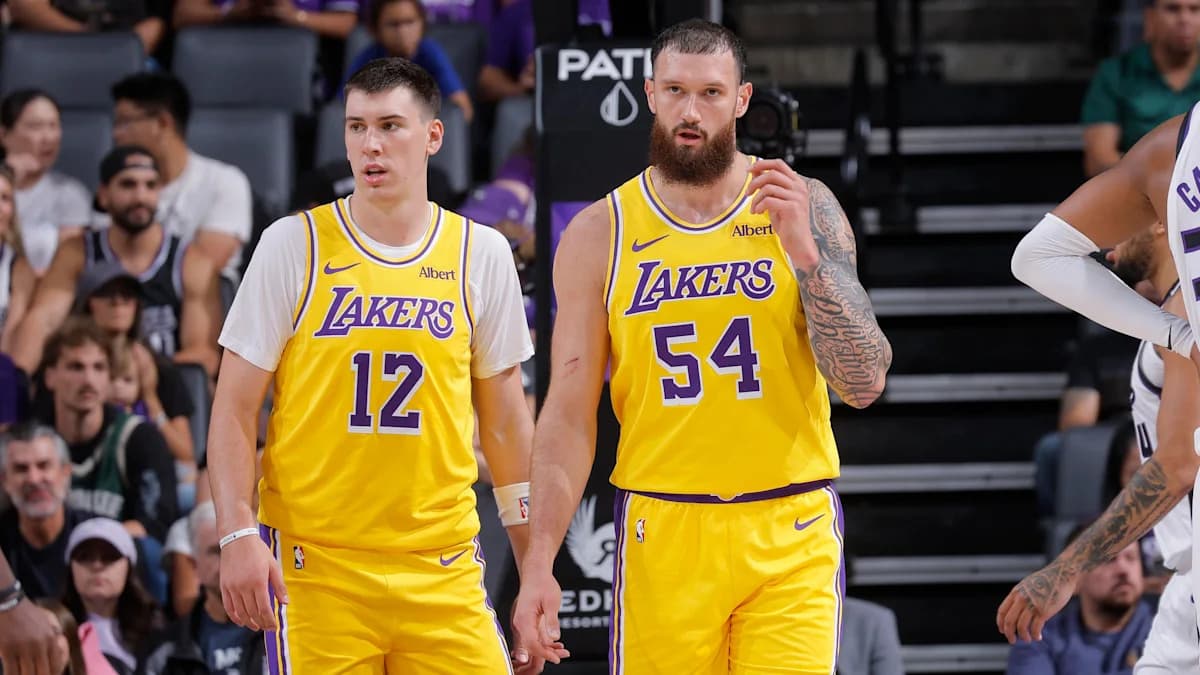
The Los Angeles Lakers have spent the summer swinging hard.
Every starter from last season’s first-round playoff series is gone. In their place: a wave of new faces, younger legs, and a clear mandate — build a deeper, more dynamic roster around Luka Doncic. The overhaul has been bold. It has not been clean.
The first real bruise came with Jonathan Kuminga.
The Lakers chased the versatile forward and came up empty, watching him agree to a two-year deal with the Minnesota Timberwolves. It wasn’t just a missed target; it left a structural problem.
“The Lakers’ failed pursuit of Jonathan Kuminga, who is signing a two-year deal with the Timberwolves, has left them with a hole in the frontcourt,” Khobi Price wrote in the California Post.
The numbers make it worse. With their payroll just $8.1 million below the NBA’s $209 million first-apron threshold, the Lakers are hard-capped for the 2026-27 season. Sixteen players already hold guaranteed contracts. The roster is crowded, the flexibility is not.
There is still a month to go before training camp. The needs are obvious. The paths to fixing them are not.
A Familiar Name, A Complicated Fit
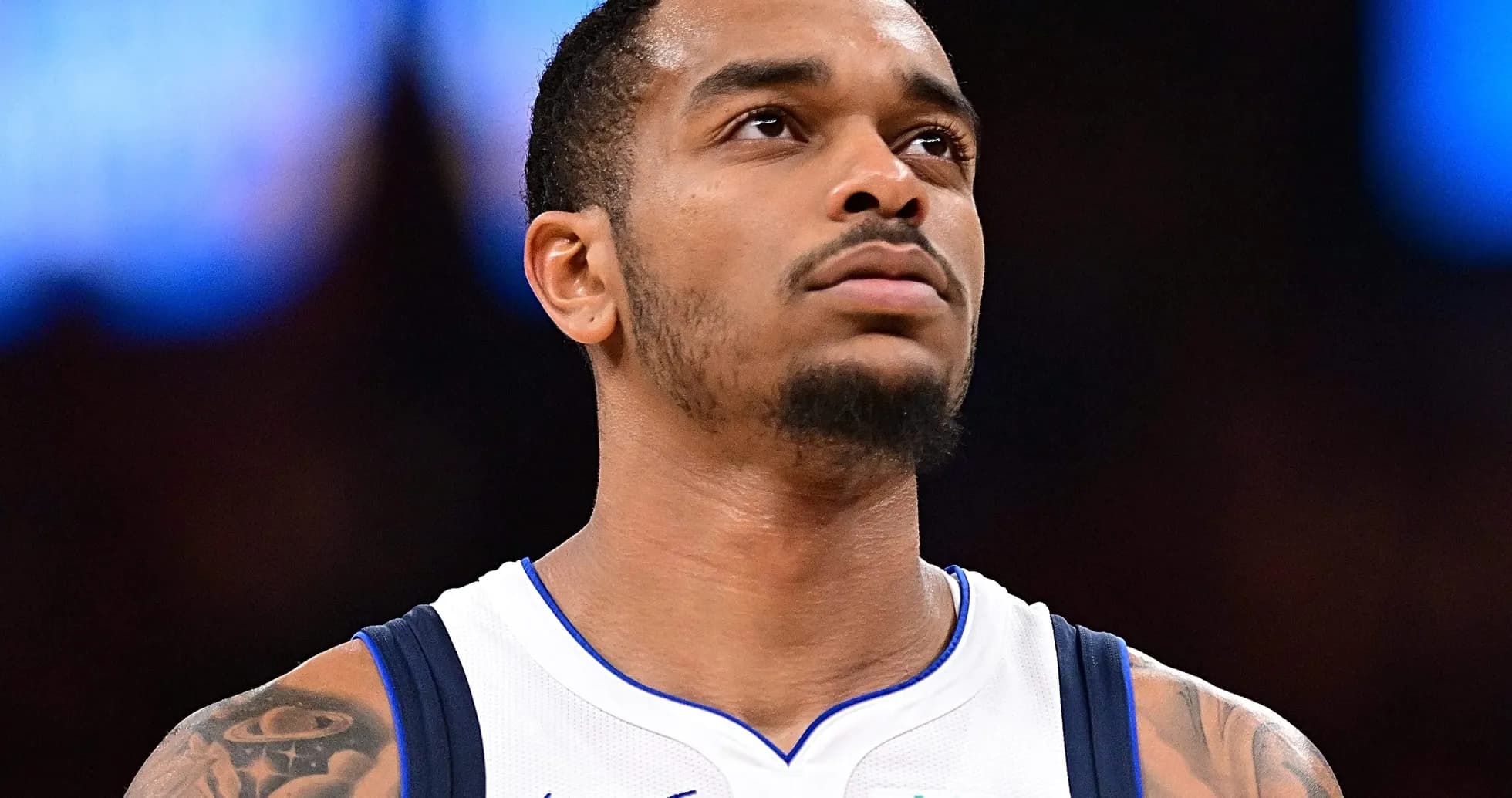
When the conversation turns to frontcourt help, one name keeps circling back: P.J. Washington.
The link is easy to understand. Washington played some of his best basketball alongside Doncic with the Dallas Mavericks. He can stretch the floor, defend multiple positions, and has already shown he can complement a heliocentric star. On paper, he looks like the kind of plug-and-play forward who could slide into the Lakers’ starting lineup and steady the rotation.
On paper.
Inside the building, the view is colder.
“Off the bat, we’re starting with a player the Lakers have repeatedly said they have no interest in, if that gives you a sense of how dry the market is,” Lakers reporter Jacob Rude wrote in a fan mailbag.
After L.A.’s early spending spree, many outside the organization pointed to Washington as the obvious answer to their frontcourt gap. Multiple reports, though, indicated the Lakers had no appetite for his deal.
The sticking point isn’t the player. It’s the contract.
Washington is owed a fully guaranteed $88.8 million over the next four years — nearly $90 million committed to a non-star forward at a time when the Lakers are already brushing against the apron and locked into a hard cap down the line.
“The Lakers have long been tied to trade rumors involving Mavericks forward P.J. Washington, a former teammate of (Luka) Doncic’s in Dallas, but as The Post previously reported, the fully guaranteed $88.8 million Washington is owed over the next four years isn’t appealing to the Lakers.”
That is the calculation: talent versus cost, role versus long-term flexibility. Right now, the math doesn’t work in Washington’s favor.
Waiting on the Market to Move
So where does that leave both sides?
The Lakers still have a frontcourt hole and few clean ways to fill it. The open market is thin. Their tradeable assets are limited. Landing a high-impact starter would require either a big swing or a rival front office blinking first.
Dallas, meanwhile, sits on a heavily invested front line. Between Washington, Daniel Gafford and the rest of their big rotation, the Mavericks have poured more than $300 million into the frontcourt. At the same time, younger players are pushing up the depth chart and will soon need to be paid. Something will have to give.
“I think Dallas could really stand to benefit from both P.J. Washington and Daniel Gafford playing their way into greater trade value this season,” NBA insider Jake Fischer reported, noting that Gafford, not Washington, has drawn the stronger trade interest so far. “I haven’t heard of any team targeting P.J. Washington for sometime. Daniel Gafford has had far more trade interest, to my understanding.”
That silence around Washington is telling. It also might not last.
If the Mavericks can’t find a robust market for him early, their asking price could soften as the season unfolds and the trade deadline creeps closer. A contract that looks heavy in August can feel different in February if a team is chasing wins, dealing with injuries, or staring at a playoff matchup that exposes a roster flaw.
That’s where the Lakers could re-enter the story.
If L.A. reaches midseason still searching for reliable size and versatility up front, and if they’re willing to swallow a big number to stabilize their rotation, Washington’s name will surface again. For now, he is too expensive, the cap too tight, the options too constrained.
But in a season where the Lakers have already torn up the script and rebuilt around Doncic, the real question is simple: when the pressure of the schedule starts to bite, will they still be able to say no?