Kristaps Porzingis' Comeback: Warriors' Bold Bet on Health and Performance
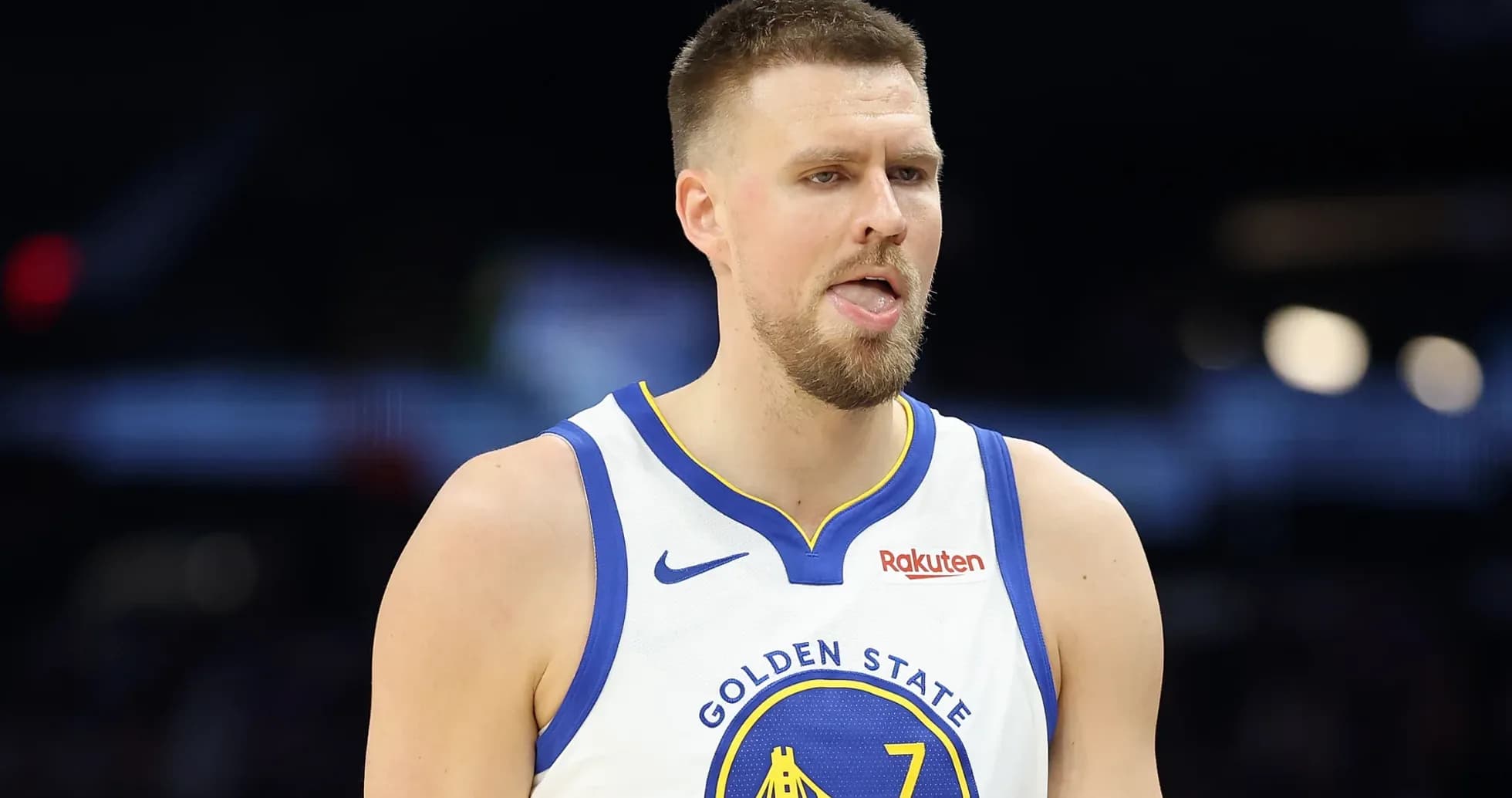
Kristaps Porzingis is back in the Bay on a fresh two-year deal, and the Golden State Warriors are betting $40 million that his body – and their system – can finally unlock the version of “KP” that once looked like a franchise cornerstone.
They paid a real price to find out.
Porzingis arrived at the trade deadline from the Atlanta Hawks in a package that sent Jonathan Kuminga and Buddy Hield the other way, a clear sign Golden State was willing to sacrifice youth and perimeter firepower for size, skill and rim protection. The gamble barely got off the ground. A recurring medical issue limited Porzingis to just 15 games.
In those brief flashes, the numbers still teased the upside: 16.1 points, 5.3 rebounds, 2.3 assists and 1.1 blocks per game. Not dominant, but efficient enough to remind everyone why 7-foot-3 shooters who can pass and protect the rim remain some of the rarest commodities in the league.
Now the Warriors are planning as if those 15 games were only a prologue.
Vogel’s Vision: KP as Defensive Anchor
The organization expects Porzingis to be fully healthy next season after he skipped Latvia’s FIBA World Cup qualifying windows to focus on recovery. That decision wasn’t about national pride; it was about durability. He chose rehab over summer competition, giving Golden State every chance to avoid regretting the contract they just handed him.
Inside the building, the person most eager to get his hands on Porzingis might be assistant coach Frank Vogel.
Vogel, one of the league’s most respected defensive minds, has built his reputation around rim-protecting centers. In Indiana, it was Roy Hibbert. In Los Angeles, it was Anthony Davis. His teams defend the paint with structure and ferocity, funneling drives toward a shot-blocking big who can clean up mistakes and erase breakdowns.
“We feel like Kristaps can fill that role,” Vogel told Luca Evans of the San Francisco Chronicle. He didn’t hide his anticipation. “And I’m really excited about putting him in my defensive system. Because there’s a lot of details I believe in with my defensive system and how I use shot-blocking bigs that really gets a lot out of ’em on that side, and I really look forward to putting KP in those spots.”
That’s the blueprint: Porzingis as the latest in Vogel’s line of defensive anchors, patrolling the back line, stretching the floor on the other end, and giving the Warriors a different look from anything they’ve had in the Stephen Curry era.
Vogel arrived this offseason after the departures of Terry Stotts, Jerry Stackhouse and Chris DeMarco, signaling a clear shift in emphasis. Golden State’s offense has long had an identity. Its defense, particularly inside, has frayed with age and attrition. Vogel’s presence is supposed to tighten that up.
But he can only do so much from the sideline. The roster’s age is real. The margin for error is thin.
Thin Frontcourt, Big Responsibility
Porzingis doesn’t just need to be good. He needs to be available.
Golden State’s depth at center is fragile. Al Horford, still clever and composed, is the second-oldest player in the NBA. He can organize a defense, stretch the floor and steady a locker room, but he can’t be asked to shoulder a heavy regular-season load in the middle at this stage of his career.
Behind him, Charles Bassey remains largely unproven, a big body without a significant track record of major minutes or postseason responsibility. That’s not a rotation. That’s a warning.
All of it pushes Porzingis to the center of the Warriors’ plans. His presence changes the geometry of the floor on both ends. His absence forces Golden State into uncomfortable compromises, smaller lineups, and more strain on aging legs.
The problem is history.
A Fragile Star, a Confident Front Office
Porzingis has not played 70 games in a season since his rookie year with the New York Knicks in 2015-16. Every stop in his career has followed a familiar pattern: stretches of high-level production, interrupted by injuries that sap rhythm, continuity and trust.
When he’s right, the numbers come. When he’s not, the questions do.
Inside the Warriors’ front office, those questions have already been dissected. General manager Mike Dunleavy Jr. insists the organization has done its homework and believes this can be the year Porzingis stays on the floor.
“We looked at it extensively, what’s going on, how we can help him, how we can be better,” Dunleavy told Luca Stevens of the San Francisco Chronicle last month. “And I just think the things we’ve discussed and look at and worked through lean in the direction of him having a healthier year.”
That’s the internal bet: that smarter management, targeted support and a refined role can tilt the odds in Porzingis’ favor.
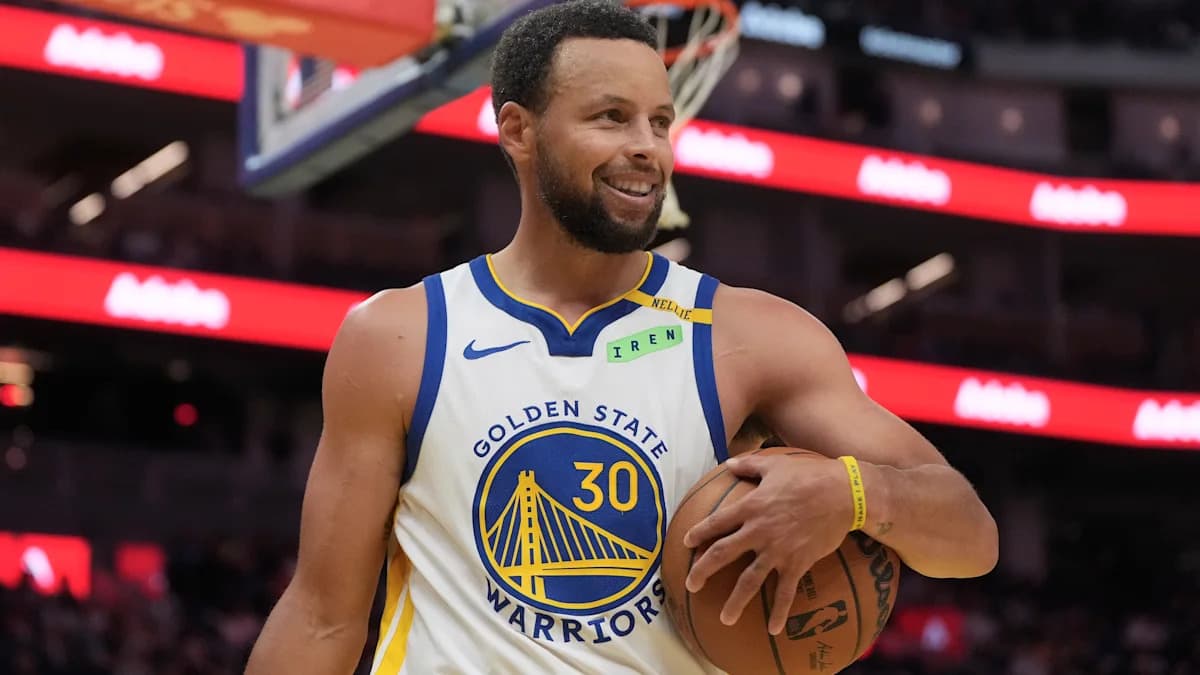
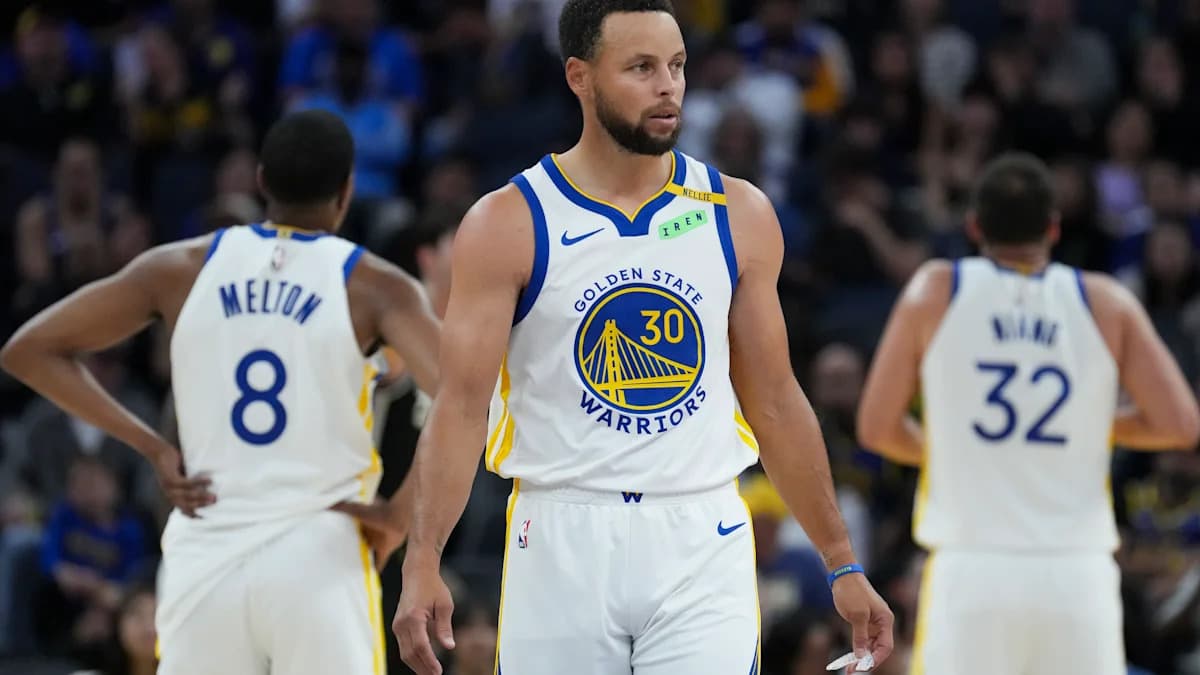
The Warriors don’t need him to be a 75-game ironman. They need him healthy when it matters and steady enough across the season to anchor Vogel’s schemes and give Curry, at 36, a frontcourt partner who can buy him a few easier possessions a night.
If that happens, the trade and the contract look like a bold, timely push to extend a championship window that has been creaking for years.
If it doesn’t, Golden State will have surrendered a young asset in Kuminga, leaned into age across the roster, and tied a crucial chunk of its cap space to a center whose body once again couldn’t keep pace with his talent.
For a franchise that has lived on the edge of risk and reward for a decade, Porzingis might be the biggest swing left.