.svg&w=384&q=75 "logo")
Kevin Durant Reflects on Westbrook's Retirement and His Future
Kevin Durant has spent most of his career outrunning time. This summer, it finally caught up to him.
Not in his legs, not yet, but in his mind.
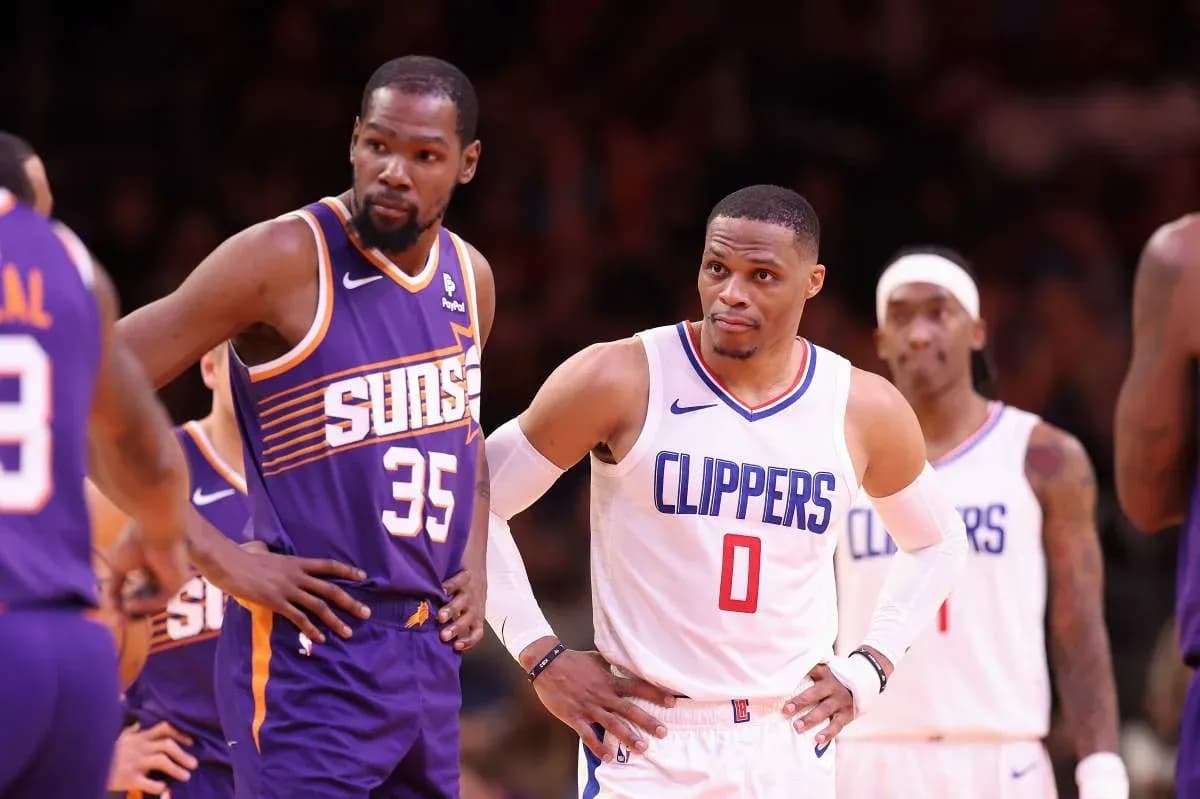
The trigger wasn’t his own body failing or a front office hinting at a rebuild. It was a post from an old running mate: Russell Westbrook, the relentless guard who once shared a locker room, a franchise, and an entire city’s hopes with Durant in Oklahoma City, announcing his retirement.
Durant admitted the news hit him hard.
“It just hit me, man,” he told Speedy Morman. “’Cause it’s just like that’s one of the first dudes you come in with and you was around every day to finally step out of this s***.”
That’s the part that stings. Westbrook wasn’t just another name from his draft class fading into the background. He was the guy next to him on the bus, in the film room, in the fire.
“A lot of the guys that have been younger than me or drafted after me have retired, but I wasn’t as close to them as I was to Russell,” Durant said. “And then as somebody I felt like can still play. It surprised me.”
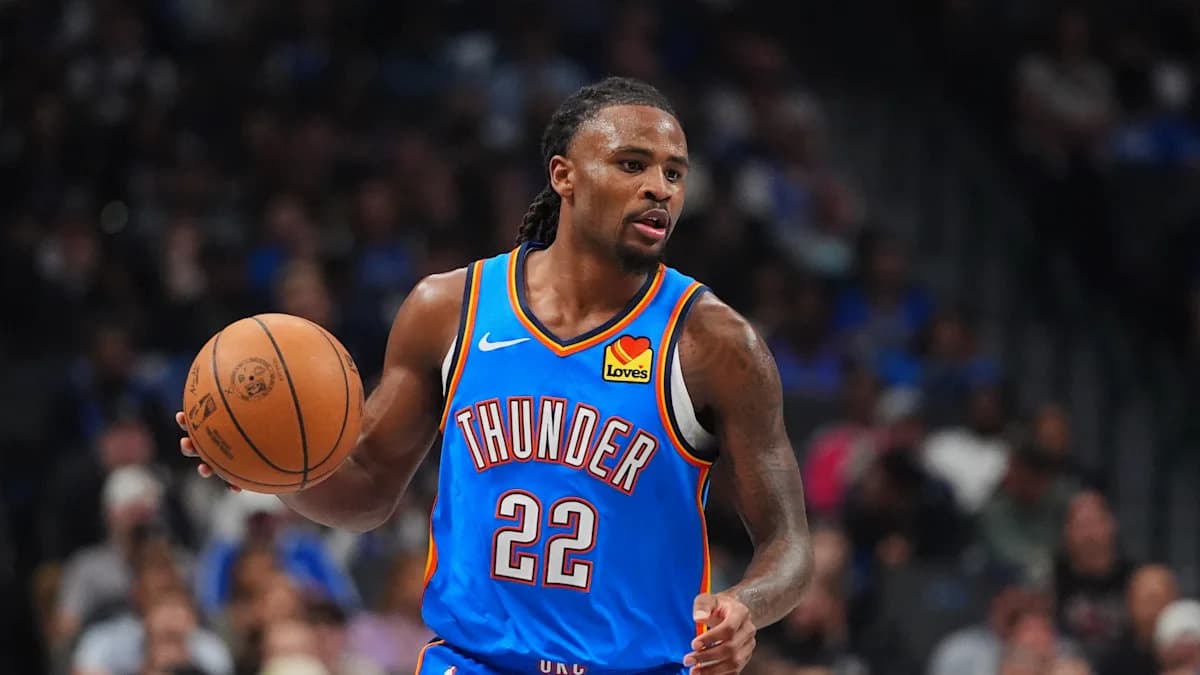
For a generation of fans, Durant and Westbrook are inseparable from the rise of the Oklahoma City Thunder. Two young stars, raw and fearless, dragging a small-market team into the heart of the Western Conference arms race. James Harden was there too, another future MVP in training. It felt less like a team and more like a movement.
They grew up together in the league. Now one of them is done.
Durant sounded less like a rival and more like an old friend taking stock.
“So, yeah, it is one of those things that you can appreciate all the time spent, and then somebody like Russell who’s doing a lot off the court too, I want to see what he does next.”
That last line says a lot. The rivalry is history. What’s left is respect—and curiosity about the next chapter.
From Thunder partners to public enemies
The split in 2016 rewrote both of their careers.
Durant’s decision to leave Oklahoma City for the Golden State Warriors, the very team that had just knocked the Thunder out of the playoffs, detonated the partnership. Around the league, the move was blasted. Soft. Taking the easy way out. Westbrook, the ultra-competitor who wore loyalty on his sleeve, became the emotional center of that backlash.
When they met as opponents, the tension spilled onto the court. They barked at each other. They went chest to chest. It was theater, but it was also real. The NBA had turned a brotherhood into a storyline.
Time, as it tends to do, cooled everything down.
An All-Star Game brought them back onto the same side, at least for a night. Durant tossed Westbrook an alley-oop. Westbrook finished it. The bench exploded in mock shock, teammates hamming it up because everyone in the building knew the history.
That moment didn’t erase the past, but it cracked the ice. Respect started to seep back in.
Both men bounced around the league in the years that followed, chasing roles, relevance, and one more deep run. The sharp edges of the feud dulled. The noise faded. The relationship settled into something quieter, more mature.
Westbrook’s final stop came with the struggling Sacramento Kings, a far cry from the roaring OKC crowds and the peak of his MVP days. After that last season in Sacramento, he chose to walk away.
Durant looks at the clock
Westbrook’s retirement forced Durant to look in the mirror.
This wasn’t a distant peer or a former rival he barely knew. This was the guy who shared the early bus rides and the first playoff scars. If Westbrook could step away, the end of Durant’s own road no longer felt abstract.
The 35-year-old star admitted the news pushed him to think more deeply about his future. He still believes he has more to give, still feels the game in his hands and legs, and he’s gearing up for another season with the Houston Rockets.
He’s not done. Not yet.
Durant talked about playing “a few more seasons,” and with his skill set, that sounds entirely plausible. But the context has shifted. When players drafted after him are gone, when a former co-star hangs it up, every season starts to feel a little more finite.
Around the league, the clock is ticking on an entire era.
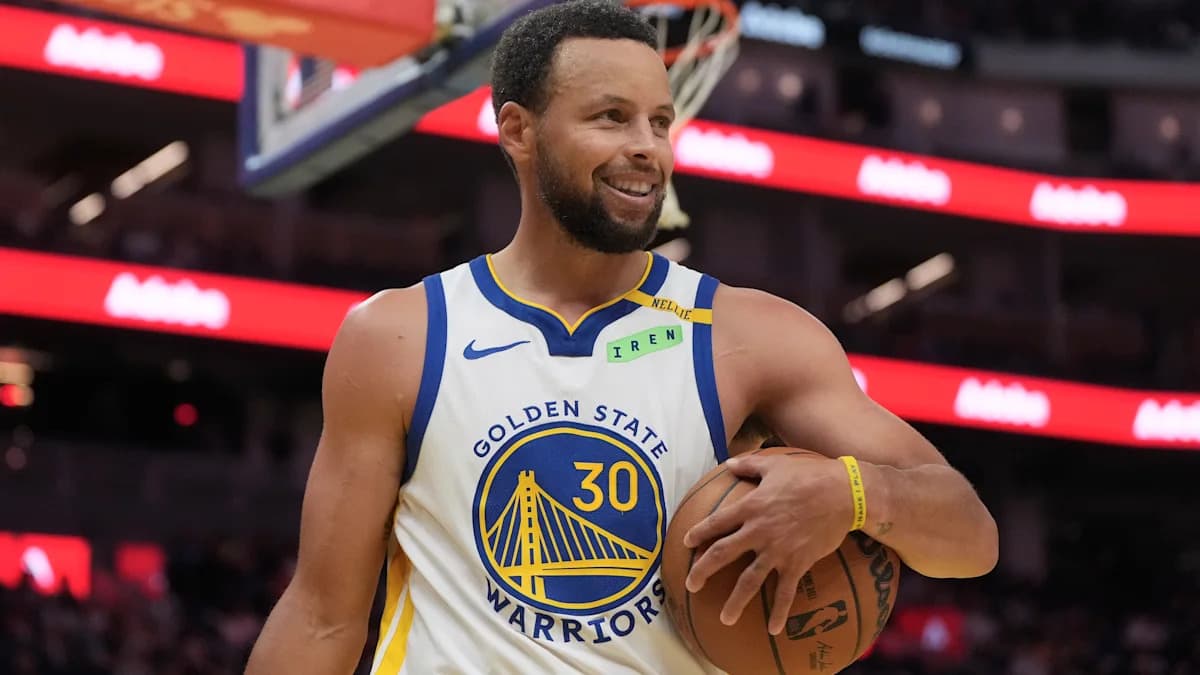
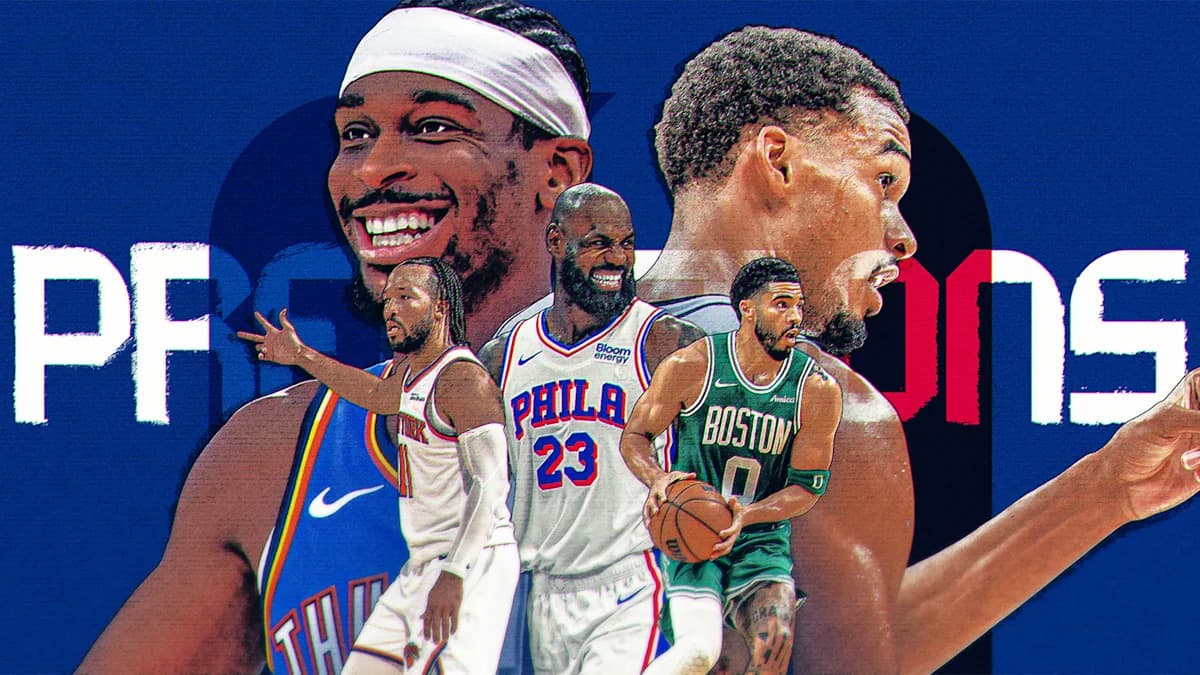
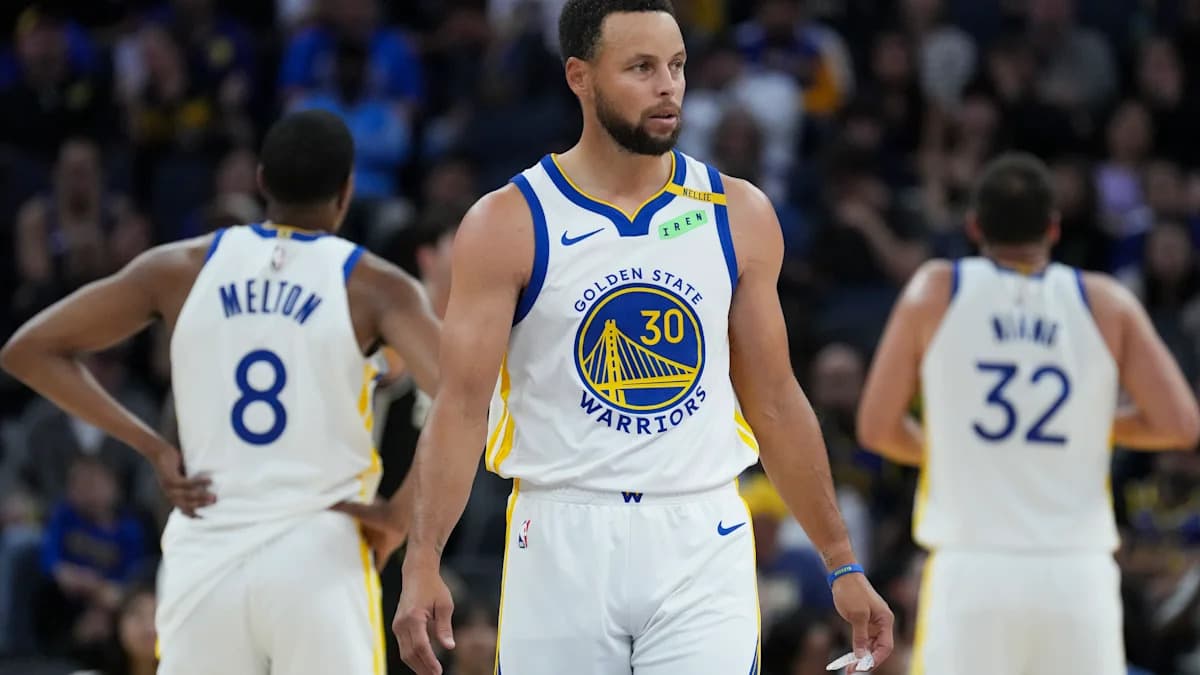
LeBron James, Stephen Curry, Kevin Durant—three pillars of the modern NBA—are all still producing, all still central to their teams, all still capable of bending a playoff series to their will. But they’re also all closer to the end than the beginning.
James Harden and Kawhi Leonard belong to that same generation. Their primes defined the last decade of basketball. Their exits, whenever they come, will mark the end of a specific style, a specific rhythm to the league’s biggest nights.
Fans know what’s coming. One by one, the stars of the 2010s will step away. Jersey retirements. Tribute videos. Standing ovations in arenas where they were once the villains.
Durant isn’t there yet. He’s still in the fight, still hunting wins and legacy. But Westbrook’s decision stripped away the illusion that this can go on forever.
He watched a player he “felt like can still play” choose to walk off the stage. Now the question lingers over him, over Curry, over James:
How many more seasons can this golden generation stretch the moment before the lights finally dim?