Kawhi Leonard's Return to Toronto: Trade Update
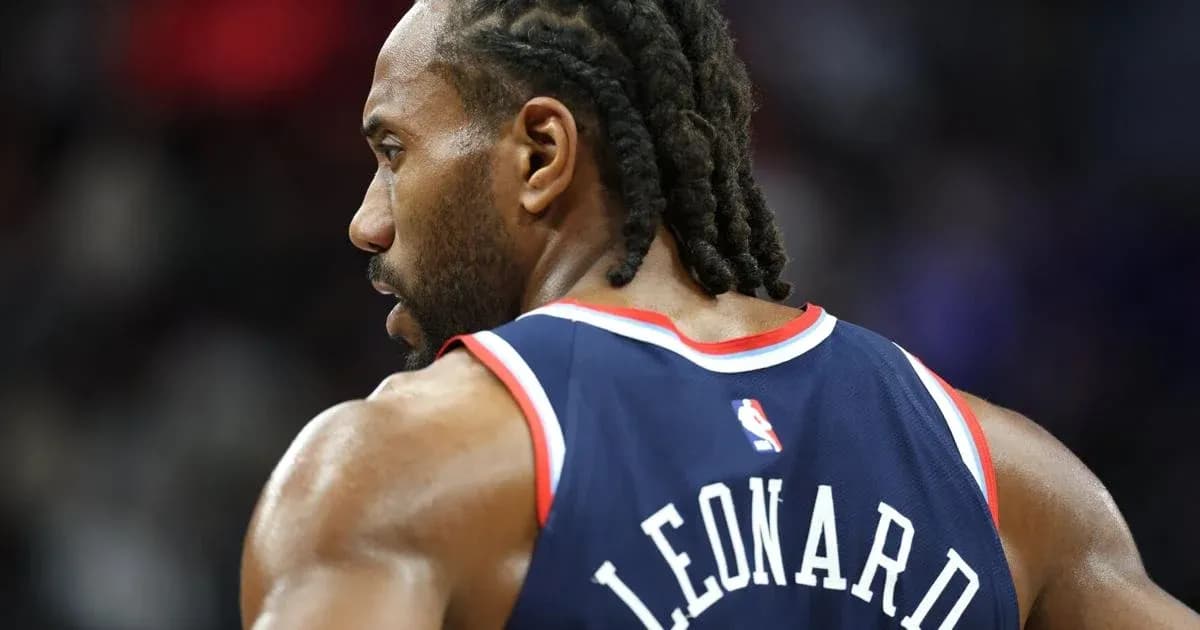
Kawhi Leonard’s return to Toronto, a blockbuster nearly three months in the making, is finally inching out of limbo and toward the league office’s rubber stamp.
The trade is still not official — there has been no formal call with league lawyers — but the major obstacles that once threatened to derail Leonard’s path back to the Raptors have effectively disappeared.
The most significant shift came from Los Angeles. On Sunday, Clippers owner Steve Ballmer confirmed he would not contest the NBA’s severe punishment for salary-cap violations tied to Leonard’s last contract. That decision removed the largest cloud hanging over the deal: the possibility of further legal or disciplinary fallout that might have forced the league to freeze or even unwind Leonard’s current agreement.
Leonard, hit with a demand to repay $700,000 (U.S.) in what the league deemed ill-gotten benefits from those cap-contravention moves, has also made a costly concession to get this trade over the line. According to sources granted anonymity because the transaction is not yet official, the 35-year-old has agreed to waive the trade kicker in his current contract so the numbers can squeeze under the NBA’s tightened rules.
That choice strips nearly $8 million from his 2025-26 salary. It is a stark move from a superstar, but a necessary one: without it, the framework that Toronto and the Clippers built back in June would have collapsed under the new salary-cap restrictions.
Even with Leonard’s sacrifice, the Raptors will be pressed right up against the first apron of the salary cap. That line now acts as a hard constraint, limiting their flexibility on sign-and-trade deals, the use of existing trade exceptions, and how they can structure future salary-matching in other moves. Toronto gets its star, but the cost is not just in draft capital — it’s in maneuverability.
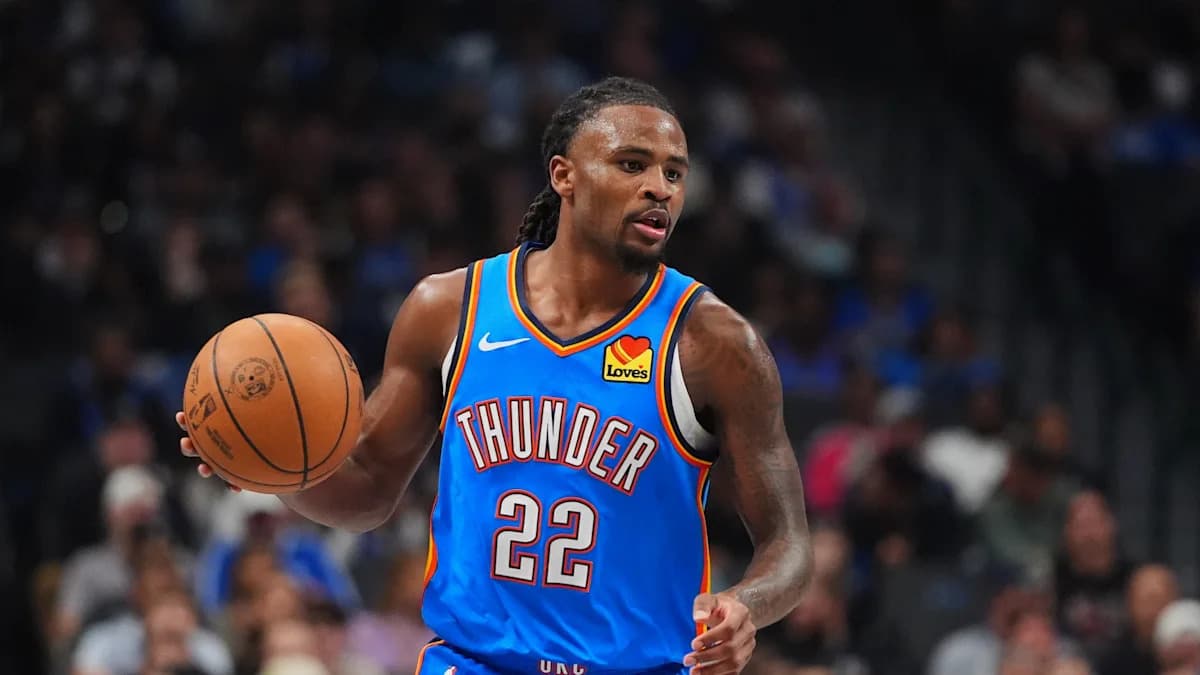
The trade itself, though, remains exactly as it was drawn up months ago. Leonard to Toronto. Heading the other way: Brandon Ingram, Gradey Dick, unprotected first-round picks in 2031 and 2033, second-rounders in 2030 and 2033, plus a potential swap of 2027 first-round picks. No sweeteners, no late add-ons. Just the same high-stakes package, still sitting on the table, waiting for the league’s final approval.
As of Monday evening, that final trade call had not yet been scheduled. It can, however, be arranged at a moment’s notice. Once the lawyers are on the line, the deal can close quickly.
The delay never came from a lack of desire on Toronto’s side. The Raptors needed certainty. They had to know Leonard wouldn’t be suspended or see his contract voided as the NBA dug into the Clippers’ salary-cap machinations. When the league finally came down on Los Angeles, the impact was brutal: suspensions for Ballmer and basketball operations chief Lawrence Frank, a $30-million fine, and the forfeiture of five first-round draft picks.
Those sanctions rocked the Clippers and briefly stalled the trade’s momentum. The organization had to absorb the punishment, stabilize, and accept its new reality before re-engaging fully on Leonard’s exit.
Now, with Ballmer standing down and the league’s investigation effectively closed, those hurdles are gone. The NBA’s board of governors convened in New York on Sunday for two days of meetings, a gathering that sharpened focus across the league on the long-anticipated Raptors-Clippers deal and its broader implications under the new cap landscape.
For Toronto, the implications go well beyond the immediate splash. Once Leonard is officially back on the roster, the Raptors can open negotiations on a contract extension that would begin in the 2027-28 season. That extension could be worth up to $126 million over two years, a massive late-prime commitment to a player who once delivered the franchise its only championship.
If both sides move quickly, those talks can start the moment the trade hits the league’s books. A full two-year extension would keep Leonard in Toronto through the end of the 2028-29 season, tying the team’s competitive window firmly to his health and production deep into his 30s.
The Raptors, though, still have levers to pull. They could push for the second year of that extension to be only partially guaranteed, protecting the franchise against age, injury, or a sharp decline while still anchoring the roster around a proven playoff force.
For now, everything rests on a phone call. The framework is intact, the penalties have landed, the concessions have been made. All that’s left is for the league to make it official and for Toronto to decide just how far into the future it wants to bet on Kawhi Leonard — again.