Jonathan Kuminga Chooses Minnesota Over Lakers
Jonathan Kuminga had a choice that tends to define careers, reputations and bank accounts. Los Angeles or Minnesota. The glamour market or the rising project. The Lakers or the Timberwolves.
On paper, it felt like a layup for L.A.
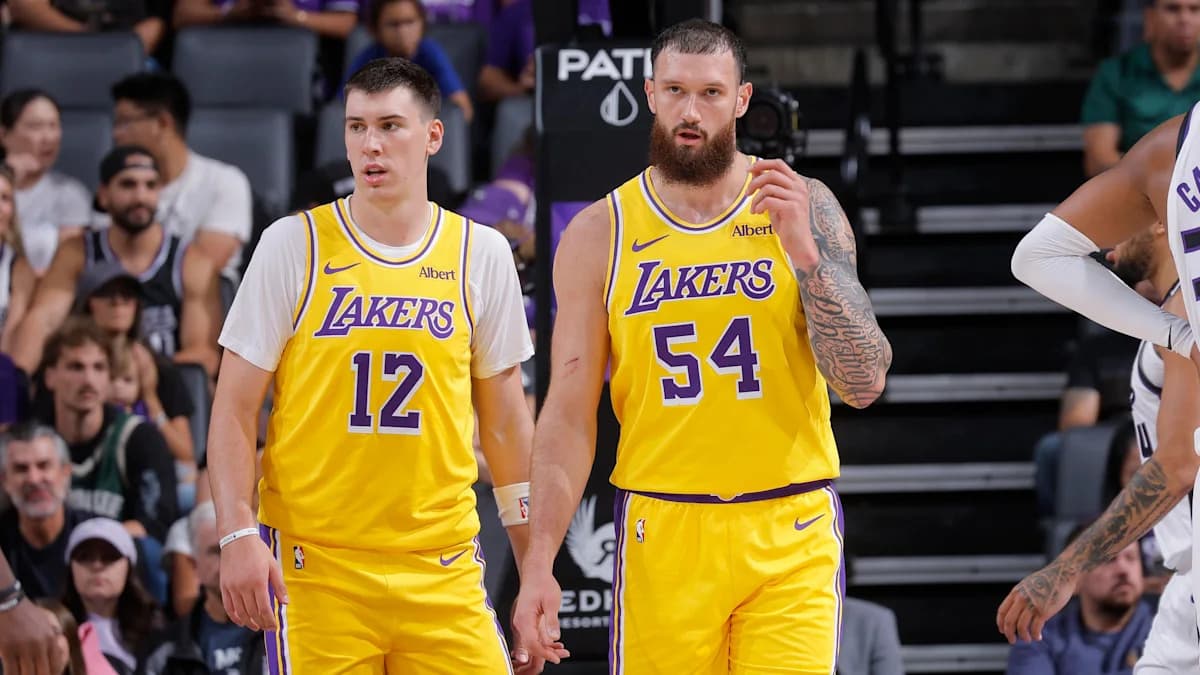
They reportedly put more money on the table. They offered him a starting role. They dangled the chance to line up next to Luka Doncic and Austin Reaves in one of the most scrutinized lineups in basketball. For a 23-year-old wing with tools to spare, that’s usually the dream.
He walked away.
Kuminga chose Minnesota on a two-year deal, turning down the richer Lakers offer to join what he called a “winning culture.” In 2026, that phrase landing in favor of the Wolves over the Lakers raises eyebrows. It also cuts.
For decades, “winning culture” and Los Angeles went hand in hand. Titles, banners, legends. Minnesota? That was the place stars left, not the place they chased.
Yet right now, the standings and the rosters tell a different story.
The Wolves have stacked Anthony Edwards with LaMelo Ball, signaling a franchise leaning hard into contention. They’ve built a young, aggressive core, and they’re coming off seasons where they’ve actually mattered in late spring. That matters to a player trying to reboot his career.
The Lakers, meanwhile, remain in flux, even with the arrival of Doncic. They’re trying to bridge eras, patch holes and satisfy expectations that never dip below “contender.” To a young forward who’s already bounced around, that might look less like stability and more like a risk.
Ryan Ward of Sports Illustrated framed it bluntly. On paper, Kuminga fit what the Lakers needed: a starting-caliber wing who could slide in next to Doncic, bring length, athleticism and two-way potential, and address a glaring roster need. But his comments about culture, Ward suggested, reveal where his head is as the 2026-27 season approaches.
The Lakers didn’t just miss out on a talent. They got a glimpse of how they’re viewed right now.
A Tempting Talent, Troubling Track Record
Strip it down to the basics and Kuminga checks every box front offices crave. He’s young. He’s big enough to guard up, quick enough to guard down. He can score, slash, switch, and when locked in, he can change possessions at both ends.
He also comes with a file.
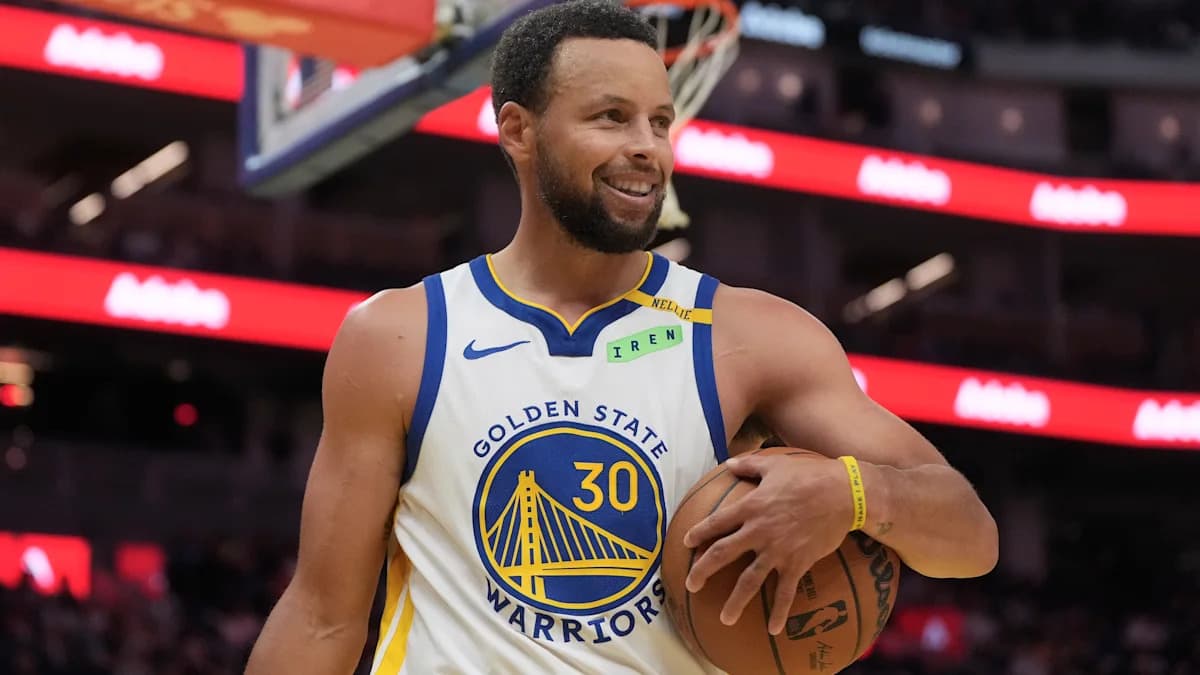
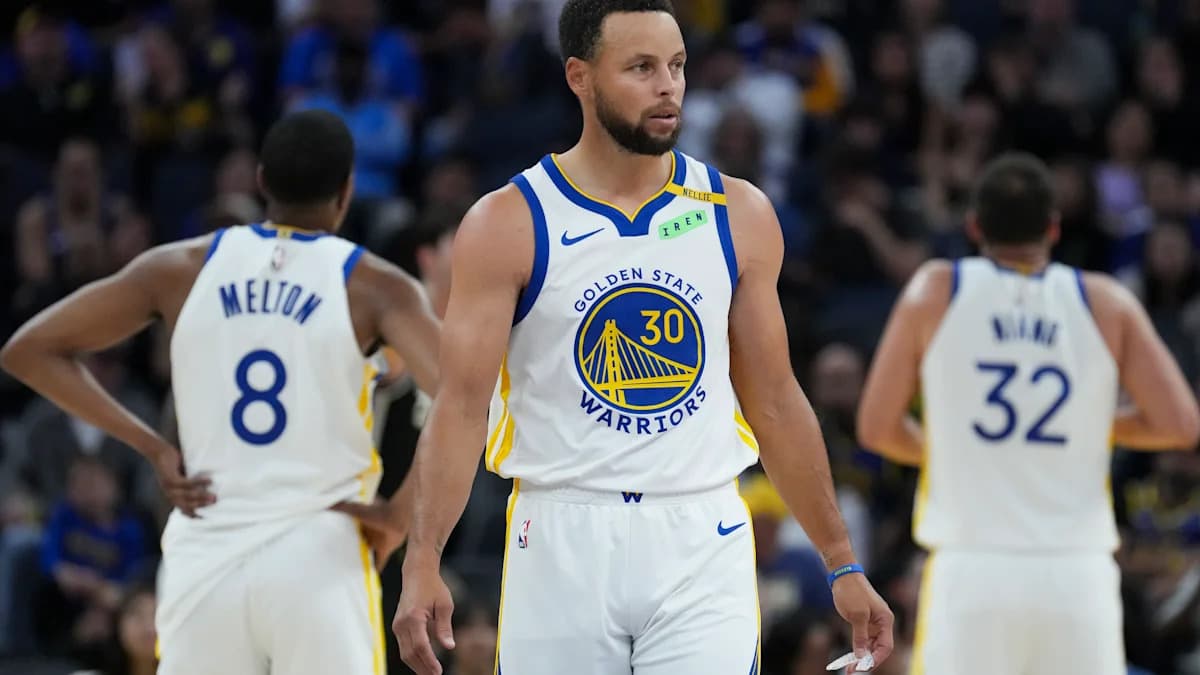
Golden State, the franchise that drafted him and once envisioned him as part of their bridge from the Steph Curry era, chose not to keep him long term. That’s one warning light. Atlanta, his next stop, went further. The Hawks declined his team option, effectively telling the league they didn’t see enough to commit to his future.
Two teams, both with reputations for developing young talent in different ways, moved on from a 23-year-old with clear upside.
Ward called it a “major red flag.” It doesn’t automatically brand Kuminga as a problem, but it forces any suitor to ask hard questions. Is this a system fit issue? A role issue? A mentality issue? Or all of the above?
For the Lakers, who are trying to build around a superstar in his prime and can’t afford another long-term misread, that history matters. Kuminga might have been a coup if it all clicked. He also could have become a costly gamble in a locker room that can’t carry many.
The fact they didn’t sprint to close the deal, even with an obvious need on the wing, says plenty. They wanted him. They didn’t need him the way they need a starting center like Walker Kessler. That hierarchy of needs ultimately shaped their risk tolerance.
Minnesota, more secure in its core and trajectory, could afford to bet on the upside. Los Angeles, still juggling timelines and pressure, chose caution.
Life After Kuminga: The Wing Plan in L.A.
Missing out on Kuminga doesn’t leave the Lakers empty-handed at the position. It just leaves them with a different type of answer.
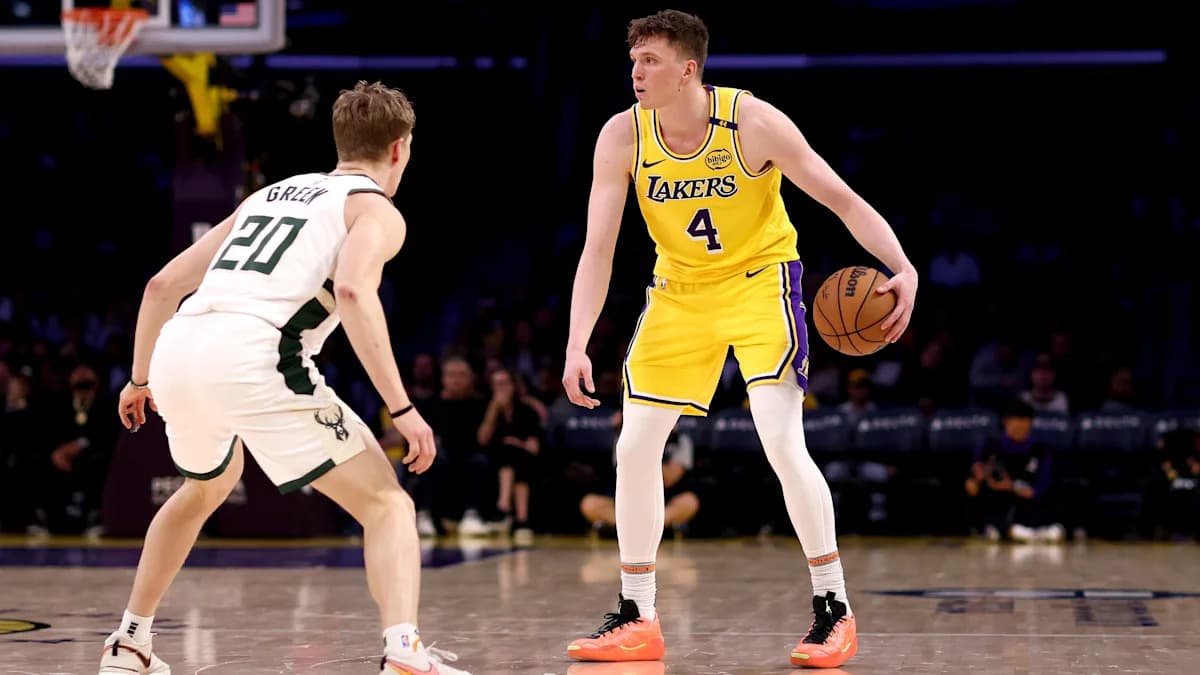
Quentin Grimes, acquired this summer, currently holds the starting wing spot. He’s not as big or as explosive as Kuminga, but he arrives with more seasoning and a clearer identity. Grimes knows what he is: a defender, a shooter, a worker who doesn’t need the ball to impact a game.
For a team that now belongs to Doncic’s decisions and rhythms, that matters as much as raw athleticism.
Grimes also isn’t walking into a completely foreign situation. He shared a locker room with Doncic for half a season in Dallas, a small but useful bit of shared history. He’s seen the demands, the ball dominance, the tempo. He understands what it means to play off a heliocentric star and still carve out value.
That’s the kind of fit the Lakers have often struggled to find around their lead men in recent years. Not the biggest name. Not the flashiest athlete. Just the right piece.
Could Kuminga have grown into that role? Possibly. Could he have chafed at it, searching for a bigger slice of the offense and a louder voice in the hierarchy? That’s the risk L.A. just dodged.
The front office still has work to do. The market for wings is never quiet, and the Lakers will keep listening, probing, waiting for a star or a snug fit to shake free. But for now, the rotation is what it is: Grimes on the wing, Doncic and Reaves in the backcourt, and a gaping need for a reliable anchor at center that overshadows everything else.
Kuminga’s decision stings the ego more than the depth chart.
The real question isn’t whether the Lakers will miss him. It’s whether, a year from now, when Minnesota leans on their new forward in meaningful games and L.A. looks back at another season of scrutiny, “winning culture” still feels like a phrase that belongs somewhere else.