Japan Prepares for Historic Cricket Match Against India
On the edge of a typhoon, with clouds rolling in over Sano, Alan Curr was doing jobs that don’t usually sit on a COO’s desk.
Early Sunday, the Japan Cricket Association’s chief operating officer was out on the square, hauling covers off the wicket. A little later he was tying down hospitality tents, running through security plans and walking the boundary of a ground that normally seats 500, trying to imagine it as a stage fit for the reigning T20I world champions.
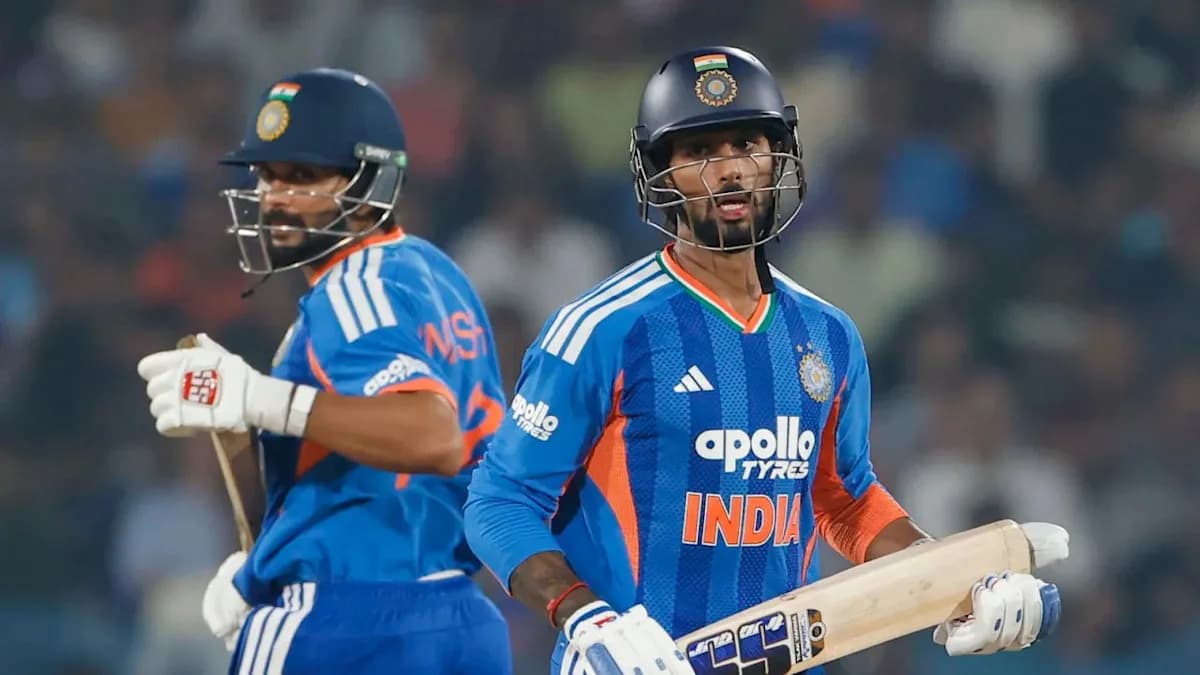
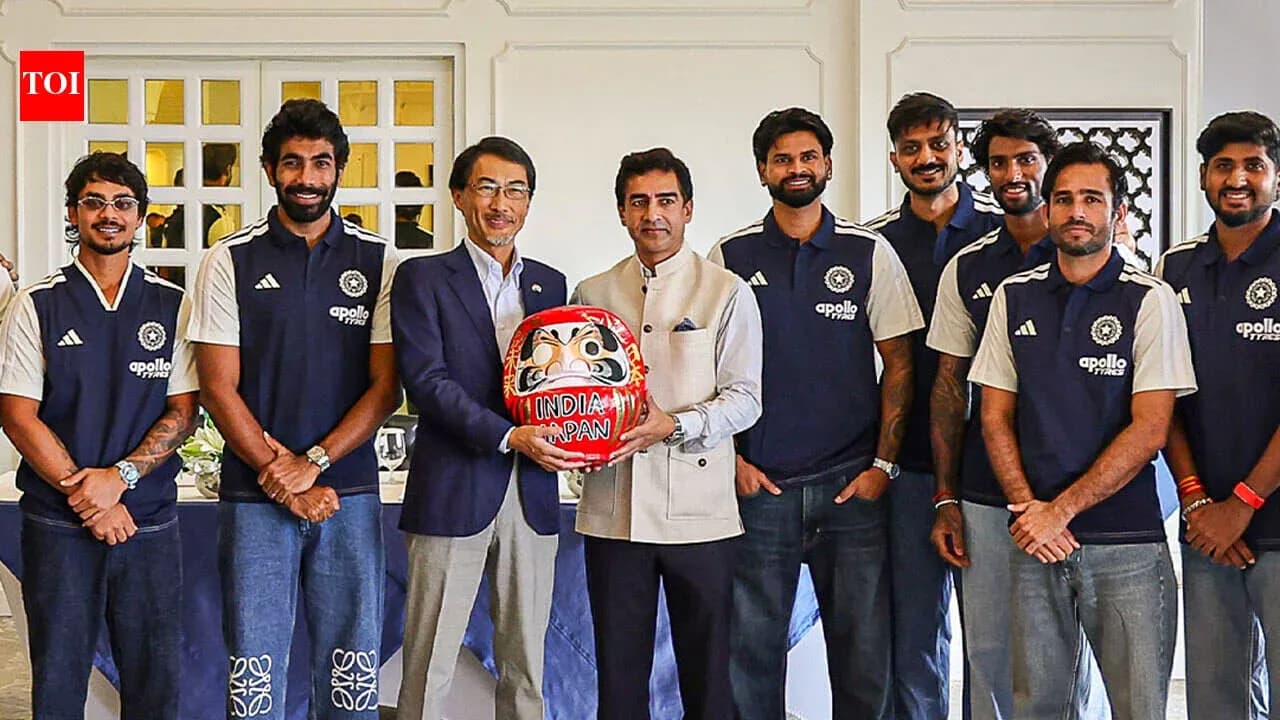
By Tuesday, weather allowing, India will walk out there to face Japan in the country’s first-ever men’s senior international against a Full Member. For Japanese cricket, the result will be a detail. Getting India to turn up at all is the real landmark.
“A lot of success has almost already happened,” Curr said, speaking to select media in the build-up. India have agreed to come. Japanese media are suddenly interested. A sport that has lived for decades in the shadows is about to get its loudest introduction in years.
Cricket’s long presence, late awakening
Cricket is not some brand-new curiosity in Japan. It arrived in the 1870s. It simply never learnt to shout.
In a sporting culture dominated by Baseball, Football, Sumo Wrestling, Basketball, Golf, Tennis and Boxing, cricket has lived on the margins, nudged along by enthusiasts and expatriates. India’s visit changes the volume. This is not a development tour or an age-group side. This is the No. 1 ranked T20I team in the world, the current world champions, dropping into a country where many sports fans have never watched a single over.
“It certainly helps to say that the reigning world champions, the No. 1 ranked team in the world, are coming to Japan,” Curr said. Interest has spiked. Phones are ringing. But he knows this is only the start. Cricket still sits a long way from the mainstream Japanese sporting audience the JCA wants to reach.
The calendar, though, has been kind. Just days after India’s visit, cricket returns to the Asian Games in Aichi-Nagoya. For the JCA, that offers something priceless: context. A chance to explain a niche sport through one of Japan’s most recognisable multi-sport events.
“The Asian Games gives cricket legitimacy that it didn’t have before,” Curr said. “You can’t be what you can’t see.”
Quiet growth, Japanese mindset
While the spotlight only now begins to swing towards Sano, the foundations have been slowly laid.
When Curr arrived in 2014, Japan had around 3,000 registered cricketers. Today, that figure has climbed to 8,800. The Japan Cup, the country’s T20 competition, has exploded from barely a dozen teams to more than 80. The domestic 40-over league stretches across four divisions.
This has not been some overnight rush. It has been patient, almost methodical.
“Kaizen is the word,” Curr said. Continual improvement. A deeply Japanese idea, applied to a very un-Japanese sport. “That’s what we’re trying to do for the sport. But now and again there are moments like this where you can accelerate that.”
This week is one of those moments.
Winning hearts, not the scorecard
On the field, the reality is blunt. Japan know what they are up against.
“This India team is pretty good,” Curr said, almost as an understatement. For players who have never operated at this level, the step up will be brutal. The odds are lopsided. No one in Sano is under any illusions.
So the JCA is measuring success differently. Not in runs or wickets, but in impressions left on a crowd that, for many, will be watching live cricket for the first time.
Curr points to Japan’s women’s team as the template. At the recent Asian Games, they drew praise for staying back after their match against India, thanking supporters, mixing with fans, making the occasion feel open and personal.
That is the identity he wants the men’s side to project now.
“We want cricket to be played hard but also be accessible and friendly,” he said. “We want cricket to be fun.”
If thousands of first-time spectators leave Sano remembering more than just India’s star power, if they remember the way Japanese players smiled, fought, signed autographs and bowed in thanks, then Japanese cricket will have hit its target for the week.
A match born from clay
The remarkable thing is that none of this was part of some master plan to lure India.
It started with dirt.
Eighteen months ago, the JCA decided to relay the turf square at Sano. They called Sri Lanka Cricket for help. An SLC groundsman flew in, tested soils, and helped identify the right clay to build proper wickets. Those same specifications were then used to construct the Asian Games venue in Nagoya.
At some point, the thought landed: if Japan now had international-quality pitches, why not invite the best?
Once the square was completed in March, the JCA put together a proposal and sent it to every Full Member ahead of the ICC conference in Edinburgh. It was an ambitious move, the kind that often disappears into inboxes.
This time, it didn’t. Conversations with the BCCI began in Scotland and, to Curr’s surprise, moved quickly.
“The BCCI were really keen to have an opportunity to train,” he said. “It’s huge credit to them that they’re excited about coming here and building this relationship with the JCA.”
The schedule lined up neatly. With the Asian Games starting days later, India’s men would otherwise have spent almost a week waiting for their knockout fixture, short of proper cricket facilities. Sano offered a ready-made solution: a training base, and then, as the idea grew, a match.
Now all of it rests under a grey Japanese sky, with fingers crossed that the typhoon stays away.
On September 22, at 9:30 am IST, India vs Japan will go out live on FanCode. For India, it is a tune-up before a medal push. For Japan, it is something else entirely.
It is a chance to show a nation what cricket looks like when it finally steps into the light.