.svg&w=384&q=75 "logo")
Issy Wong and Mady Villiers Spark England's Comeback
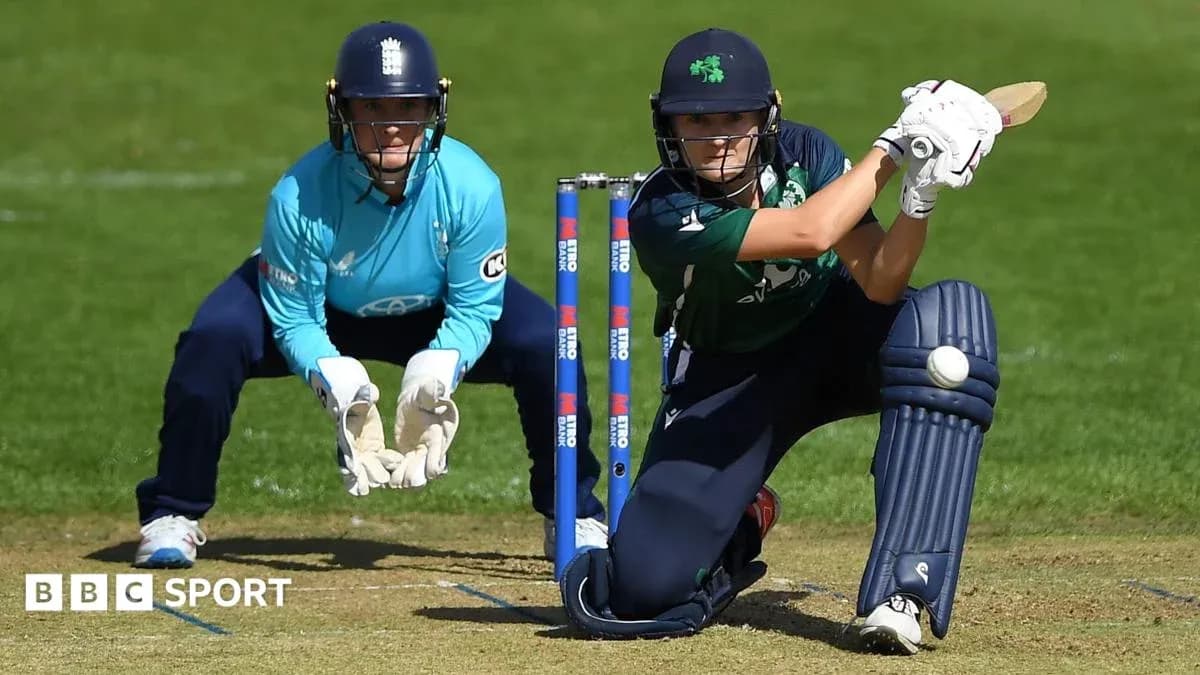
For a long, tense stretch, Ireland’s innings drifted dangerously close to a statement score. Gaby Lewis was cruising, Orla Prendergast looked ominous, and England’s bowlers were searching for rhythm as much as wickets.
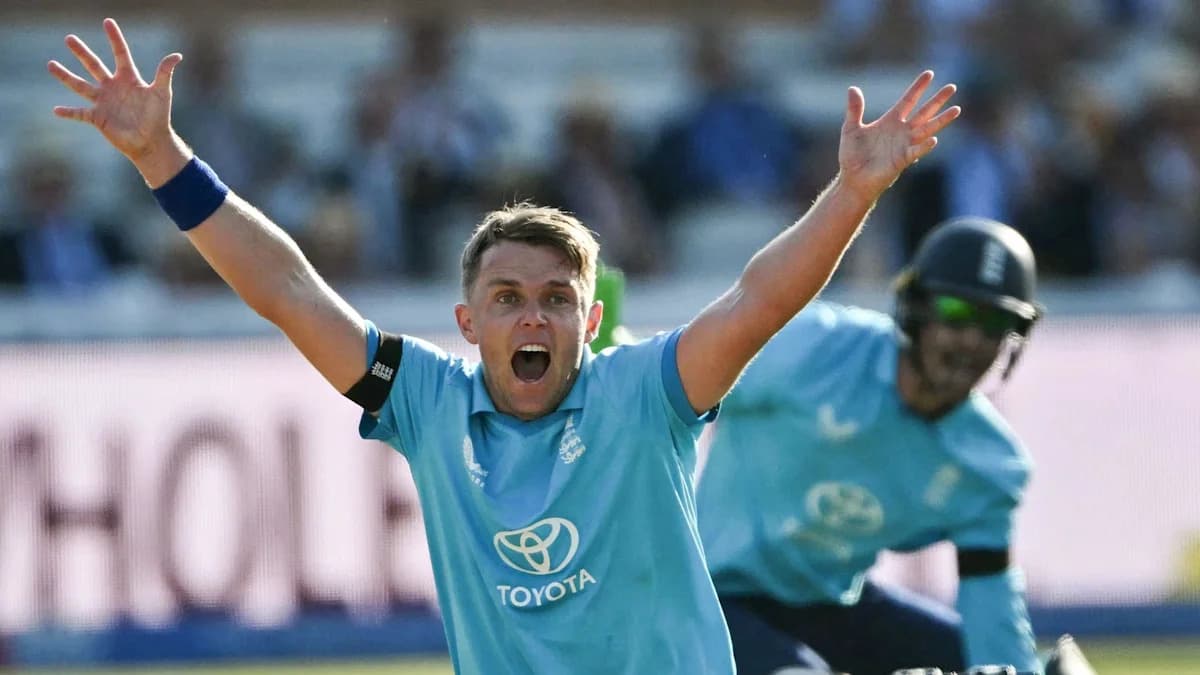
Then Issy Wong and Mady Villiers ripped the script up.
Wong, who had looked ragged early on, found her stride the moment she switched ends. The change was subtle; the impact was not. Her run-up smoothed out, her length tightened, and suddenly the same bowler who had been spraying it around was hammering away at the stumps.
The reward came in a flash.
Lewis, on 69 and the backbone of Ireland’s effort, shaped to play as she had all day. Wong, with a bit of fizz off the pitch and just enough nip, threaded the ball through bat and pad. Middle stump rocked back, the sound of timber echoing the shift in momentum. Wong took off in celebration, a breakthrough that England desperately needed with Ireland 149-2.
It felt like a release. Ireland had been 165-2, then 156-2 with England still searching, but Lewis’ dismissal opened a crack. Prendergast, such a dangerous presence, was kept pinned on nought as Wong suddenly looked every inch the strike bowler England wanted her to be. The wayward stuff vanished. The shoulders loosened. The contest sharpened.
At the other end, Villiers was already embroiled in her own battle.
From the moment she came on, the off-spinner looked the most threatening of England’s slow bowlers. The numbers backed it up: she was turning the ball more than any of her team-mates – 2.8 degrees compared to Tilly Corteen-Coleman’s 2.2 and Charlie Dean’s 2.0 – and she kept attacking the stumps, challenging them roughly once every four deliveries. It wasn’t just control; it was intent.
The pressure finally told on Prendergast. Ironically, not with a perfect ball but with what Katherine Sciver-Brunt bluntly called a “horrible dragdown”. Villiers dropped short, Prendergast pounced and absolutely nailed it. On most days, that sort of clean strike disappears into the stands.
Not this time.
Maia Bouchier, patrolling deep mid-wicket, read it perfectly. She made ground to her right, tumbled, and clung on to a superb low catch. Prendergast gone for 19, Ireland suddenly 172-3 instead of accelerating unchecked. A poor delivery, a pure strike, and yet the fielding turned it into a pivotal wicket.
Villiers’ spell carried a bit of her personality with it. She has always looked like a cricketer who enjoys the scrap, and it showed again here. Even in the field she refused to switch off, sprawling full-length to her right to prevent a boundary off the final ball of her over. Small moments, but they fed England’s energy as Ireland’s innings moved from dominance to something more fragile at 174-3.
England’s standards behind the stumps matched that lift. Alice Capsey, only in her second professional match as a wicketkeeper at any level, stood up to the stumps to Wong and handled a rising delivery near her shoulders with impressive composure. It was the sort of take that keeps a bowler brave enough to pitch it up and hit the deck, and it underlined why voices inside the England camp have been so bullish about her potential in the role.
Not everything clicked. Corteen-Coleman, operating with a packed off-side field, leaked boundaries with the ball too wide outside off. One such delivery disappeared to the rope and was compounded by the call of no-ball, a costly lapse on a day when Ireland’s top order punished looseness.
But the spine of England’s response came from that combination of Wong’s resurgence and Villiers’ relentlessness. Ireland had threatened to run away with it; instead, key wickets fell just as the innings was poised to explode.
If this is what England’s next generation of bowlers and keepers can produce under pressure, the real question is how consistently they can summon it when the stakes climb even higher.