.svg&w=384&q=75 "logo")
Irfan Pathan's Sunday Jibe as India Defeats Pakistan in Asia Cup
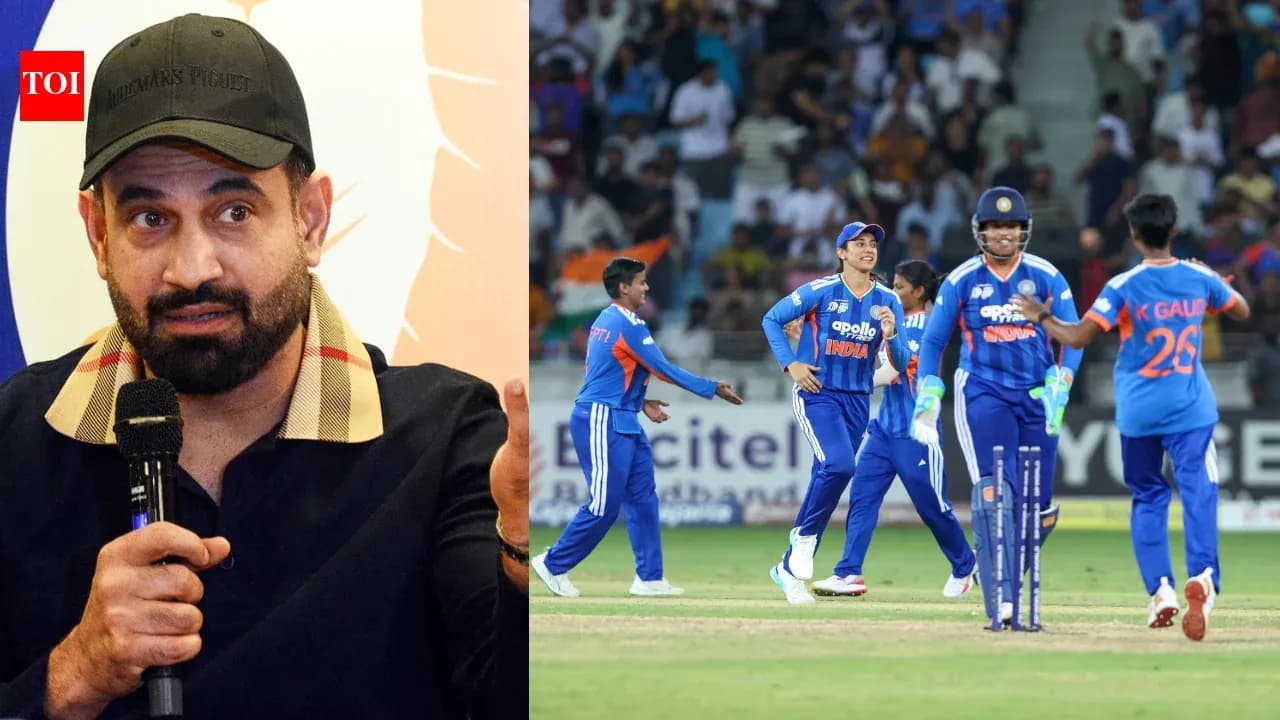
The game was barely over when Irfan Pathan struck. Not with ball in hand this time, but with four words on a screen.
“Aaj Sunday hai kya?”
One short line on X, and the former India all-rounder had once again tapped into a running joke that cuts straight to the heart of the India–Pakistan rivalry. The post exploded across social media within minutes of India’s seven-wicket demolition of Pakistan in their Women’s Asia Cup 2026 Group A clash on Saturday.
It was no random quip. Pathan was reaching back to a taunt that became a theme last year, when India beat Pakistan’s men in three T20Is on consecutive Sundays. Each time, he had needled across the border with: “Sunday kaisa raha padosiyo.” The phrase stuck, a weekly reminder of dominance. This time, the women supplied the ammunition.
Spin twins rip through Pakistan
On the field, the contest was over long before Pathan opened his app.
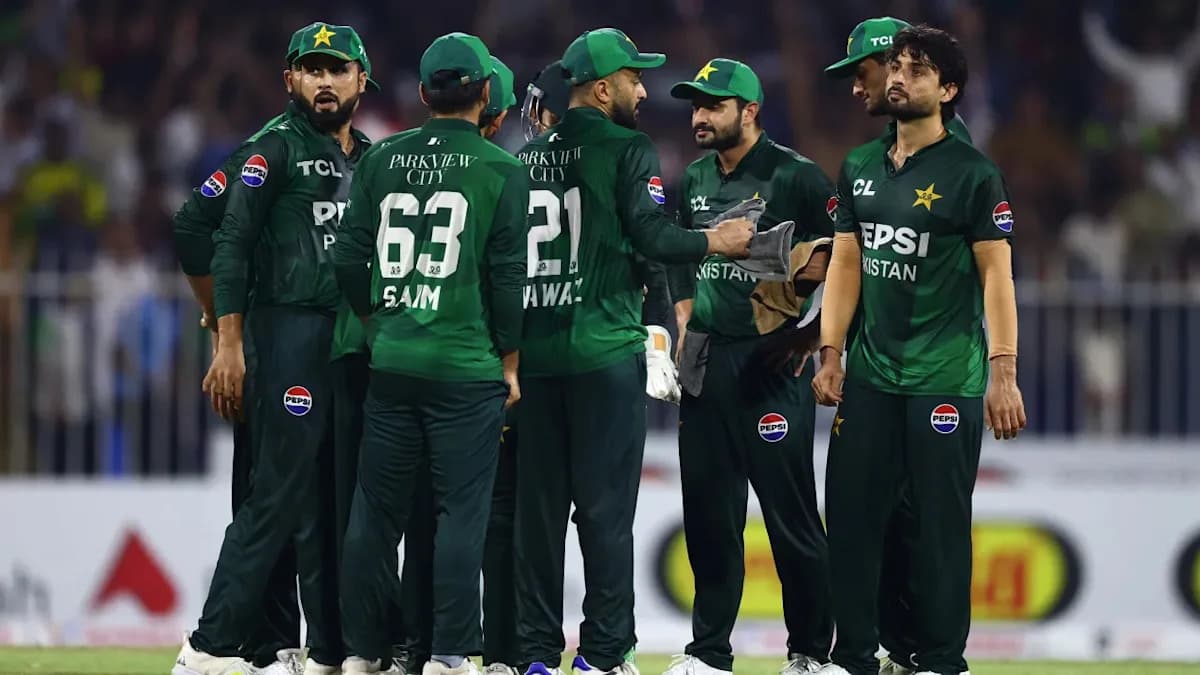
Pakistan stumbled to 55 all out in 18.1 overs, their lowest total in T20 cricket, as India’s young spinners tore through the line-up. What began as a steady start turned into a collapse of the kind that scars dressing rooms.
At 27 without loss in just over four overs, Pakistan looked settled. Muneeba Ali on 13, Shawaal Zulfiqar on 14, both finding their feet. Then the surface began to talk, and Harmanpreet Kaur listened.
Sensing turn, the India captain turned to her spinners. The game flipped almost instantly.
Shree Charani, just 22 and bowling left-arm orthodox, settled into a ruthless rhythm. She finished with extraordinary figures of 3 for 7 from her four overs, suffocating Pakistan’s middle order. At the other end, 24-year-old leg-spinner Prema Rawat matched her for menace, returning 3 for 9 in four overs.
The pressure told in numbers as brutal as any headline. Pakistan went from 27 without loss to 36 for 6 after 10 overs, losing six wickets for just nine runs. Every over felt like a fresh interrogation.
Shafali Verma chipped in with 1 for 10 from three overs, and Deepti Sharma closed the innings with 2 for 5 in 3.1 overs. Between them, India’s bowlers sent down 78 dot balls in 18.1 overs — more than 13 overs’ worth of deliveries where Pakistan simply could not score.
That is not just domination. That is control.
Harmanpreet’s milestone and the finishing blow
If the bowling display belonged to India’s spin brigade, the day itself carried Harmanpreet Kaur’s name.
The India captain became the first international skipper — man or woman — to lead the country in 150 T20Is. It is a landmark born of endurance and evolution, and she marked it with a performance that reflected both.
Her tactical call to unleash spin once she saw the pitch gripping the ball broke Pakistan’s early composure. Then, with the bat, she walked out to ensure there would be no wobble in a modest chase that could so easily drift.
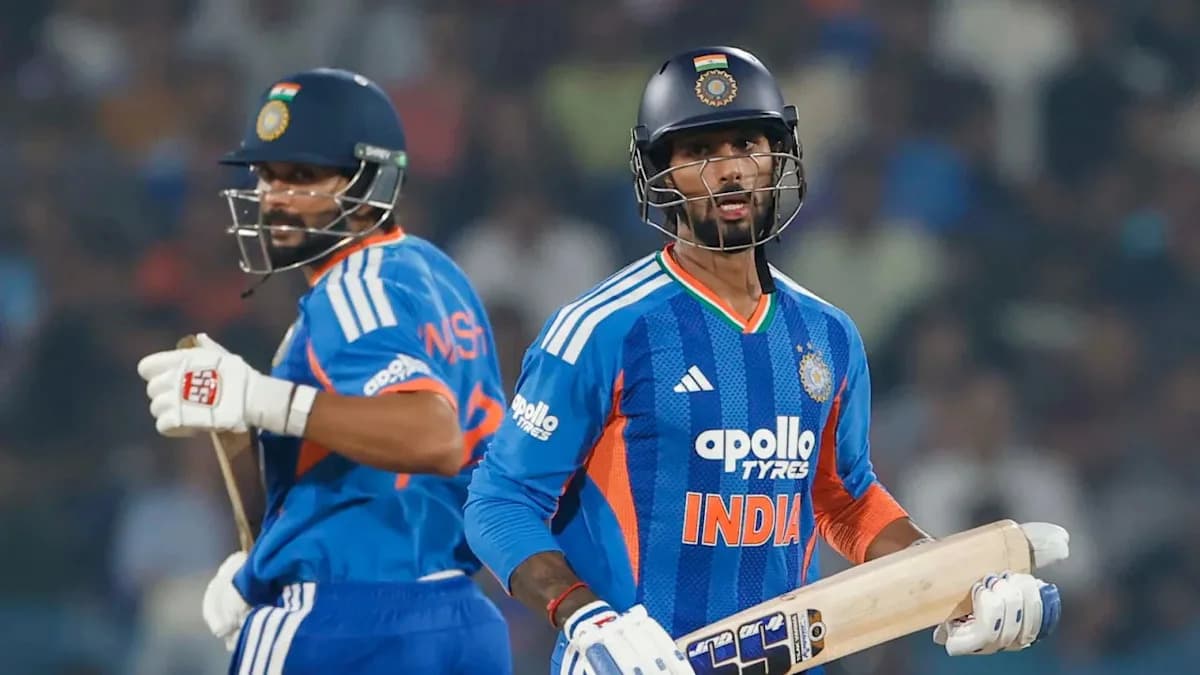
India lost Shafali Verma for 12, Smriti Mandhana for 9 and Pratika Rawal for 4, but the target of 56 never looked in doubt. The innings moved with the calm inevitability of a side that has been here many times before.
Harmanpreet stayed unbeaten on 18, Deepti Sharma on 12 not out, and the end came in fitting fashion: the captain launching the winning six straight down the ground. India reached 56 in just 8.4 overs, another emphatic win sealed with a flourish rather than a nudge.
A rivalry with a familiar script
This result did more than hand India two points. It reinforced a pattern that has grown harder to ignore in the Women’s T20 Asia Cup.
India have now won seven of their eight matches against Pakistan in the tournament’s history. Pakistan’s lone victory stands as the exception, not the rule, in a rivalry that on paper screams tension but on the field has so often tilted one way.
Saturday was another entry in that file: India ruthless, Pakistan overwhelmed, the gap in execution stark.
No wonder Pathan’s “Aaj Sunday hai kya?” landed with such force. India didn’t just beat Pakistan. They did it with enough time and authority left over for an old taunt to feel perfectly, almost inevitably, timed.
The question now is not what India can do in this tournament. It is who, if anyone, can stop them when their spinners grip a surface and their captain smells blood.