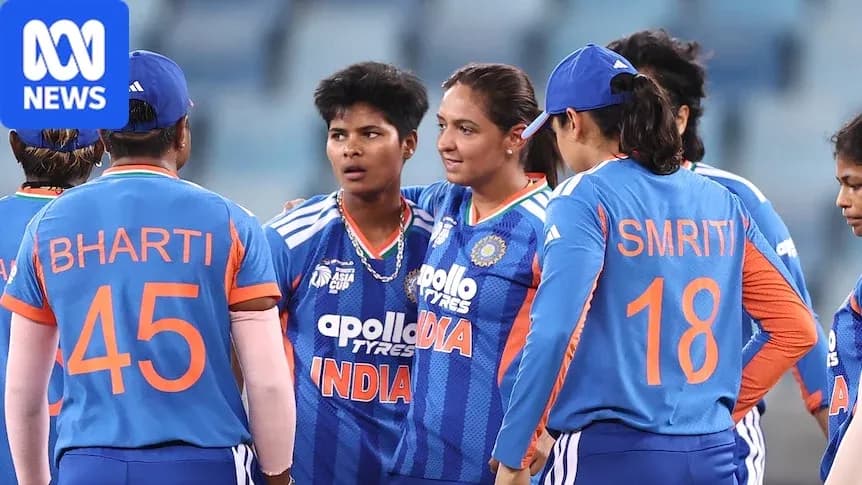
India's Women Secure Eighth Asia Cup Title Amidst Ceremony Controversy
The Asia Cup trophy stood waiting under the Dubai lights, but the champions never came for it.
India’s women had just crushed Sri Lanka by 72 runs to seal a record eighth Asia Cup title, a performance so dominant the cricket almost felt like a subplot. The real drama unfolded after the last wicket fell.
Champions Walk Away From the Stage
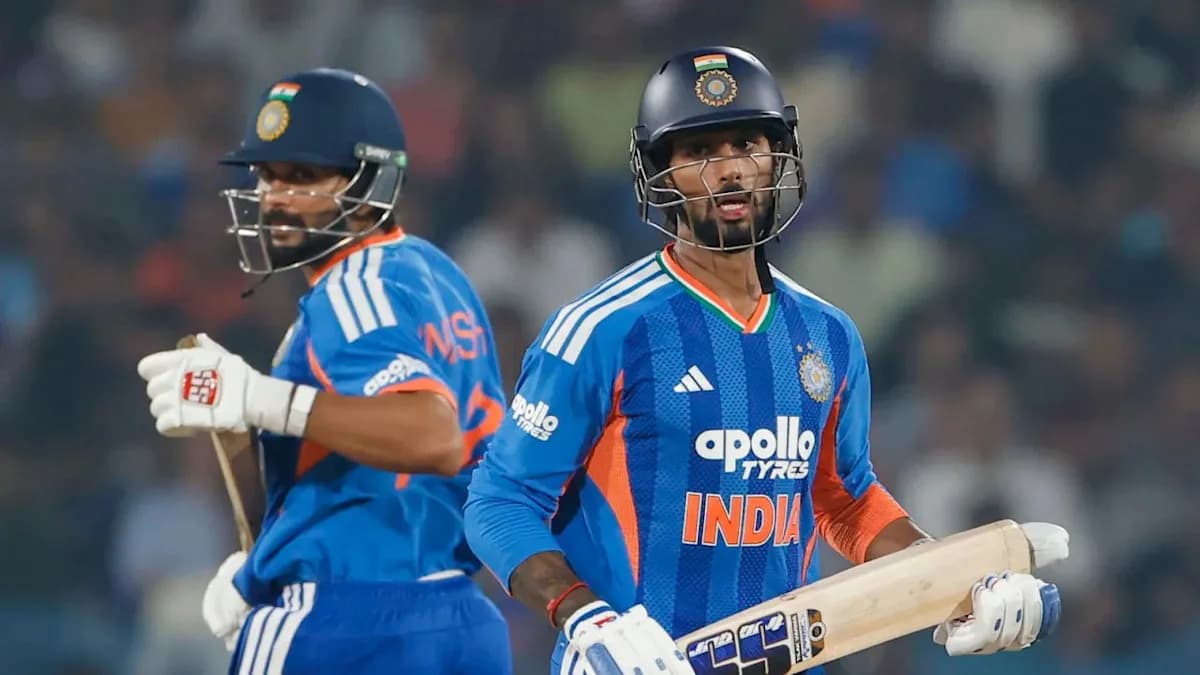
India won the toss, piled up 5-183, and then rolled Sri Lanka for 111 in 20 overs. On the scoreboard and on the big screen, there was no debate: India, champions of Asia.
Normally, what follows is scripted. Teams line up, medals are handed over, the captain lifts the trophy, confetti, photos, handshakes. Instead, the presentation ceremony stalled.
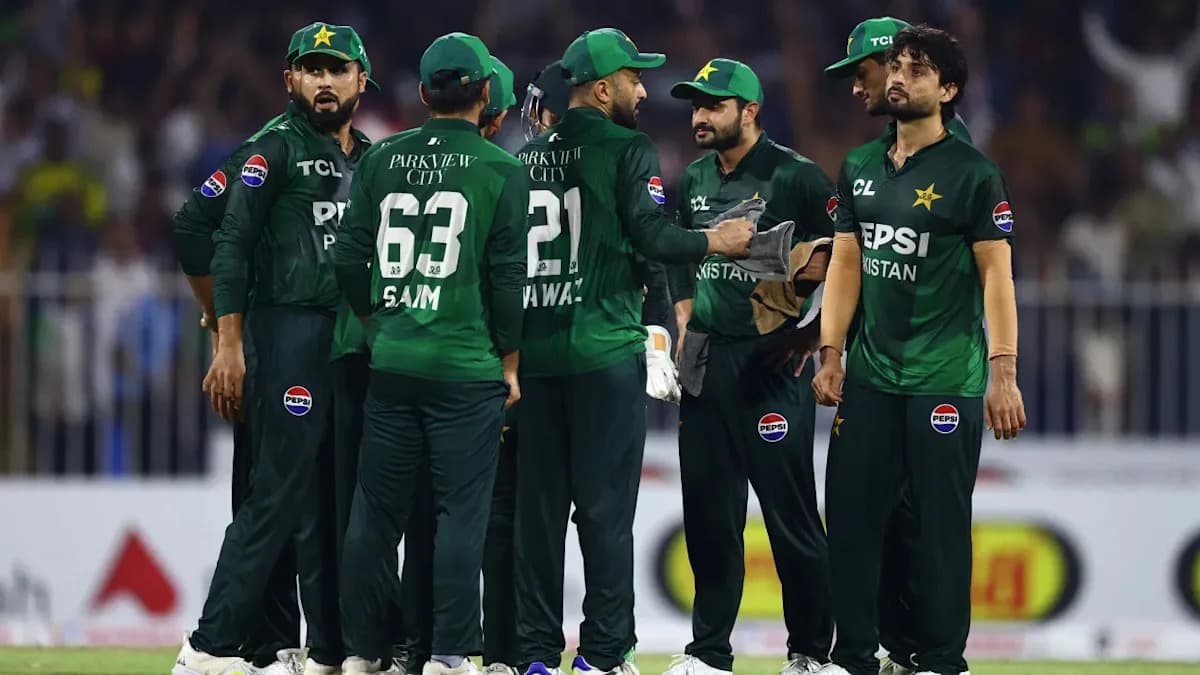
For nearly an hour, the official podium stood ready. On it, Mohsin Naqvi — chairman of the Pakistan Cricket Board, head of the Asian Cricket Council, and Pakistan’s interior minister — waited alongside ACC officials. The champions did not.
While the formal ceremony hung in limbo, India held its own moment. On the field, away from the dais, Board of Control for Cricket in India (BCCI) secretary Devajit Saikia stepped in to present the best fielder medal to Nandani Sharma. It was a telling image: India staging its own celebration, on its own terms.
Up on the stage, Naqvi and the ACC delegation remained in place, medals and trophy undelivered. Social media footage showed the Indian players leaving the field entirely, never approaching the officials, never reaching for the silverware they had so clearly earned.
A Ceremony Without Champions
The presentation that did go ahead looked oddly incomplete.
Medals were handed to the Sri Lankan players. Match officials received their honours. Naqvi presented the runners-up cheque to Sri Lanka captain Chamari Athapaththu. Then it was over. No Indian captain hoisting the trophy, no collective shot of the winners with the dignitaries. The ceremony simply fizzled out, the main act missing.
India’s stance was later underlined, if not expanded on, by head coach Amol Muzumdar.
“This is BCCI's stand [to not take trophy from Naqvi]. We can't say anything on this,” he said.
He made it clear the symbolism of the absent trophy did not trouble his dressing room.
“India are officially the champions. Trophy or no trophy doesn't matter to us.
“For us, this tournament is over, we are the champions. That's good enough. It was on the big board that India are the champions of Asia Cup 2026.”
The message was blunt: recognition on the field and on the scoreboard mattered more than a handshake on the stage.
Cricket Caught in the Crossfire
This was not a one-off flashpoint. It was the latest, and perhaps most visible, act in a wider stand that has dragged the sport deep into the slipstream of India–Pakistan political hostility.
Cross-border tensions between the two countries brought them to the brink of war last year. The rancour has seeped steadily into cricketing protocol — the handshakes, the medal lines, the photos that usually feel ceremonial, not political.
Indian players have already refused to shake hands with their Pakistani counterparts at several tournaments. They have turned away from medals and trophies presented by Pakistani officials before. What happened in Dubai was consistent with that pattern, only magnified by the stage and the stakes.
The men’s side set the tone earlier. Suryakumar Yadav’s team beat Pakistan three times in the Asia Cup, including the final, yet refused to accept the trophy from Naqvi and declined handshakes with Pakistan players after any of the three matches.
The women followed the same line during the tournament. They did not shake hands with the Pakistan team after their group game, a move Muzumdar addressed at the time.
“That stand has been taken by BCCI and we stand by it,” he said then.
On Sunday night in Dubai, that “stand” moved from the boundary rope to the heart of the podium.
A Title, and a Fault Line
Strip away the politics and the cricketing story is straightforward: India remain the dominant force in women’s Asian cricket, their eighth title underlining a gap in quality that Sri Lanka could not bridge.
But nothing about this final will be remembered as straightforward.
The scorecard will show a 72-run win and another trophy secured. The images will show something else: an empty stage, a waiting official, and a champion team choosing to celebrate away from the spotlight that usually crowns such nights.
In a region where every Indo-Pak encounter carries a weight far beyond sport, the question now is not whether India can keep winning Asia Cups. It is whether cricket can ever again be just about runs, wickets and trophies when the act of accepting a medal has become a statement in itself.