.svg&w=384&q=75 "logo")
Indian Cricket's Crucial Meeting: Assessing the Future
Indian cricket’s power brokers will gather in Mumbai on Thursday for a meeting that carries more weight than the bland, agenda-less notice suggests.
On paper, it is just a review. In reality, it is a stock-taking exercise after a bruising few weeks that have dented the aura of the newly crowned T20 World Cup champions.
Big names, big questions
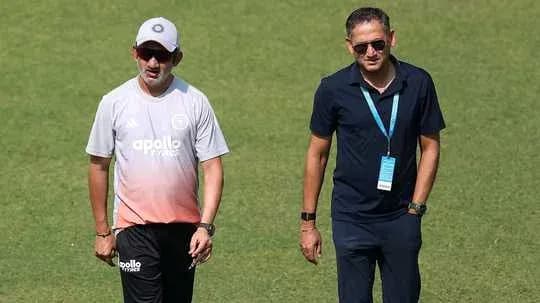
Head coach Gautam Gambhir, chief selector Ajit Agarkar and Centre of Excellence head VVS Laxman will sit across the table, with BCCI secretary Devajit Saikia convening and presiding over the discussions. All are expected to be there in person. No screens. No buffers.
Late on Tuesday, another name was added to that room: Shubman Gill.
The India Test and ODI captain has been invited and will attend in person. Those close to the situation indicate he is treating the meeting as far more than a formality – he wants a say in shaping the calendar ahead, and he wants his assessment of the recent tours heard directly.
Shreyas Iyer, the T20I skipper, will also be part of the conversations, though it is not yet clear whether he will walk into the Mumbai room or dial in virtually. One way or another, all three format leaders will have their voices in play.
Ireland, England and a harsh reality check
At the heart of the review lies a simple, uncomfortable truth: India’s white-ball sides were hammered in Ireland and England.
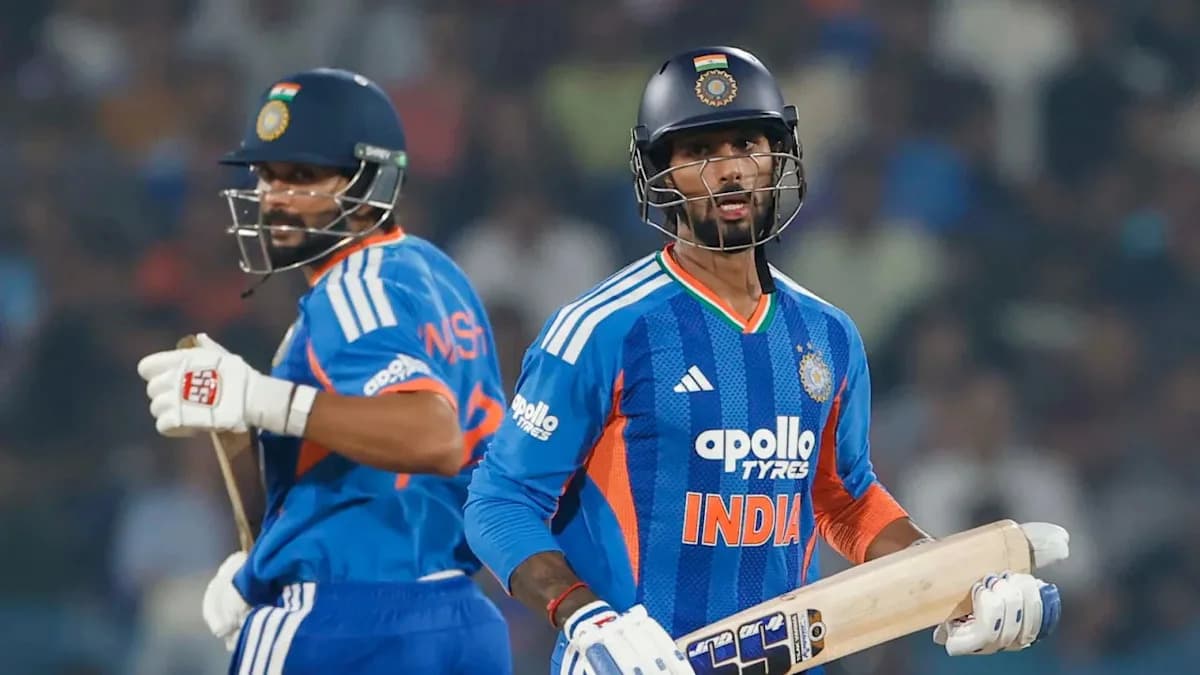
Fresh from lifting the T20 World Cup, the same setup failed to win a single one of the six completed T20Is on those tours. The champions suddenly looked anything but. The BCCI had publicly promised a review, and this is it.
Back in July, with the England white-ball series already slipping away, Saikia tried to frame the slump as a phase rather than a crisis.
“The BCCI is currently observing the performance of the Indian T20 team which has not been up to the mark in the ongoing series against England. However this is not something abnormal and can happen in international cricket. We consider it as a purely bad phase,” he said then.
Thursday’s gathering will test that assertion. Was it only a bad phase, or a sign that selection, workloads, and tactical planning need a harder reset?
Rohit Sharma and the fault line at the top
Hovering over the meeting is the name that refuses to leave any Indian cricket conversation: Rohit Sharma.
Reports suggested the selectors did not see him as part of the 2027 ODI World Cup plans and that the Lord’s ODI would be his last in the format. The BCCI moved quickly to deny that, a rare and pointed intervention that hinted at a lack of alignment between the board and its own selection committee.
That fault line cannot be ignored in a room that includes Gambhir, Agarkar, Laxman and Saikia. Rohit’s future – in ODIs, and by extension his broader role in the set-up – is expected to be one of the most sensitive strands of discussion. The board wants clarity. So does the dressing room. So does the country.
Thursday may not deliver a public verdict, but it should at least decide the direction.
New Zealand, WTC and 2027 on the horizon
The meeting is not only about cleaning up the recent mess. There is a demanding road ahead.
India travel to New Zealand for a full multi-format tour: five T20Is, five ODIs and two Tests. Conditions there have often exposed Indian touring sides, and with a World Test Championship cycle in progress, those two Tests carry weight beyond the scoreline.
The group in Mumbai will also examine India’s current standing in the WTC table and what administrative or structural tweaks might be needed to sharpen Test performances: scheduling, rotation, and the role of the CoE in feeding ready-made red-ball players into the system.
Beyond that looms the 2027 ODI World Cup. Four years sound distant, but planning for personnel, leadership and succession cannot wait much longer. The balance between backing senior names and fast-tracking the next core will sit at the centre of those long-term conversations.
Agarkar, Laxman and the selector question
There is another layer of intrigue.
Recent speculation has swirled around Ajit Agarkar’s future as chief selector and the possibility of VVS Laxman stepping into a larger role with the national team. None of the parties involved – not the BCCI, not Agarkar, not Laxman – has spoken publicly on the subject.
Still, the timing of this high-powered review, and the presence of all three in the same room, has only fuelled talk that some clarity may finally emerge. Will the selection panel be backed fully, restructured, or subtly reined in? Will Laxman’s responsibilities grow beyond the CoE?
Those are not questions that can be dodged indefinitely.
India arrive at this Mumbai summit as T20 world champions who have just been thrashed in T20Is, with a legendary captain’s future under debate and a heavy away tour on the horizon. By the time the doors open again, the direction of the next phase of Indian cricket may look very different.