.svg&w=384&q=75 "logo")
Indian Cricket's Unique Challenge at Asian Games 2023
In Aichi-Nagoya this September, India’s cricketers may find themselves living a very different Games experience from the rest of the country’s athletes. If they do, the message from the Indian Olympic Association is blunt: you’re on your own.
The BCCI, long used to five-star bubbles and bespoke logistics, is weighing up whether to accept the Asian Games organisers’ official accommodation or move both men’s and women’s teams into separate hotels. The IOA has made it clear that any such move will be entirely the cricket board’s call – and its responsibility.
“We treat all sports, athletes, coaches and the entire delegation equally,” IOA CEO Raghuram Iyer told TOI, underscoring the line. If the BCCI wants something different, it will have to build that world itself.
BCCI weighs comfort against control
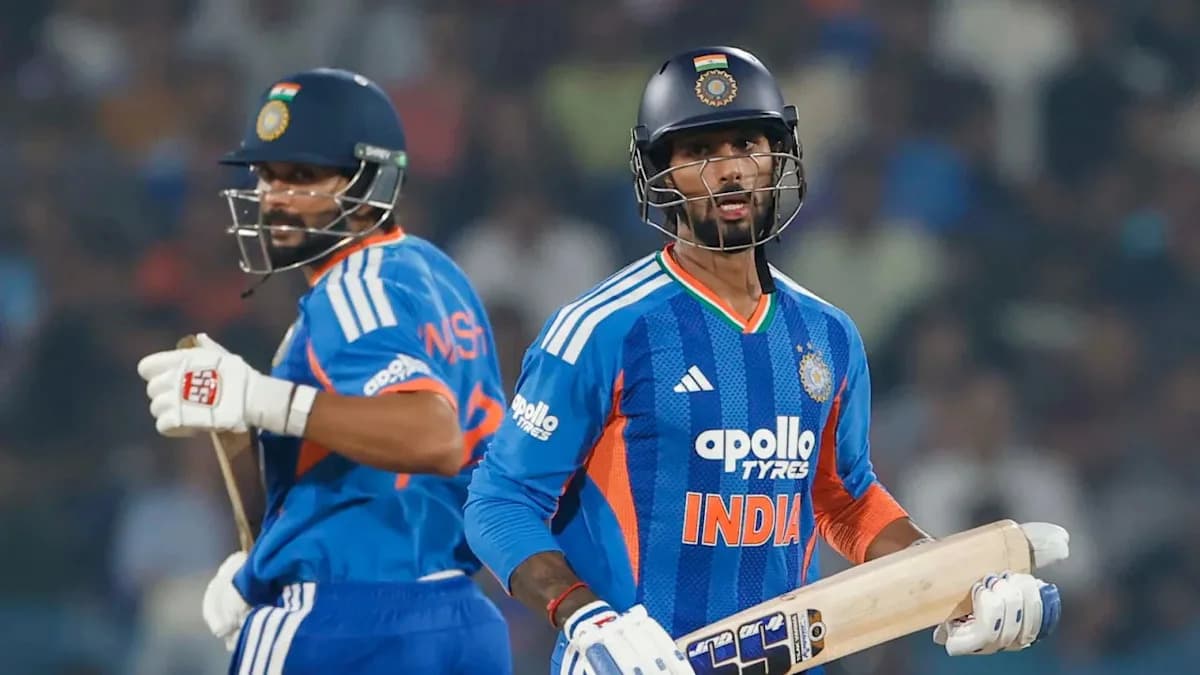
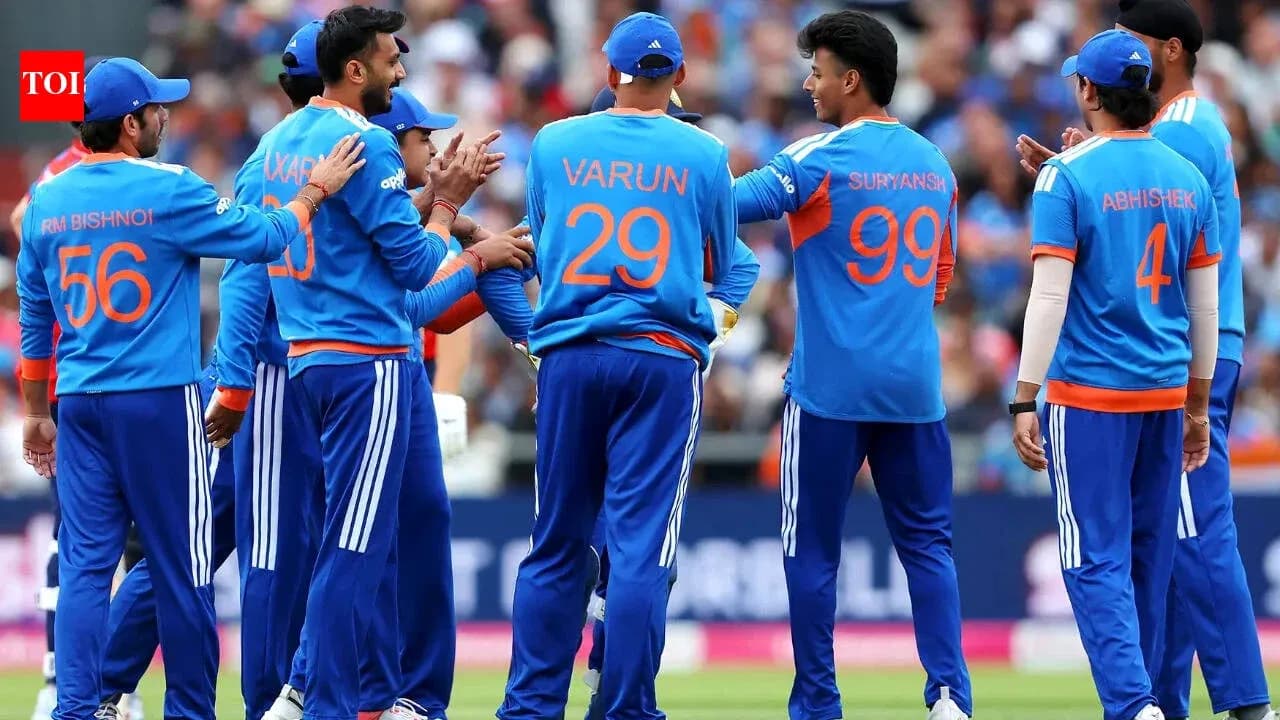
The organisers have already slotted India’s squads into their accommodation grid. The men’s team, led by Shreyas Iyer, has been allotted the three-star APA Hotel Nagoya Ekimae. Harmanpreet Kaur’s women’s side has been assigned the four-star Meitetsu Grand Hotel. Both hotels tick the basic boxes: location, facilities, access. What they don’t offer is the luxury Indian cricketers have grown accustomed to, or single-occupancy rooms.
Twin-sharing is standard at multi-sport events. For the BCCI, it is one of several sticking points.
Hemang Amin, the BCCI CEO, has already opened a channel with the IOA, and an advance team from the board will fly to Japan early next week. Their brief is simple and unforgiving: walk through the hotels, the cricket venue, the transport routes, the dining halls. Then report back on whether India’s biggest sporting property can live with what’s on offer.
If the answer is no, the consequences are significant. The BCCI would have to source its own hotels in an already stretched Aichi-Nagoya market, handle bookings, pay the bills, arrange tailored food, and run its own transport network to and from the cricket ground. The board would also have to guarantee that players reach the venue well before toss time, without the cushion of the organisers’ centralised bus schedules.
The IOA will not step in to negotiate separate deals for cricket. Its remit, as Iyer repeatedly stressed, is the entire Indian contingent across 36 sports, not the bespoke needs of one.
Tight timelines, tighter logistics
The calendar adds another layer of pressure.
Harmanpreet’s side returns from the Asia Cup in Dubai on September 13 and is scheduled to fly out to Nagoya the very next day. India’s women go straight into the Asian Games quarterfinals on September 18, with their tournament wrapping up by September 22. There is no group stage to play themselves in, no spare days to iron out glitches.
The men’s team has a slightly later window. They depart on September 21, open their campaign directly in the quarterfinals on September 28, and are due back on October 4. Two squads, two travel blocks, one board trying to overlay its own logistical grid on top of an already complex Games operation.
Complicating matters is the sheer scale of the event. Aichi-Nagoya planned for around 15,000 athletes and coaches. That number is now expected to swell to roughly 17,000. Hotels are full. Organisers are bringing in mobile accommodation and even the Costa Serena cruise ship to cope.
In that environment, finding “suitable alternatives” for two Indian cricket teams is not as easy as calling a travel agent. Every extra demand has a knock-on effect. Every change of plan risks fraying the edges of a finely stitched schedule.
Inside the Games, even if outside the village
Even if the BCCI pulls its teams out of official hotels, India’s cricketers will not be detached from the Asian Games ecosystem.
Any separate stay would still sit under the Games umbrella. The board would need to route its decision formally through the IOA to the organisers. Accreditation rules would remain strict: no outsider without valid Games accreditation would be allowed into the team hotels, whether they are official properties or BCCI-booked.
Anti-doping protocols would also follow. WADA and the International Testing Agency must know exactly where the players are staying so that random tests can be conducted at their accommodation. A private hotel does not mean a private world.
From the IOA’s perspective, the arrangement is workable as long as responsibilities are clear.
“The BCCI is taking care of its athletes, and sending an advance team is the right way to assess the facilities before making a decision,” Iyer said. “Our objective is that the entire Indian delegation has a comfortable stay and a wonderful experience in Japan.”
The subtext is unmistakable: the IOA will support, coordinate and communicate. It will not customise.
Japan now, Los Angeles already on the horizon
While Japan wrestles with bed space, bus routes and room categories, another host city is quietly sketching out a very different cricket blueprint.
Cricket’s Olympic return at Los Angeles 2028 is still four years away, yet planning is already in motion. Iyer was part of a joint IOA–Sports Authority of India delegation that spent nearly a week in LA recently, meeting organisers and inspecting venues across sports, including cricket.
The proposed cricket venue, the newly built Knight Riders Cricket Ground at the Fairplex complex in Pomona, sits next to the Sheraton Fairplex Suites & Conference Center. The expectation is straightforward: teams will play at one end of the complex and sleep at the other. No frantic hotel hunts, no last-minute shuttles across town.
Major League Cricket games are set to road-test the ground and its surface well before the Olympics, giving athletes and organisers a real sense of what to expect. It is the kind of joined-up thinking India’s administrators are eager to tap into.
“The objective is to ensure athletes can focus only on their performance and do not face logistical issues,” Iyer said of the LA recce. “We are thinking well in advance about their welfare, comfort and acclimatisation, and this is something which is happening for the first time.”
The contrast with Nagoya is stark. One event is fighting to fit everyone in; the other is trying to build a seamless, athlete-first environment years in advance.
A historic stopover before the Games
Before all of that, India and Japan will share a smaller, but symbolically rich, cricketing moment.
On September 22, the men’s teams will meet in a T20I for the Suzuki Cup, marking 75 years of diplomatic relations between the two countries. For Japan, it is a high-profile fixture against one of the sport’s giants. For India, it doubles as valuable match practice ahead of the Asian Games and a first look at conditions in the host nation.
By then, the BCCI’s advance party will have filed its reports, the IOA will know whether cricket is inside the official hotels or on its own track, and the logistical dice will have been rolled.
The question that lingers is simple: in a multi-sport Games built on shared sacrifice and uniform standards, how far will Indian cricket go to keep living by its own rules?