India Survives Japan's Challenge After Controversial Wide Call
World champions are supposed to cruise through dress rehearsals like this. India did anything but.
On a grey day at Sano Cricket Ground, the game was stripped back to its bare bones – five overs a side, one-off T20, a hit-and-run warm-up before the Asian Games. It almost became something far bigger: the day Japan took down the giants.
Instead, India escaped. Just.
They edged home by two runs, defending 32-4 as Japan’s spirited chase stalled on 30-3, a contest decided not by a blazing six or a magic yorker, but by a wide that was given, argued, and then dramatically withdrawn.
A heavyweight line-up, a featherweight total
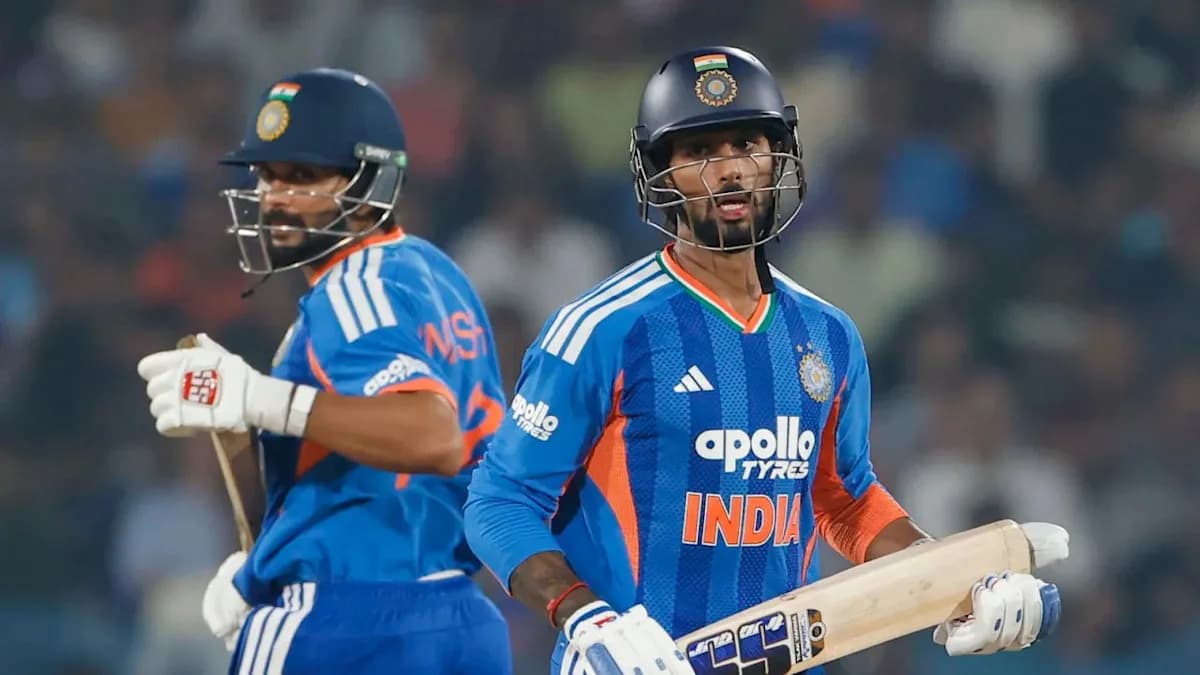
India’s innings never left first gear.
Japan’s bowlers, led by 17-year-old spinner Charlie Hara-Hinze, squeezed the life out of a batting order that usually bullies attacks on the biggest stages. Abhishek Sharma, so destructive in franchise cricket, lasted one ball. Hara-Hinze had him immediately, and suddenly the scoreboard – 14-3 – looked almost surreal.
Shreyas Iyer fought to impose some order. His 16 from 12 balls felt like a minor rescue mission, not the statement knock many expected. He found little support. Boundaries dried up, risks went unrewarded, and India limped to 32-4 from their five overs, Hara-Hinze finishing with 2-17 and a story to tell for the rest of his career.
For Japan, this was no longer a ceremonial outing against royalty. It was an opening.
Japan wobble, then believe
The chase began with nerves. India’s new-ball pressure pushed Japan to 8-2 after two overs, the required rate climbing, the upset drifting away.
Then came the counter-punch.
Over three and four went for 17 runs. Alexander Shirai-Patmore and his partners found a way to pierce the field, to turn dots into ones and ones into twos. The dugout woke up. The tiny crowd sensed something brewing.
Five overs. Thirty-three to win. With one over left, Japan needed eight. Against India. Against a team that has lifted world trophies and walked through far more hostile situations than this. Yet the tension belonged entirely to the favourites.
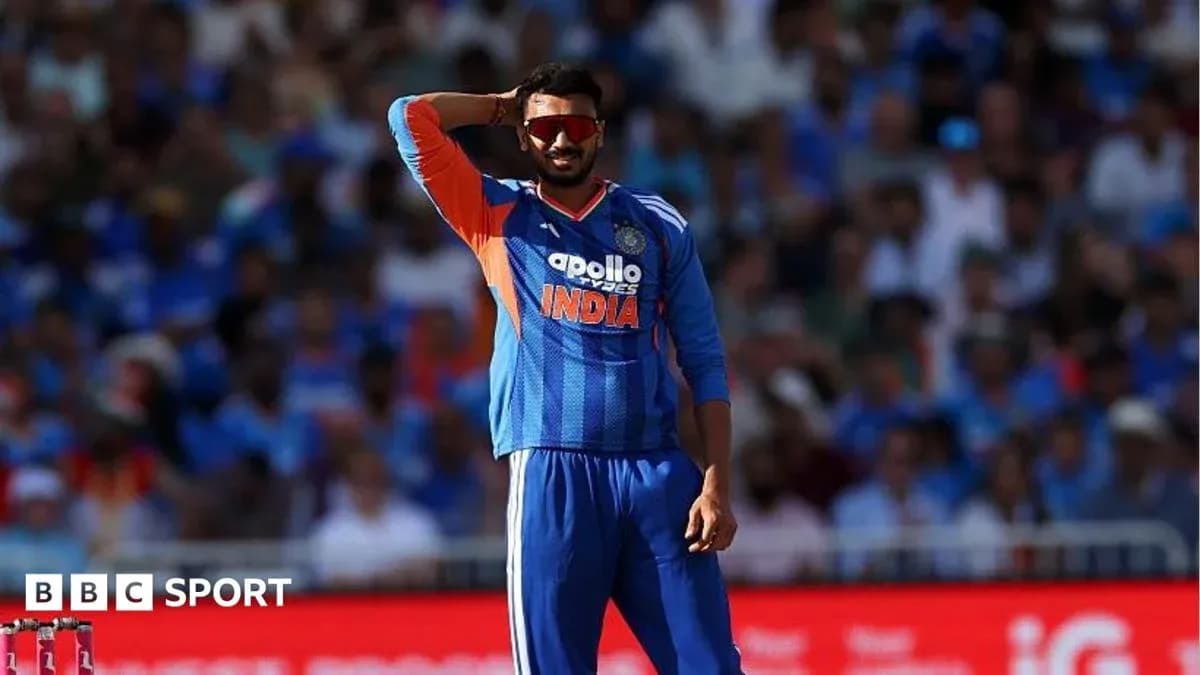
Axar Patel took the ball for the final over. A seasoned left-arm spinner, a man trusted in crunch moments. Japan needed one big blow or a handful of well-run twos. India needed control.
The wide that wasn’t
The over tightened. Singles, dots, the chase slowly suffocating. Then came the flashpoint.
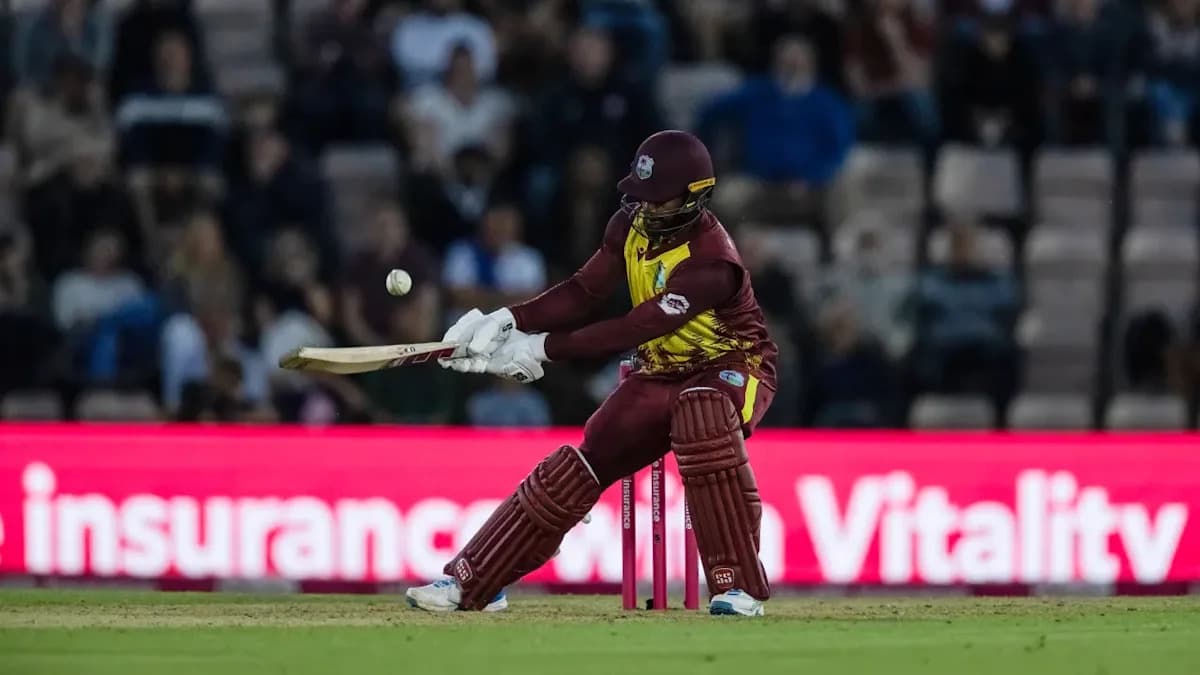
Left-hander Shirai-Patmore set up for the reverse sweep, switching his intent as Axar delivered. The ball drifted down what would normally be the leg side. The umpire’s arm went out. Wide.
Japan’s target shrank. The equation swung. Five needed from four balls. India, suddenly, were staring at a headline they did not want to read.
Axar did not accept it. Nor did Shreyas Iyer. The bowler’s frustration was obvious; the captain joined him, both in animated discussion with the officials. This was not a formal review – there was no DRS in place – but it was a challenge all the same.
The two umpires came together in the middle. A long conversation followed. Then the signal changed. The wide was overturned.
The law, as written in the ICC playing conditions for men’s T20 internationals, backed them. Once a batter changes the position of hands or feet to play a reverse shot, the “normal” off side is judged from that new stance. A wide must pass wide of where the striker is standing and would also have passed wide had the batter been in a conventional position.
By that reading, Axar’s ball was legal. The call, eventually, was correct. The method left a sour taste.
The equation shifted again: six needed from three instead of five from four. In a five-over shootout, that margin is huge.
Axar closes the door
With the reprieve in his pocket, Axar shut the game down. He held his nerve, mixed his pace, and denied Japan the boundary they craved. His final figures – 0-7 from two overs – told the story of control, not carnage.
Japan closed on 30-3, two runs short, the dugout slumping in unison as the final ball failed to find the rope. Agony, not ecstasy, for a side that had dragged the world champions to the brink.
For India, it was a win that felt more like a warning. Their batting had been strangled, their composure tested, their authority challenged by a team playing its first international against them and still waiting for a T20 World Cup debut.
Spirit, law, and a near-upset
The incident will linger. The playing conditions preamble talks about the “spirit of cricket,” and one of its guiding notes – though not a law – asks players to accept the umpire’s decision. Here, that decision changed after a forceful on-field debate, without any technological aid.
Purists will argue the law must be applied correctly, and it was. Others will look at the optics: a global powerhouse contesting a call until it went its way, against a rising associate nation on the brink of a famous win.
Strip all that away, and one thing remains clear. Japan went toe-to-toe with India in a five-over sprint and almost took them down.
This was only a warm-up for the Asian Games, a short, sharp hit-out before the real business starts on 24 September. Yet as both teams left Sano, one question hung in the air: if Japan can push the world champions this close now, what might they do when the stakes climb even higher?