.svg&w=384&q=75 "logo")

Imran Khan’s Sons Discuss Health Concerns in Sky Sports Interview
The cameras were nowhere near a boundary rope when the tension around Lord’s began to rise. It started in a quiet studio, with Mike Atherton sitting opposite Suleiman and Kasim Khan, the sons of Imran Khan, for an 18‑minute conversation that would ripple far beyond the Test match.
The former England captain turned Sky Sports commentator spoke to the brothers on Thursday. They talked about their father’s deteriorating health. They admitted they feared for his safety. They pressed, again, for proper medical treatment for a man who once carried Pakistan to a World Cup and now sits in a prison cell.
By the time viewers were settling in for the day’s play, the interview had already become a flashpoint.
PCB pressure and a broadcast in the balance
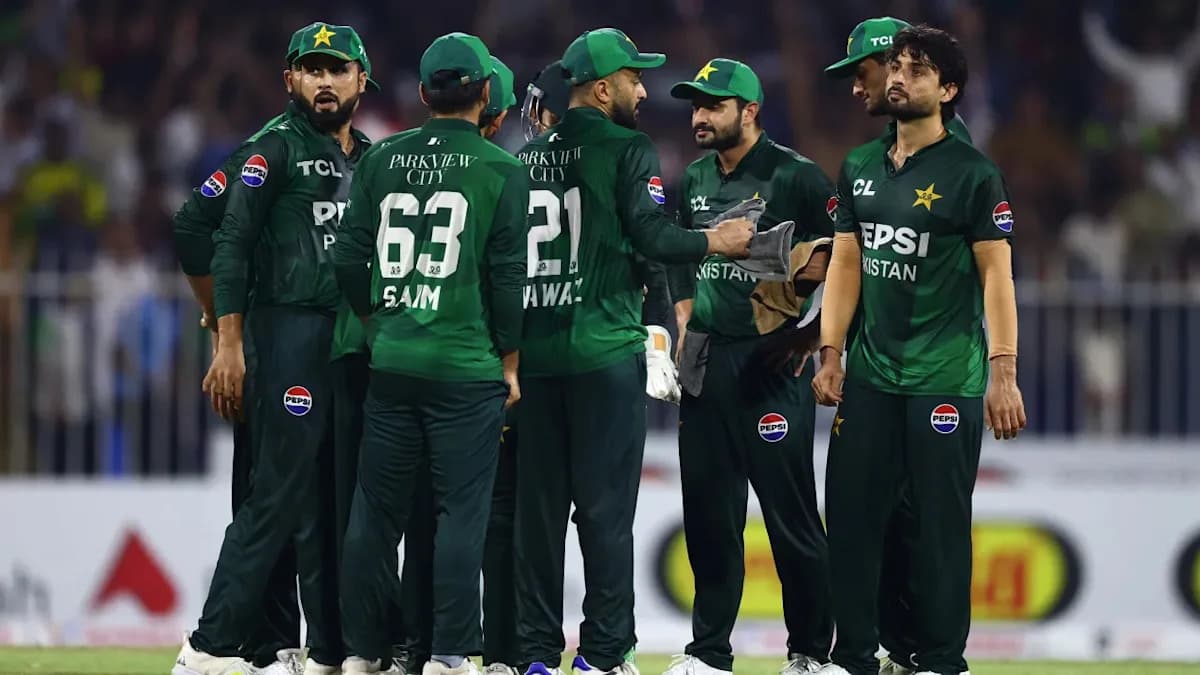
According to Cricinfo, the Pakistan Cricket Board moved quickly. Before lunch, PCB officials contacted Sky Sports and objected to the planned broadcast. The warning was stark: if the interview went to air before the interval, Pakistan’s players might refuse to return to the field after it.
Sky paused. The segment, initially prepared to run earlier, was held back. Only during the lunch break did the broadcaster finally put the interview out in full.
Atherton had recorded the piece a day earlier at Lord’s, on Wednesday, with Sky already trailing snippets of the conversation in its build-up to the Test. The interview never reached Pakistan’s television screens. State broadcaster PTV, which holds the rights for the series, did not show it.
The result was a split-screen reality: one version of the series for the global audience, another for viewers in Pakistan, where Imran’s name still carries the weight of a cricketing dynasty and a political fault line.
Growing alarm over Imran’s condition
The broadcast landed at a moment when concern over Imran’s condition in prison has been rising steadily. His sons have stepped further into the public eye in recent weeks, pushing for better access to medical care for their father, who has been behind bars for around three years.
The situation intensified last week. Pakistan’s Supreme Court ordered that the 1992 World Cup-winning captain be admitted to Shifa Hospital in Islamabad. That ruling appeared clear. The outcome on the ground was not.
Instead of Shifa, Imran was taken to the government-run Pakistan Institute of Medical Sciences (PIMS) for a check-up, then sent back to prison. His sisters and sons say the authorities ignored the court’s directive. They continue to demand that he be examined by his own doctor, not just state-appointed medics.
Those close to him describe a man in a “debilitating” condition. Former players around the world have started to raise their voices.
Captains unite in rare cross-border appeal
The concern has not been confined to family. Last week, 21 former international captains signed a letter to Pakistan Prime Minister Shehbaz Sharif, urging that Imran receive proper medical attention in custody. Atherton’s name was among them.
The signatories came from across cricket’s traditional power base: India, Australia, England, New Zealand, the West Indies. Rivals on the field, united off it by the belief that one of the game’s great figures deserves basic medical care and adherence to court orders.
This was not the first time such an appeal had landed on the prime minister’s desk. In February, 14 former international captains sent a similar letter. Reports say that earlier plea drew no response from the Pakistan government. The silence only sharpened the tone of the latest intervention.
Official denials, unanswered questions
For now, the PCB has stayed quiet in public. No statement. No explanation of why it pressed Sky Sports so hard over an interview with two sons speaking about their father.
The Pakistan government has been more vocal, but in a different direction. Officials have repeatedly rejected allegations that Imran has been mistreated in prison or blocked from seeing his family and legal team. Speaking to the Associated Press last week, the government said Imran had received more than 900 visits from relatives, lawyers and doctors since his imprisonment in August 2023.
On paper, that figure points to access. The counterargument, from his family and supporters, is that numbers do not guarantee quality of care, or compliance with court instructions.
So the questions grow. About a Supreme Court order apparently sidestepped. About a former World Cup-winning captain whose health, according to those closest to him, is fading. About a cricket board willing to lean on a broadcaster to keep an interview off air.
The Test at Lord’s will move on, as Tests always do. Scoreboards will refresh, attention will drift back to runs and wickets. But the image that lingers is not of a cover drive or a seaming spell. It is of two sons, sitting under studio lights, asking the game their father once defined: who is listening now?