Impact of 2023 Venue Switch on 2027 Ashes Tests
The north of England will be without a men’s Ashes Test in 2027 – and the roots of that decision stretch back to a quiet switch made for Australia’s last tour.
What looks like a snub to Old Trafford and Headingley is, in reality, the consequence of a deal struck for 2023.
How a 2023 switch reshaped 2027
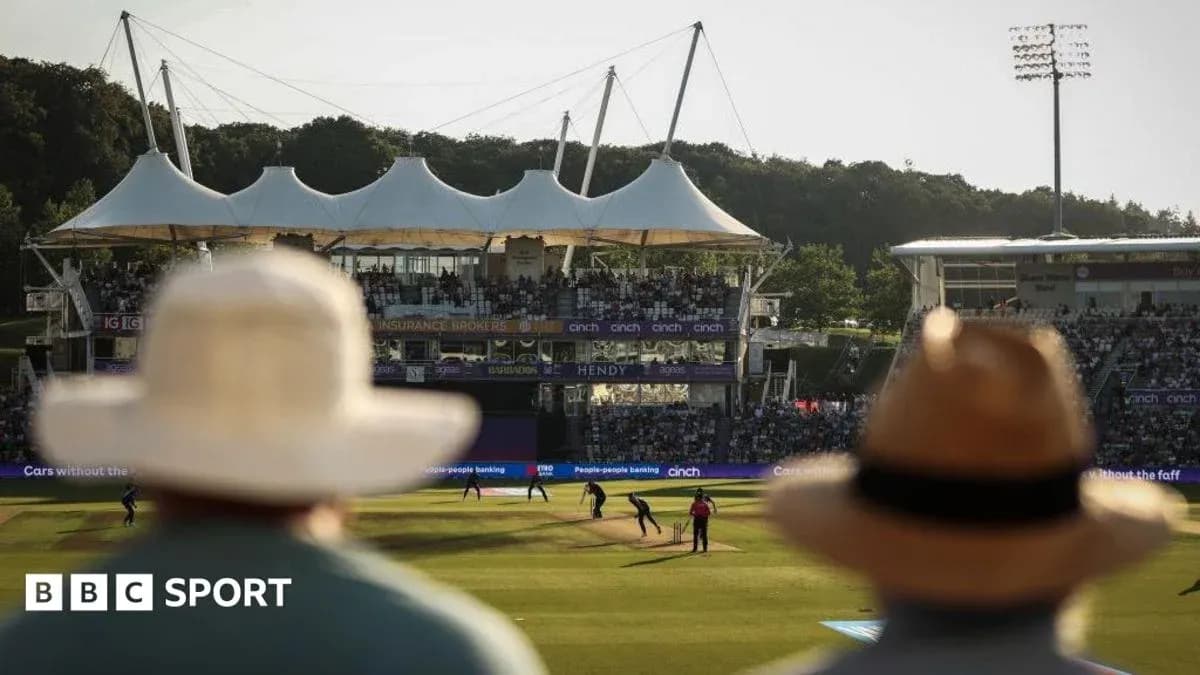
When the England and Wales Cricket Board (ECB) first laid out the Ashes venues for 2023 back in 2018, Southampton was on the list to host Australia. That plan changed. The match earmarked for Hampshire’s ground in Southampton moved to Headingley in Leeds.
The shift came at a price.
Hampshire received more than £1m in compensation from the ECB and, crucially, were later guaranteed an Ashes Test in 2027. That commitment now lands with full force: Southampton will stage its first men’s Ashes Test next year, and there will be no men’s Ashes cricket at either Old Trafford or Headingley in that series.
Neither Hampshire nor the ECB has offered any public comment, but the implications are clear enough. The decision to appease one county for 2023 has effectively locked two northern strongholds out of 2027.
Graves, Headingley and the old tender era
The original 2023 allocations were made under the ECB’s previous ‘competitive tender’ model. Counties effectively bid for marquee matches, putting financial muscle at the heart of the process.
At the time, Colin Graves chaired the ECB. He now chairs Yorkshire and previously held the same role at Headingley. The overlap of influence and venue has inevitably raised eyebrows, yet Graves has insisted he played no part in choosing where the Ashes went.
“I always left the room when their recommendations were discussed by the board. I was not involved,” he told the Guardian.
Whether or not that satisfies critics, the broader system that framed those decisions has already been consigned to history. The ECB has moved away from auction-style bidding and towards a rotation model it argues is more balanced.
Rotation, redress and a southern tilt
The new rotation system, backed by all 18 first-class counties and Marylebone Cricket Club, now governs the allocation of major matches up to 2031. It is designed to spread opportunity, not just reward the biggest chequebooks.
Yet the legacy of the old approach still shapes the immediate future. Hampshire’s compensation and the promise of a 2027 Ashes Test sit squarely in that overlap between eras. The result: a southern venue breaks into the Ashes club, and the north pays the price for a previous reshuffle.
For 2027, Southampton is locked in. Old Trafford and Headingley, both of which hosted men’s Ashes Tests in the last two home series, step aside.
The ECB has already sketched out a correction further down the line. From 2031, it plans to guarantee at least one men’s Ashes Test in the north of England in every home series, with Southampton due to host a men’s Test in every other Ashes cycle.
A different kind of Ashes summer
In the short term, the geography of England’s fiercest cricket rivalry looks noticeably altered.
Next year, the most northerly men’s Ashes Test will be at Trent Bridge in Nottingham. For a contest so steeped in northern imagery – packed stands at Headingley, raucous days at Old Trafford – that feels like a significant shift in tone as well as map.
There will still be Ashes cricket in Leeds, but not of the kind that usually defines an English summer. Headingley will stage the sole women’s Ashes Test, a high-profile assignment in its own right, but one that arrives in a year when northern fans must travel south for the men’s version of the game’s oldest rivalry.
The ECB insists the rotation era will bring a fairer spread of marquee fixtures. The real test will come when the Ashes cycle turns again: will the north feel restored to its traditional place at the heart of the contest, or remember 2027 as the year the balance truly shifted?