Harry Brook's Stunning T20 Century Leads England to Victory
Harry Brook was supposed to be tired. He was supposed to be on the brink of a breather after a summer spent ricocheting between formats and continents. Instead, under the lights at the Rose Bowl, he looked like the freshest player on the field and turned a routine T20 into a demolition.
By the time he walked off, unbeaten on 114 from just 42 balls, Sri Lanka were dazed, England had 254 on the board, and any talk of resting their captain felt faintly ridiculous.
Brook tears up the script
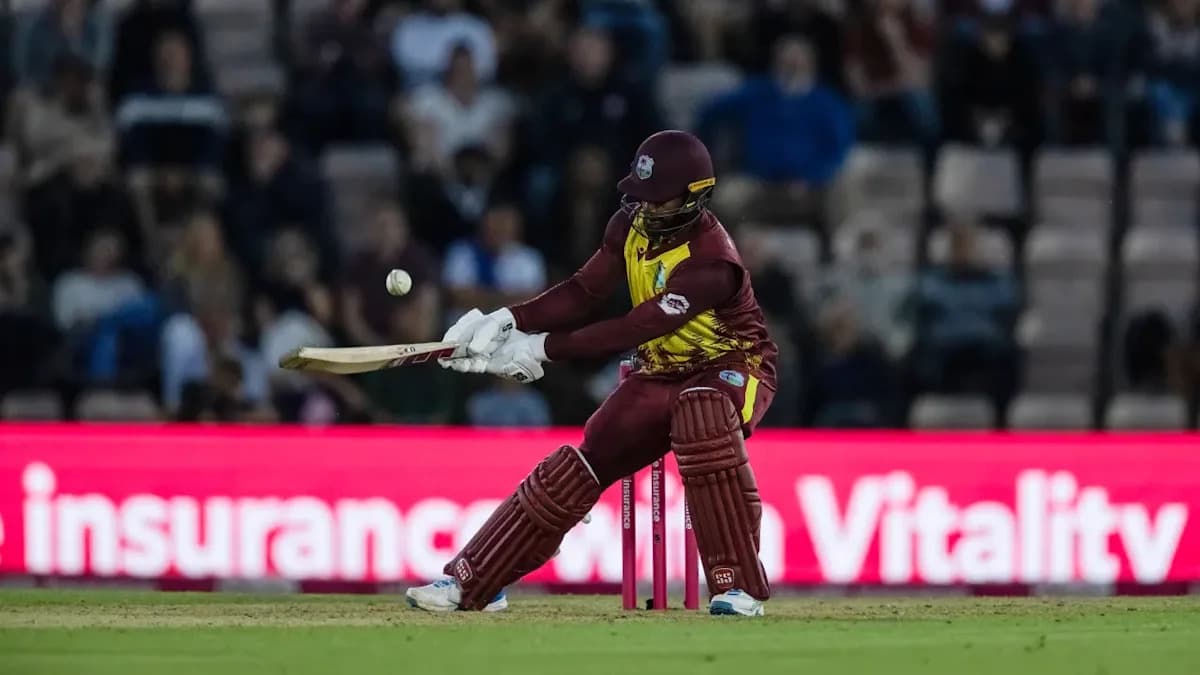
Brook didn’t so much build an innings as detonate one. A third of the balls he faced went to the rope, six of them over it, but this was not a slogger’s hundred. He ran hard, he read the angles, he used every inch of the outfield. When Sri Lanka misfielded, he punished them twice: first with placement, then with the extra runs he carved out with those scurrying twos.
“I’ve been feeling there or thereabouts all summer, in all three formats,” he said afterwards. “I feel I’ve let myself down a couple of times, I’ve had opportunities to get a big score, and thankfully I didn’t give that opportunity up today.”
He didn’t. Once he settled, the contest bent to his will.
This was his second international T20 century, the first having come in Sri Lanka against Pakistan during the World Cup earlier this year, on his debut at No 3 for his country. That move now looks less like a tactical tweak and more like a structural shift in England’s white-ball era. Eight innings at first drop have brought him two hundreds, two unbeaten fifties and an average of 95.2 at a scarcely believable strike rate of 200.84.
Those are not numbers. They are a warning.
Buttler in the shadows, KP invoked
On another night, Jos Buttler would have owned the headlines. He smashed 80 from 44 balls, survived a life on 45, and captained a side that racked up 254. Instead, he found himself playing the supporting role to his own successor as England’s white-ball talisman.
Ben Stokes, watching on and posting on X as the innings closed, called Brook “an absolute freak” and said that “not even the genius of KP could come close to talent-wise”, invoking Kevin Pietersen, now part of England’s set-up as batting mentor. When Buttler, widely hailed as England’s greatest white-ball batter, gets pushed into the shade, you know something rare is happening.
England’s surge had started earlier, with a brief and bold cameo from Aneurin Donald. At 29, he became England’s oldest debutant since Dawid Malan in 2017, and he wasted no time making a mark, launching Maheesh Theekshana for six and four from the final two balls of the opening over. The next ball he faced, though – Dunith Wellalage’s first of the night – was miscued straight down the ground and safely taken. Promise, then a hard stop.
That wicket brought Brook in. Sri Lanka might wish it hadn’t.
Wellalage, buoyed by an over that cost just five and brought Donald’s wicket, stayed on. Brook shredded him. Three sixes, three fours, and any illusion of control vanished. From that moment, England never eased their grip.
A chase over before it began
Sri Lanka had inserted England and hoped for assistance from the conditions. They got none. After six overs, England sat at 90 for one; Sri Lanka’s reply at the same stage read 32 for three. The game wasn’t just tilting. It was gone.
The numbers told the story. Sri Lanka soaked up nearly three times as many dot balls as England and hit just over half as many boundaries. In modern T20, that’s a death sentence.
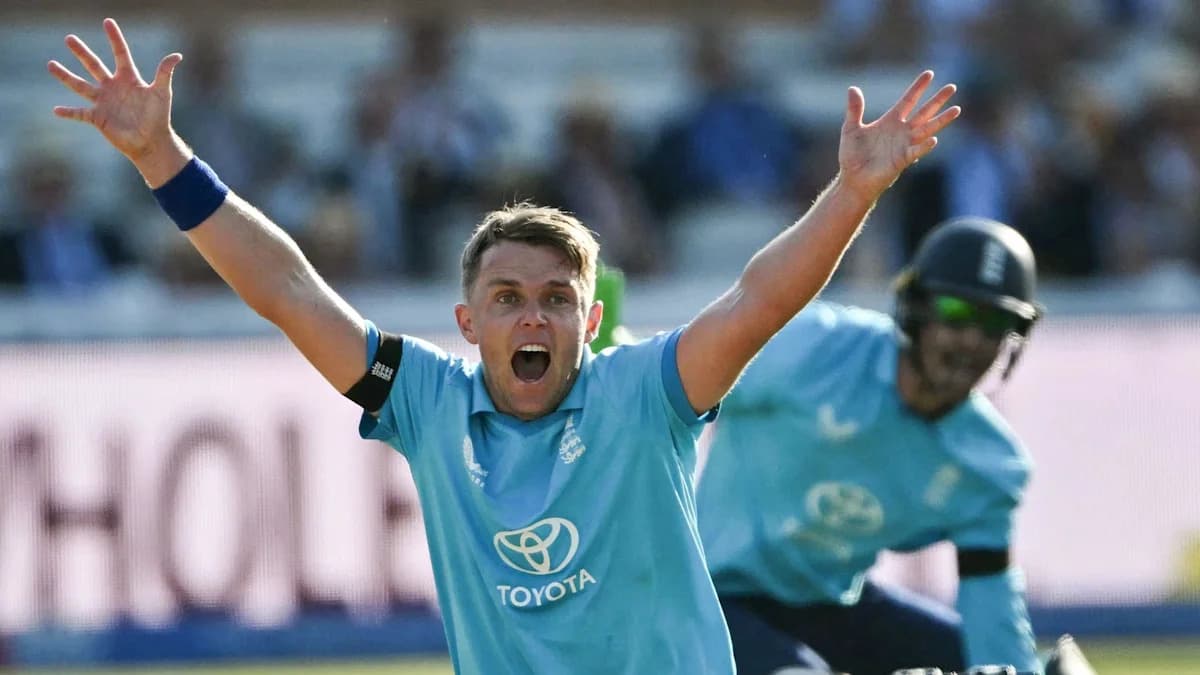
England’s bowlers sensed it and pounced. Sonny Baker, a year on from an expensive T20 debut against Ireland, looked like a different cricketer. His four overs cost just 12 runs and brought three wickets, a tight, hostile spell that slammed every half-open door shut. Any faint hope of a chase flickered, then died.
There were small bursts of defiance. Dasun Shanaka briefly broke free, launching Adil Rashid for back-to-back sixes either side of long-off, two blows struck with real authority. The next ball kissed the edge and nestled in Buttler’s gloves. That, in miniature, was Sri Lanka’s night: a glimpse of something, then the rug pulled away.
Wellalage, who had been savaged by Brook earlier, at least walked away with something to cling to. From No 8 he top-scored, offering the only real resistance in a chase that never threatened to become one. It merely delayed the inevitable. Sri Lanka were bowled out for 135 with an over unused, their captain Charith Asalanka summing it up starkly: “It was a tough day for us. Positives-wise, it didn’t have anything.”
Rose Bowl fortress, Brook’s kingdom
England’s relationship with this ground is turning into something more than a flirtation. In their last three visits to the Rose Bowl, they have obliterated South Africa by 342 runs in a record-breaking ODI, brushed aside India in a T20, and now crushed Sri Lanka by 119 runs in another brutal display.
Nineteen wins in 22 completed games since Brook took the captaincy underline the scale of England’s momentum. The numbers feel almost as outrageous as his strike rate at No 3.
Sri Lanka, meanwhile, have already faced England nine times this year and could see them six more before Halloween. If they cannot find a way to slow Brook, let alone stop him, those weeks will feel very long indeed.
And as the lights dimmed over Southampton and another visiting side trudged away, one thought lingered in the stands: if this is what England keep doing here, how long before the Rose Bowl gets the Ashes stage it now keeps auditioning for?