Gautam Gambhir Clarifies Team Selection: Sooryavanshi Must Wait
Gautam Gambhir did not leave room for doubt. Sooryavanshi will have to bide his time.
India’s head coach spelled it out on Thursday: recent performances and long-term returns mean Sanju Samson and Abhishek Sharma remain ahead in the pecking order, even as questions swirl around the management’s handling of both Samson and Vaibhav Sooryavanshi in recent months.
The debate began on the UK tour, where both Samson and Sooryavanshi were given three games each. Neither seized the moment. Neither “set the house on fire,” as the cliché goes. That shared failure opened the door to scrutiny, but not, for now, to a permanent reshuffle.
Samson was then rested for the Zimbabwe tour. Sooryavanshi stepped up to open alongside Abhishek Sharma and finally produced the kind of numbers that make selectors sit up: 151 runs across the series and the Player of the Series award. For a brief window, it felt like a changing of the guard.
It didn’t last.
Samson returned for the Afghanistan series, walked straight back into the XI, and Sooryavanshi was pushed to the bench again. The message from the outside looked muddled. From Gambhir’s side, it is anything but.
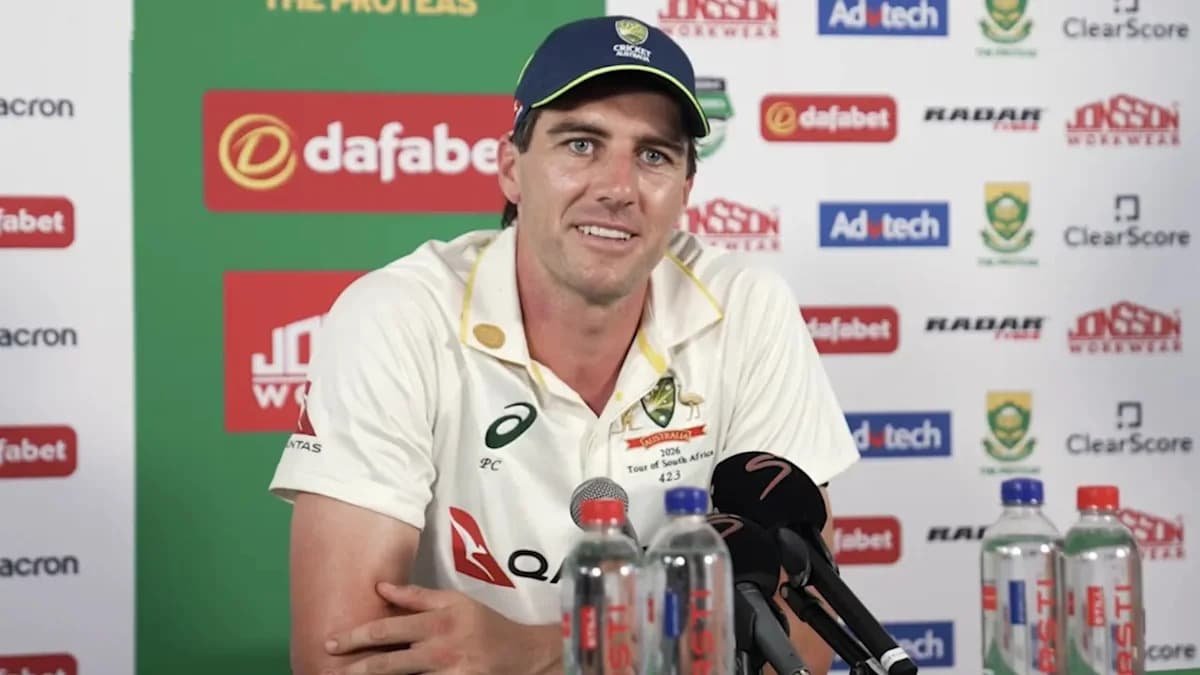
“From Vaibhav's point of view, it is again a very clear conversation that he has to wait for his opportunity. We know the kind of talent he has. We know what he can do,” Gambhir told reporters at the post-match press conference.
The key line followed.
“Someone who has done extremely well over a period of years obviously will always be ahead of someone who has just got into the team. Whenever he gets that chance, you will get a longer run as well.”
That is the hierarchy Gambhir is leaning on: body of work over brief spark. Track record over recency bias.
He framed it as part of a broader philosophy inside the Indian dressing room.
“And that is what Indian cricket is all about. We want competition, we want that talent in the dressing room. But sometimes that's how cricket goes. Whether it is a 15-year-old or a 30-year-old, you have to wait for opportunity,” he said.
Samson’s fall, Sooryavanshi’s opening, and the swing back
The UK tour was where the tension crystallised.
Samson, coming off a strong run, endured three low scores – one against England and two against Ireland. After that, he was dropped from the XI. It was a bold call, and it cleared the way for Sooryavanshi’s debut.
This was the moment the younger man had been waiting for. Three games to make himself impossible to ignore. Three games to convert potential into permanence.
He couldn’t. Sooryavanshi failed to impose himself across those matches and, just as quickly as he had come in, he was out.
Samson, though, did not let the door close on him. Recalled for the series against Afghanistan, he responded like a player with something to prove, scoring two half-centuries and reminding everyone why he had been trusted on the biggest stage.
Gambhir pointed straight at that pedigree.
“I think Samson showed what he is capable of. Someone doesn't become Player Of The Tournament in the World Cup without having talent, so he has done enough,” he said.
Then came the admission that told you how heavy the call had weighed on him.
“Obviously, it was tough – probably the toughest decision I have taken in my coaching career, was leaving him out of that England series because of the way he had performed before that.”
Loyalty to World Cup core
Gambhir’s explanation went beyond just Samson and Sooryavanshi. He anchored it to the World Cup group, the players who carried India from one World Cup to another unbeaten and then went all the way.
“But again, sometimes you go with the players' form as well,” he said. “From my point of view, I wanted to go back to the combination we had during the World Cup, because those guys, after three or four failures, don't become bad players.”
That was the crux. One poor series, even a handful of failures, does not erase the trust built over years.
“If a team has gone from one World Cup to another one unbeaten and has won the World Cup. Suddenly, it has become a team after one series, and these guys have not become bad players,” he added.
So where does that leave Sooryavanshi? On the fringes, but not forgotten. The door is not shut; it is simply guarded by players who have delivered in pressure moments and across multiple seasons.
For now, Samson and Abhishek Sharma hold the shirts. Sooryavanshi waits, armed with a Player of the Series medal from Zimbabwe and a clear message from his coach: your time will come, but you will have to fight your way past proven World Cup winners to keep it.