.svg&w=384&q=75 "logo")
England’s New Pace Pack: Echoes of 2005 and Ashes Ambitions
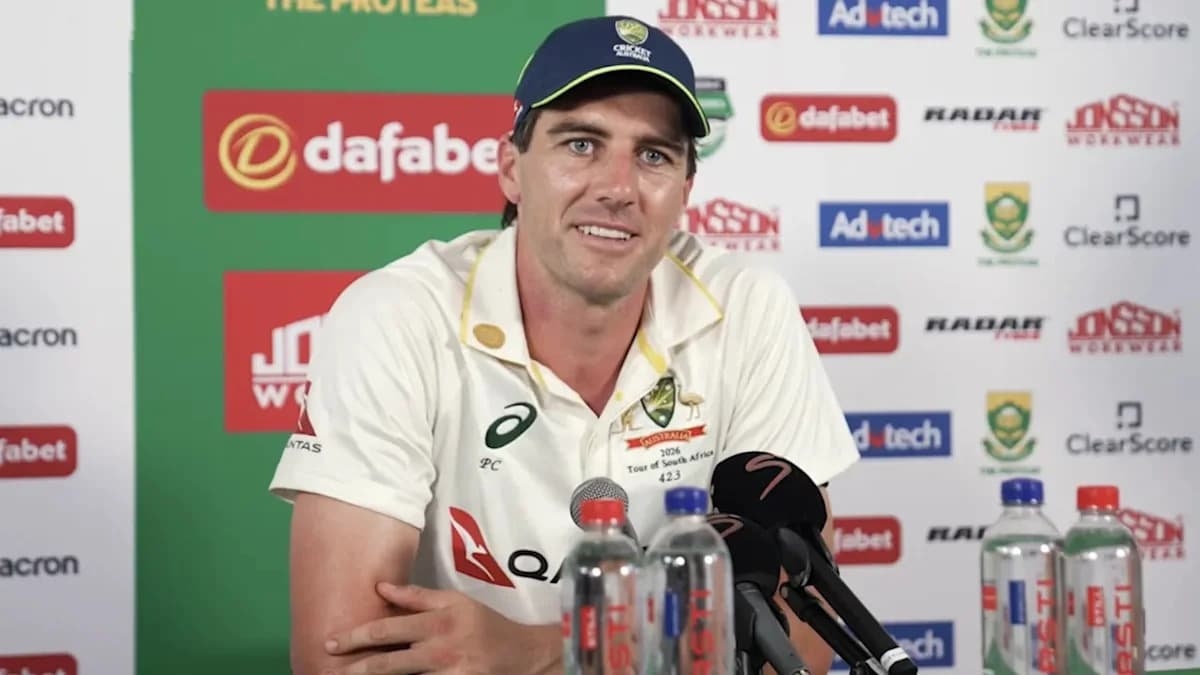
Marcus Trescothick has seen this movie before. Different faces, different era, same crackle in the air when the ball is thrown to his quicks.
Two convincing wins over Pakistan have dragged England out of a grim stretch of two victories in 10 Tests and delivered their first series success since 2024. At the heart of it: a four-man pace attack that has Trescothick thinking back to the summer that changed everything.
A New Quartet, Old Memories
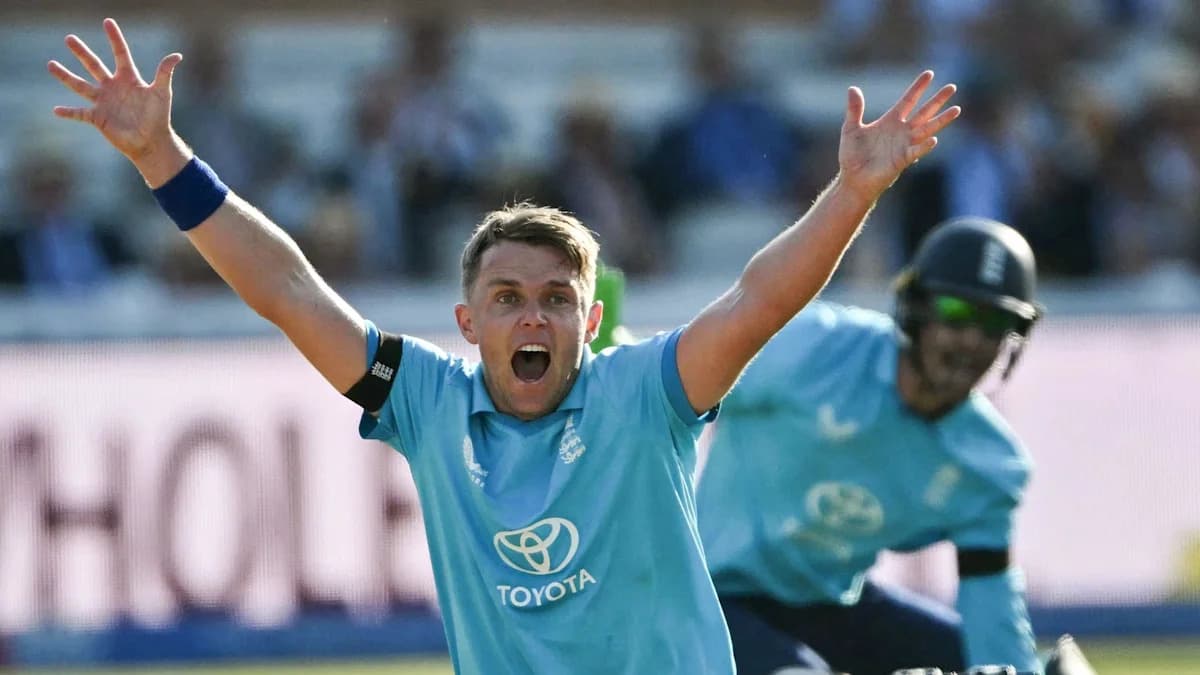
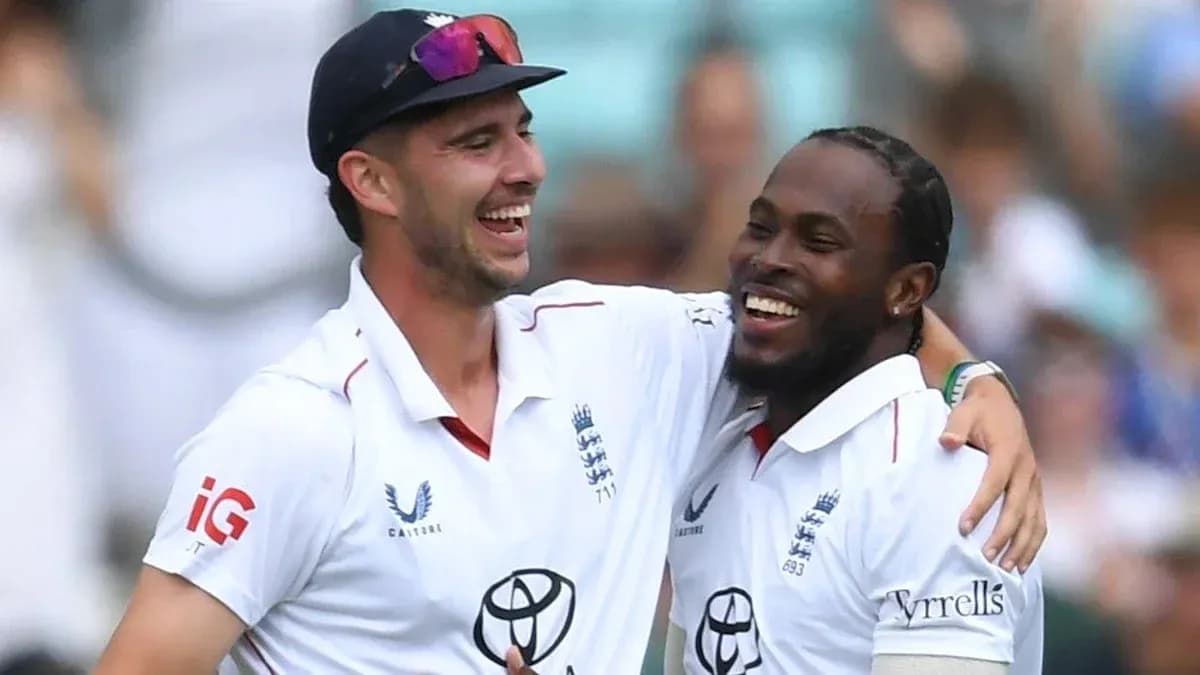
Ollie Robinson, Jofra Archer, Gus Atkinson and Josh Tongue. On paper, it is a response to Ben Stokes’ retirement and the abrupt end of his ferocious, front-foot captaincy. On the field, it has become something more – a unit with enough variety and menace to stir memories of 2005.
Back then, Trescothick opened the batting while Stephen Harmison, Matthew Hoggard, Simon Jones and Andrew Flintoff tore into Australia and reclaimed the Ashes. Now, as interim head coach, he finds himself looking down from the balcony at another foursome with complementary skills and a shared rhythm.
"We do have some real skill, and you look back to 2005 and the sort of comparisons of Harmy, Fred, Simon and Hoggy, you could easily make those sort of comparisons," he said, not shying away from a benchmark that still defines modern English fast bowling.
For now, he is simply delighted to have four fit quicks in harness, with more waiting in the wings.
Life After Stokes – and a Different Balance
Stokes’ retirement closed one chapter and forced England to redraw the blueprint. His departure as captain brought Joe Root back for a second spell in charge and left the selectors wrestling with the balance of the XI. The all-rounder who bowled high pace, batted in the top six and set the tone for “Bazball” no longer stood at the centre of everything.
England’s answer has been unapologetically seam-heavy. Four frontline quicks, no specialist spinner. Dan Lawrence, a part-time off-break bowler, is the safety net if the pitch demands anything slower.
The philosophy has shifted too. Under Stokes and former head coach Brendon McCullum, raw speed often trumped everything. Now, Robinson’s recall after more than two years out of Test cricket has changed the shape of the attack.
Archer, Tongue and Atkinson can all hit the high 90s in kilometres per hour, the 92mph mark Trescothick relishes having “in your armoury”. Robinson, by contrast, frequently bowls with the keeper standing up, his speeds dipping below 80mph but his threat rising with every ball that kisses the seam.
The numbers are brutal: 23 wickets this summer at an average of 8.3. Accuracy, movement, relentlessness. It is the sort of return that forces everyone to sit up, and that has prompted comparisons with Glenn McGrath from those watching closely.
"We've got a good contrast in what we're trying to do at the moment," Trescothick said. The more they play together, he believes, the more the pieces will lock into place.
The Vaughan Challenge – and the Ashes Carrot
Not everyone is ready to put this group alongside the 2005 legends just yet. Writing in the Telegraph, Michael Vaughan, the captain who lifted the urn that summer, set a clear bar: they can only truly be compared to his attack when they win a major series.
It was not a dismissal. It was a challenge.
Vaughan also made one thing clear: this group is capable of something “really special” and of winning back the Ashes for England next summer. That is the stage on which the great fast-bowling units are judged. Harmison and company had their defining act. Archer, Robinson, Atkinson and Tongue have been handed the possibility of theirs.
For Trescothick, who lived the first era from the middle and now oversees the second from the dressing-room door, the symmetry is impossible to ignore.
Clean Sweep First, Experiments Later
Before the Ashes comes a simpler, more immediate task: finish the job against Pakistan. England lead 2-0 and head to Edgbaston for the third Test on 9 September chasing a 3-0 clean sweep.
The squad for Birmingham will be named in the coming days. At Lord’s, England loaded up with seven pace options. Brydon Carse was originally part of that group, only to be withdrawn after an incident outside a nightclub in Derby. He is not expected to be considered again until investigations by the police and the Cricket Regulator are complete.
In his absence, the reserve seamers are Sam Cook, Sonny Baker and Matthew Fisher. Between them, they own just four Test caps. On a different tour, at a different time, this might have been the perfect chance to broaden that experience.
Trescothick’s instincts are pulling in another direction.
"First and foremost I want to win the series 3-0, and I think if you're going to do that you want to play the most consistent team possible," the 50-year-old said.
There will be a fitness check after a punishing schedule, and the bowlers finally have four or five days to let their bodies breathe. Only once England know how their spearheads have recovered will they decide whether to rotate or go again.
The emphasis, Trescothick stressed, is “massively” on sealing the whitewash. If this really is the birth of England’s next great pace era, it will not be built on sentiment or auditions. It will be built on winning, one ruthless selection at a time.