England Cricket's Summer of Change: Root's Return and Pietersen's Comeback
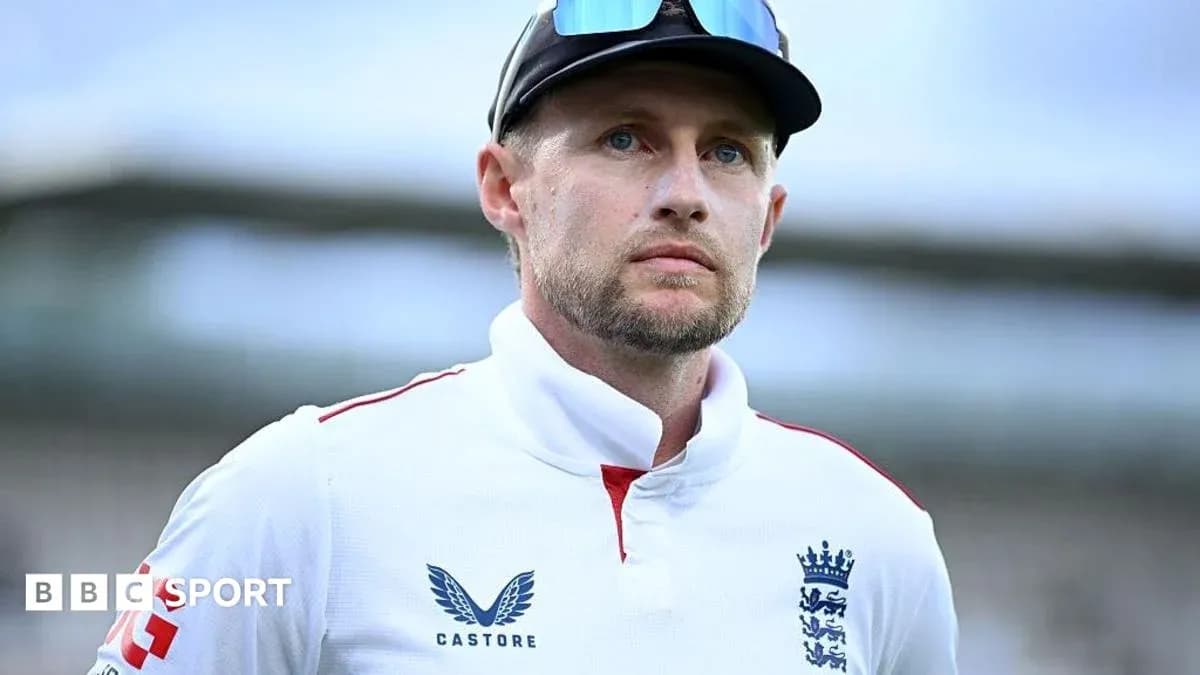
Joe Root in the blazer again. Kevin Pietersen back in the dressing room.
If you wanted a snapshot of how wild this English cricket summer has been, there it is.
The calendar says 2026, but in some ways it has felt like a rerun, a rewind, a remix. Root restored as England Test captain, rummaging through his garage to find the old blazer he thought he’d retired for good. Pietersen, once the great exile, now back in the fold. The Ashes post-mortem that many thought would trigger revolution instead delivered something stranger: a post-Bazball England without the clean break anyone anticipated.
The argument over whether England should have changed leadership after the Ashes has been overtaken by events. They didn’t. Yet here they are, out the other side of the Bazball era anyway.
So was the summer wasted? Try selling that to Jordan Cox, to Emilio Gay, to Dan Lawrence. To a reborn Ollie Robinson. To Root, who has walked back into the captaincy and a 3-0 series sweep of Pakistan.
England are not the same side that walked into June. But are they better?
That question hits a hard truth: it is difficult to claim improvement when you no longer have Ben Stokes. His absence is a void in itself. That is not a slight on what England have done against Pakistan, nor on Root’s stewardship. It is simply the reality of losing a captain whose personality had seeped into every corner of the team.
Under Stokes, England were defined by his words, his body language, his appetite for risk. He was the weather system. When he walked out, the temperature changed.
Root is different. Calmer. Less performative. The first weeks of his second reign reflected that. England moved with a quiet assurance, their manner almost serene. It helped that they were barely pushed.
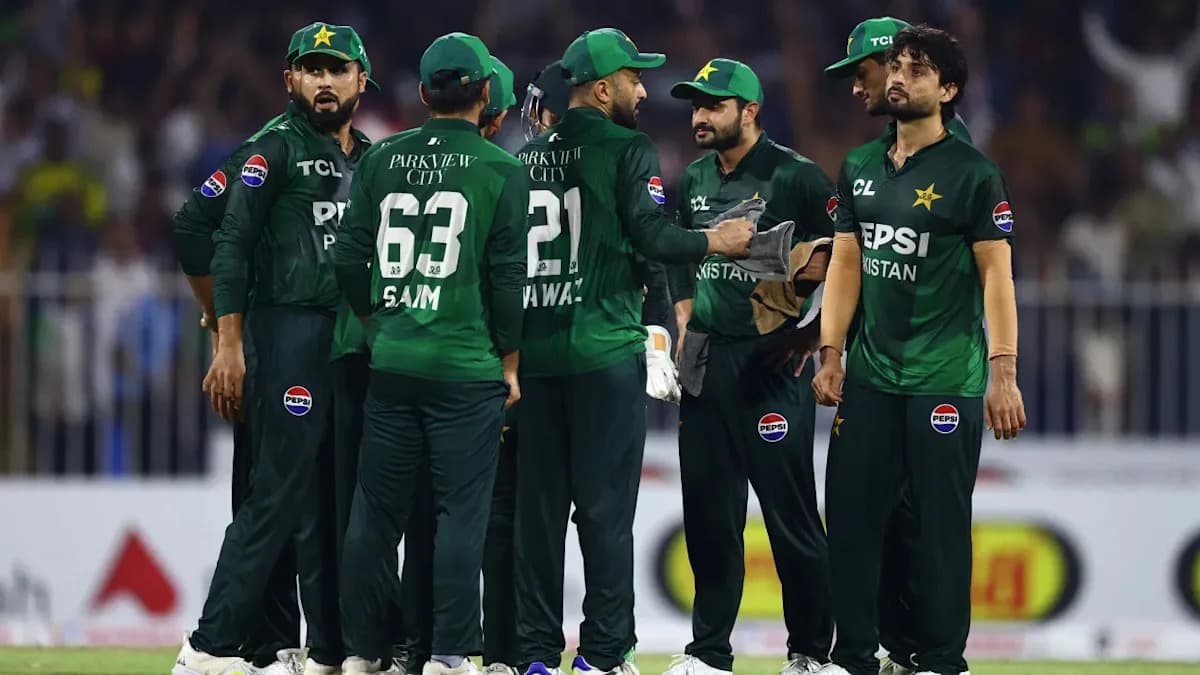
Then came Edgbaston. Third Test, third evening. Razaullah at the crease. And suddenly that calm was shredded.
For two hours England were dragged into chaos. Razaullah’s blade carved through plans, fields and nerves. The scoreboard rattled, the crowd shifted in its seat, and old doubts crept back into view – the same doubts that dogged Root’s first spell as captain. He even slipped off the field for a spell, the sort of visual that invites questions. Under Stokes, England rarely looked so collectively rattled.
The session left bruises. But it also revealed something new.
Stand-in coach Marcus Trescothick did not sugar-coat what had happened. No soft-focus messaging, no insistence that everything was “on brand”. Just straight disappointment. After the relentless positivity of the Bazball era, that honesty felt like a change in itself.
Yet as the season closes, the familiar fog remains. How good are this England side, really?
The pattern is becoming wearyingly familiar. The drawn Ashes in 2023. The shock defeat by Sri Lanka at The Oval in 2024. The failure to close out the final Test against India last year. Now a clean sweep of Pakistan that still doesn’t quite answer the bigger questions.
For more than four years under director of cricket Rob Key, England have chased the defining series win that never quite comes. When the marquee contests arrive, they fall just short. Between them, they throw up more intrigue than clarity. The brass ring remains just out of reach, the pot of gold forever on the far side of the rainbow.
What they do have, right now, is a pace attack that feels like something real, something substantial.
A four-man seam unit has emerged that people are already measuring against the fabled 2005 Ashes winners. That is a heavy comparison, but the numbers demand attention. Robinson has dominated the summer, 28 wickets at an absurd average of 9.32 – the kind of figures you normally find buried in dusty pre-World War I almanacs.
Around him, Jofra Archer, Josh Tongue and Gus Atkinson have supplied pace and edge. It is an attack with options, angles, different speeds and methods – a Swiss army knife without a left-arm blade.
The depth, though, is thin. One injury and England are into a pool of bowlers who barely know what a Test cap feels like. Sam Cook, Sonny Baker, Matthew Fisher and Henry Crocombe have four caps between them. Brydon Carse is in the conversation, but the Derby incident still hangs over any selection call. Olly Stone, in form and often forgotten, may yet hear the phone ring again.
Selection now becomes a chess problem for the winter.
Those four seamers could easily operate in South Africa and in the one-off pink-ball 150th anniversary Test in Melbourne. Conditions there will suit them. But the two Tests in Bangladesh in February are another game entirely. Spin will not be optional. It will be central.
That is where England’s apparent strength turns into a headache. Across a blazing English summer, spin has barely mattered. The ball has stayed in the quicks’ hands, and the slow bowlers have watched from the fringes.
The result? A long list of candidates and no obvious first choice.
- Shoaib Bashir
- Jack Leach
- Dom Bess
- Will Jacks
- James Coles
- Mason Crane
- Liam Patterson-White
- Calvin Harrison
- Jack Carson
All can make a case, none has nailed it. The incumbent, on paper, is Dan Lawrence, whose part-time off-breaks have given him more overs than many of the specialists, even if opportunities have been limited.
That dual skill might prove decisive when Jacob Bethell returns from a knee injury. Bethell’s presence will force a squeeze somewhere. As it stands, Lawrence’s bowling tilts the scales in his favour, leaving Jordan Cox and Emilio Gay effectively vying for one batting spot for the first Test in South Africa in December.
So Root has his blazer back. Pietersen has his pass back. England have a seam attack to excite, a spin conundrum to solve, and another year of big questions hanging in the air.
The next winter will reveal whether this has been a season of genuine transition – or just another chapter in a story England keep telling without ever quite changing the ending.