.svg&w=384&q=75 "logo")
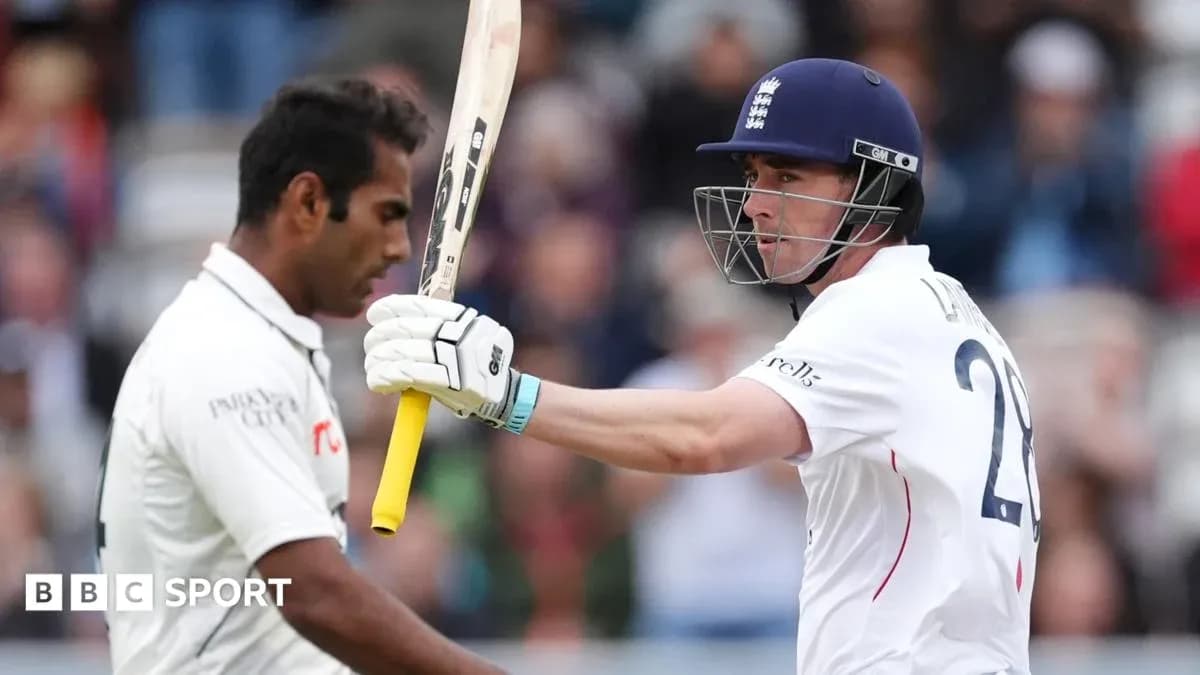
Dan Lawrence Shines as England Takes Control Against Pakistan
On a day that never quite got going, Dan Lawrence did. Under slate-grey skies, on a pitch misbehaving like few at Lord’s in recent memory, the 27-year-old right-hander planted another flag in England’s new era.
By the time the rain and regulations finally strangled the cricket at 18:30, Lawrence stood unbeaten on 50, England were 177-7 in their second innings, and the lead had swelled to 357. In these conditions, against this Pakistan batting line-up, it feels enormous.
A day lost, a chance taken
Only 24.5 overs were squeezed out of a maddening third day, the sort that frays tempers in the stands and tests focus in the middle. The first ball was not bowled until 14:40, and the players were hustled on and off as showers drifted across north London.
When play was finally abandoned in the best light and driest skies of the day, the boos from the remaining crowd told their own story. There was still scope for another hour, but the game was shut down with England firmly in control and Pakistan clinging to the faintest of hopes.
England, 81-3 overnight, resumed with a platform and a problem. The platform: a lead already standing at 261. The problem: a Lord’s surface offering lavish seam, sideways movement in the air and, most dangerously, unpredictable bounce.
Abbas and the pitch from nowhere
On such a surface, Muhammad Abbas is a menace. Relentless length, subtle wobble, no ego. The last thing an opener needs is a ball that doesn’t bounce. Emilio Gay got exactly that.
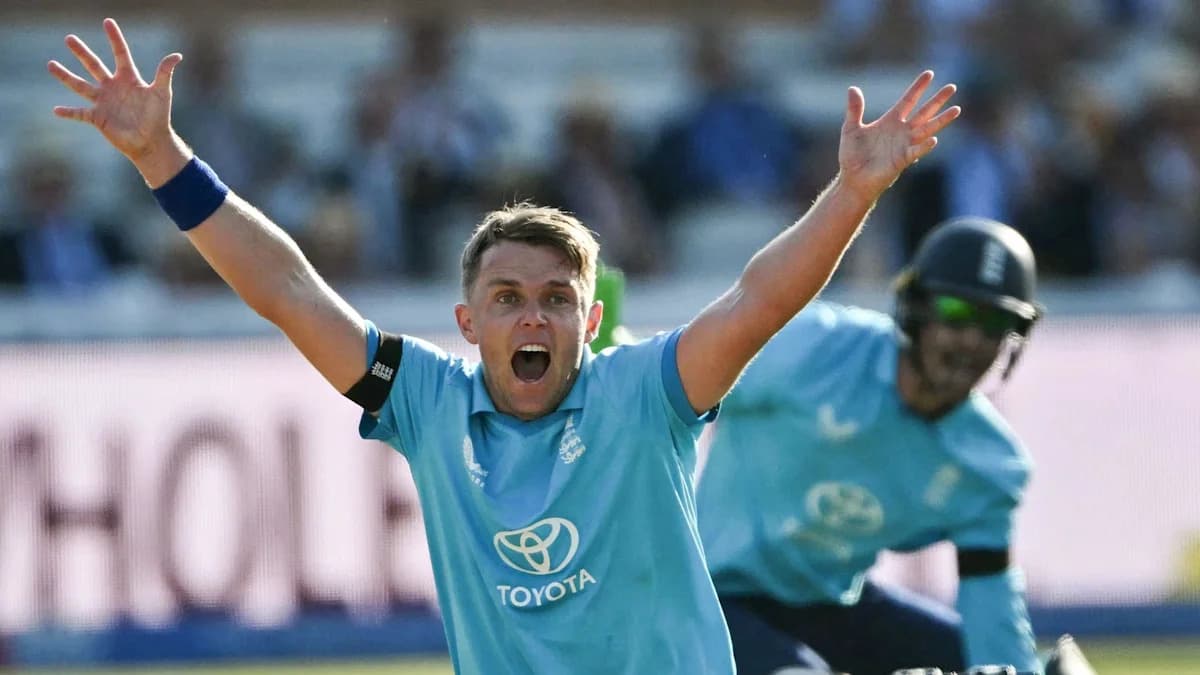
Having fought hard to 30 the previous evening, Gay faced his fifth delivery of the day and watched in disbelief as an Abbas delivery skidded through at shin height. Plumb lbw for 31, no argument, no chance. It was the sort of dismissal that reignites every debate about the Lord’s pitch and leaves batters staring at the square in disbelief.
Gay walked off shattered, head bowed. On the balcony, Joe Root shook his head. This is Gay’s first summer as a Test opener, and conditions have been unforgiving. An average of 23 tells a cold story, but it does not show the balls that have leapt at his throat or died at his toes. Still, in a reshaping batting order, numbers matter.
Abbas, who took 4-73 in the first innings, again led Pakistan’s resistance with the ball, picking up 3-48 and repeatedly threatening to drag his side back into the contest.
Lawrence digs in, then breaks free
If Gay was ambushed by the shooter, Lawrence had to survive the opposite: balls that spat, climbed and thudded into his body. He rode them. He wore them. And slowly, he imposed himself.
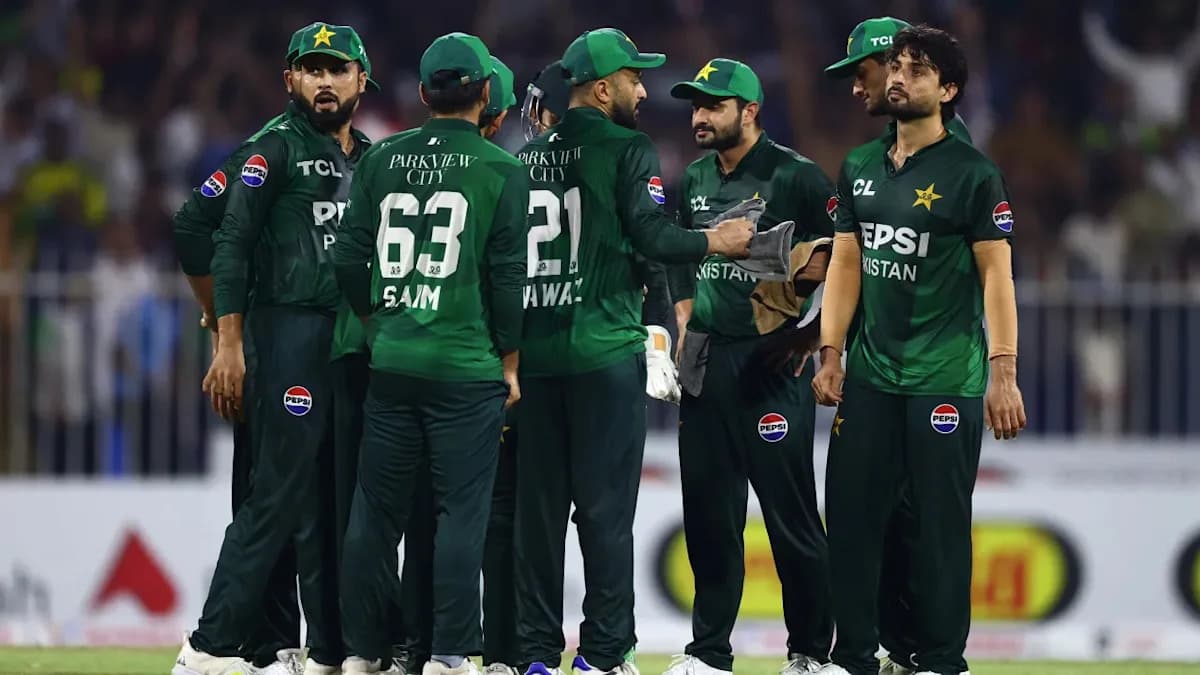
Alongside Harry Brook, he put on 45 for the fifth wicket, a partnership that looked modest on the scoreboard but felt substantial in context. Brook, usually a free-flowing stroke-maker, reined himself in, playing the situation rather than his instincts. He ground his way to 34 before falling to a moment of brilliance from Muhammad Rizwan, the wicketkeeper snapping up a superb catch standing up to the stumps.
That dismissal might have opened the door. Instead, it sharpened Lawrence’s intent.
Recognising that mere survival was a mirage on this surface, he chose to counter-punch. The strokes did not come recklessly, but decisively: drives punched through the line, clips off the pads, calculated risks against a ball that could misbehave at any moment. His fifty, his second half-century in as many Tests and the fifth of his career, arrived as both personal statement and tactical blow.
In a side still searching for a settled batting identity after the retirement of Ben Stokes, Lawrence is making his case loudly. Two Tests, two fifties, both under pressure, both on difficult pitches. When Jacob Bethell returns from his knee injury, there is every chance that Lawrence and Gay end up fighting for one spot. On this evidence, Lawrence has banked crucial credit.
England’s new attack, Pakistan’s old problem
Behind the batting intrigue sits a more settled story: England’s bowlers. In the post-Stokes landscape, they have stumbled upon a four-pronged pace unit that looks built for long series and varied conditions.
Ollie Robinson’s 4-11 and Jofra Archer’s 3-26 in Pakistan’s first-innings 110 were brutal in their efficiency, shredding a batting line-up that has mustered only 416 runs across three completed innings in the series. On a surface that has only grown more treacherous, that record looms large.
Pakistan now face the prospect of chasing at least 358 on a pitch that has already seen balls grub through and rear up. Imam-ul-Haq’s injury clouds their top order further. Even if Sunday’s forecast brings the sunshine promised, it will not bring a flat deck.
A lead that feels decisive
England’s 357-run advantage already looks like a mountain. The ball is talking, the surface is misbehaving, and Pakistan’s batting has yet to show the discipline or depth required for a chase of this scale.
There is still time for twist and drama across the final two days, and the weather should finally allow it. For England, the prize is clear: victory in this match and a first series win since 2024.
For Lawrence, the stakes are more personal. One more innings, perhaps, to turn a compelling audition into a permanent role in this new-look England side.