Clippers Face Severe Penalties for Salary Cap Violations
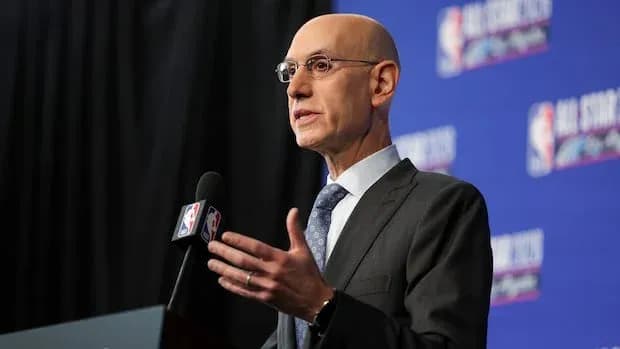
Adam Silver didn’t flinch when the question came. He knew it was coming, and he knew the answer wouldn’t make everyone in Los Angeles happy.
Five first-round draft picks. Gone.
The Los Angeles Clippers’ punishment for circumventing salary cap rules in their dealings on behalf of Kawhi Leonard now has a clear, public explanation from the league’s most powerful voice — and a reminder that the NBA is willing to hit hard when it believes its system has been bent out of shape.
A Hammer With Precedent
Speaking Tuesday at the close of a two-day Board of Governors meeting, the NBA commissioner anchored the decision in history. The league, he said, leaned on precedent: the Minnesota Timberwolves once lost five first-round picks for a similar cap-circumvention case.
That’s the bar. The Clippers have now met it.
“I think that's, in some ways, the most difficult part of adjudicating these disputes,” Silver said. Competitive balance demands real consequences when rules are broken, he stressed, even when the collateral damage lands on the people who had nothing to do with the paperwork or the back-channel maneuvering — the fans.
Silver insisted he does not see “permanent damage” in the Clippers’ future. But losing five first-rounders is no slap on the wrist. It is a deep cut into the franchise’s long-term flexibility, its ability to rebuild, retool, or even simply keep options open in a league where draft capital is currency.
A Yearlong Fight, A Brutal Verdict
The Clippers spent a year under the microscope, pushing back at every turn. They “vehemently denied” the league’s findings throughout the investigation into whether they had circumvented salary cap rules related to Leonard.
The NBA didn’t buy it.
Earlier this month, the league delivered a sweeping set of sanctions: a $30 million fine, a one-year suspension for owner Steve Ballmer, the forfeiture of five first-round draft picks, and additional penalties that underscore how seriously the league viewed the violations.
For a franchise that has spent the Ballmer era trying to shed decades of irrelevance and misfortune, the timing is cruel. The Clippers have a new arena, a star-laden past few seasons, and a fan base that finally believed its team was operating in the same tier as the sport’s heavyweights. Now, the bill for that ambition has arrived.
Leonard Back to Toronto, Fallout in Los Angeles
While the league’s investigation and ruling played out, another major piece of business finally crossed the finish line. The trade sending Kawhi Leonard back to the Toronto Raptors was completed Monday, after receiving the routine sign-off from the league office.
The irony is hard to miss: Leonard’s movement has reshaped two franchises in very different ways. Toronto gets its former Finals MVP back. The Clippers, who built around him, are now paying for how they handled the rules around him.
Ballmer, suspended but still the face of the franchise’s modern era, has already made his stance clear. Earlier this week, he said he would accept the penalties. The fine, he confirmed, has already been paid. Acceptance, though, does not erase the competitive cost or the questions that will follow the franchise for years.
An Empty Chair at the Board Table
One detail from Silver’s session with reporters spoke volumes. The Clippers were not represented at the Board of Governors meeting.
With Ballmer suspended and the organization still searching for an interim governor, their seat at one of the league’s most powerful tables sat empty. In a room where strategy, policy, and the sport’s future are shaped, one of the NBA’s most high-profile teams had no voice.
Silver made it clear the league still views itself as a “30-team league,” a unified ecosystem where every franchise matters. But this case is a reminder that no team, no owner, no market is too big or too ambitious to escape the reach of the rulebook.
The Clippers now move forward without their owner in the room, without five first-round picks, and without any illusions about how far the NBA will go to protect its cap system. The question is no longer what the league will do.
It’s how long it will take Los Angeles to climb out from under the weight of what it already has.