.svg&w=384&q=75 "logo")
Brydon Carse Dropped from England's White-Ball Plans for Sri Lanka Series
Brydon Carse has been dropped from England’s white-ball plans for the Sri Lanka series and told to step away and confront the fallout from an off-field incident in Derby last month.
The 31-year-old fast bowler, who was handcuffed by police outside a bar in August, is under investigation by the Cricket Regulator. Derbyshire Police are also looking into an alleged assault linked to the same night, though Carse’s role in that allegation has not been established.
What began as a troubling headline in Derby has now reshaped England’s immediate selection landscape.
England draw a line
Carse had already been removed from contention for the ongoing Test series against Pakistan after the incident. He remains technically available for selection, but England have chosen not to pick him for the three T20Is and three ODIs against Sri Lanka, starting in Southampton on September 15.
An England spokesperson framed the call as a deliberate pause rather than a final judgment.
“Given recent events, we feel it is important for [Carse] to work through the issues that led to the Derby incident and take time for a proper reset,” the spokesperson said. “This decision does not prejudge the outcome of any investigation.”
The message is clear: deal with the situation, then talk cricket.
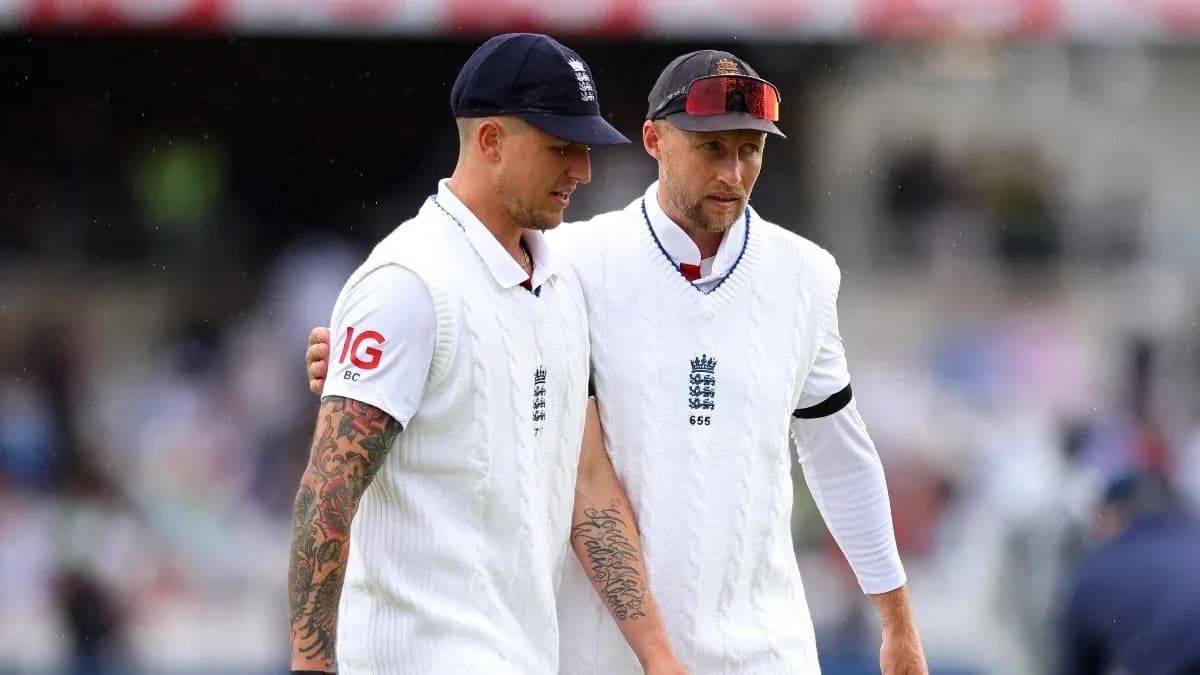
Carse, centrally contracted and a close friend of white-ball captain Harry Brook, now finds himself on the outside as England’s hierarchy tightens expectations around behaviour and dressing-room culture. The stance echoes Test captain Joe Root’s previous insistence that England players must act as “role models.”
For a bowler who had been nudging his way towards a regular role across formats, the timing could hardly be more damaging.
Crocombe’s surge, Carse’s void
Carse’s omission has opened the door for Henry Crocombe, the uncapped Sussex seamer whose name has suddenly shot up the pecking order. Crocombe has forced his way into the ODI squad on the back of a remarkable week in domestic cricket, claiming back-to-back hat-tricks and demanding attention the old-fashioned way.
While Carse steps aside to confront matters off the field, Crocombe steps up with the ball as proof that form and momentum still count.
Bethell out, Donald in
Carse is not the only absentee as England reshape their white-ball squads. Jacob Bethell will also miss the Sri Lanka fixtures after undergoing surgery on the knee problem that has sidelined him since mid-July.
His recovery is expected to run into the autumn, with a return pencilled in for England’s limited-overs tour of Australia in November. In his place, Derbyshire’s Aneurin Donald has been handed a first T20 call-up and a sudden chance to leap from domestic star to international newcomer.
Donald arrives on merit. He tore through the T20 Blast, piling up 489 runs at a blistering strike rate of 230, then carried that aggression into the Hundred with Trent Rockets. England’s selectors have rewarded that sustained onslaught.
If he wins his first cap, Donald will become the first Glamorgan product to play for England since Simon Jones in the 2005 Ashes, a neat historical thread for a player who has since moved counties but still carries that badge of origin.
Standards, selections and a shifting landscape
All this plays out against the backdrop of a busy calendar. England still have the third Test against Pakistan to negotiate before attention turns fully to Sri Lanka and the white-ball leg of the late summer.
Yet the real story here stretches beyond one series. In Carse’s absence, England are signalling how they expect their centrally contracted players to carry themselves, on and off the field. Some careers will gather pace because of that stance. Others, like Carse’s, now hinge on how convincingly they respond when the game stops and the questions begin.