.svg&w=384&q=75 "logo")
Babar Azam Meets King Charles Amidst England Tour Struggles
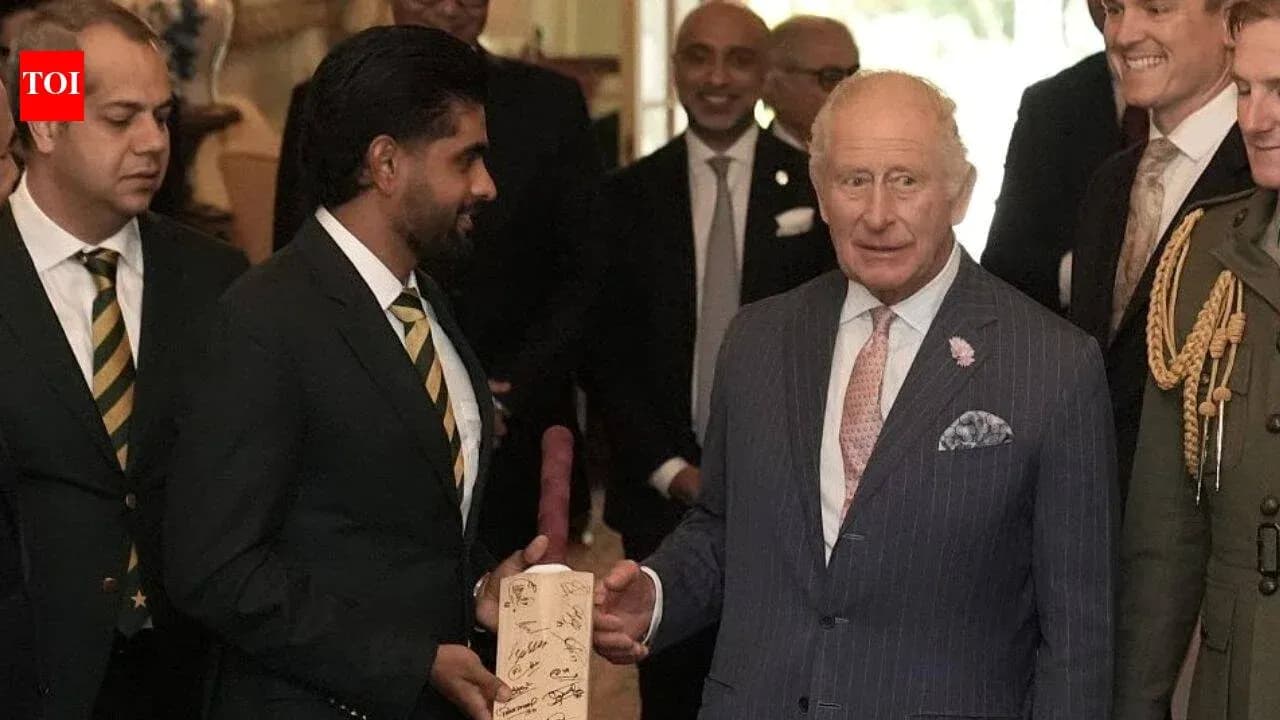
On a grey London morning, Babar Azam walked into Clarence House carrying a bat, not as a statement of dominance but as a gesture of diplomacy.
Pakistan’s Test captain met King Charles III on Wednesday, presenting him with a cricket bat signed by the entire touring squad. Babar was joined by his teammates and Pakistan Cricket Board (PCB) chairman Mohsin Naqvi for the visit on September 2, a rare ceremonial high point on a tour that has otherwise unravelled on the field.
The image was striking: Pakistan’s captain, under intense scrutiny, standing in royal surroundings, smiling, bat in hand. Back at the grounds, though, the story has been far less regal.
Royal courtesy, ruthless reality
While Pakistan exchanged pleasantries at Clarence House, England’s fast bowlers have spent the series exposing deep cracks in their batting and leadership.
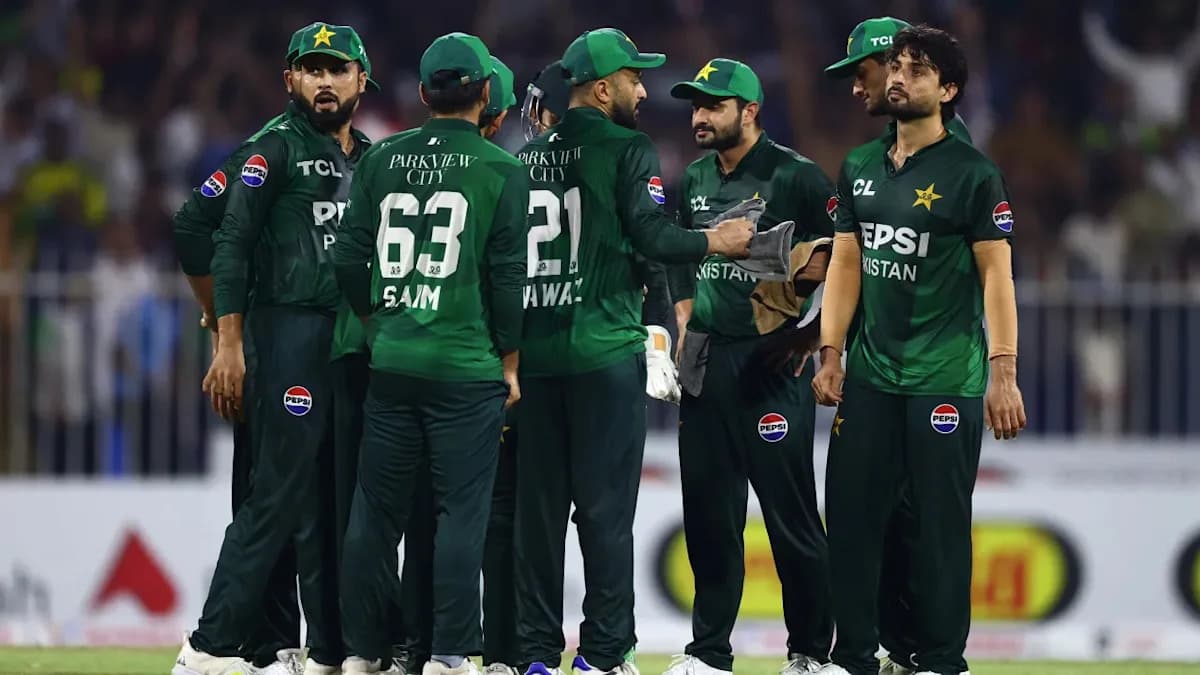
England already hold an unassailable 2-0 lead in the three-Test series. The numbers are stark. An innings and 103 runs in the first Test. A 194-run defeat in the second. Across four completed innings, Pakistan have not once reached 200. For a team that built its modern identity on resilience and flair, these are brutal, bruising returns.
The scale of the collapse has forced the PCB into drastic action mid-tour. Seven players have been recalled, among them Mohammad Rizwan, Salman Ali Agha and injured opener Imam-ul-Haq. The shake-up has not stopped at the dressing room door.
Head coach Sarfaraz Ahmed and bowling coach Umar Gul have both been removed before the final Test. In their place, white-ball coach Mike Hesson and bowling coach Ashley Noffke have been handed the reins for the third Test in Birmingham, starting September 9. A fire-fighting move, with a full series slipping away.
Captain under the spotlight
No one sits closer to the storm than Babar.
His return as Test captain, once framed as a stabilising step, is now being openly questioned. A finger injury kept him out of the first Test, and Pakistan crumbled without him. His comeback at Lord’s, however, did little to change the narrative.
At the home of cricket, Babar lasted for just 8 and 6. Pakistan folded for 110 in the first innings and 194 in the chase, falling 195 runs short of their 389 target. The defeat felt comprehensive. The numbers around their captain felt even more unforgiving.
The Lord’s Test stretched Babar’s lean run in the longest format to 18 innings without a half-century. Since the start of 2023, his Test average has dipped below 21 across nine matches. For a player once bracketed among the elite across formats, that is a harsh, glaring comedown.
The contrast could not be sharper. One day, Babar is handing a signed bat to the King. On another, he is groping for rhythm at the crease, his technique and temperament dissected in slow motion, his leadership questioned in television studios and dressing rooms alike.
Birmingham and beyond
The third Test at Birmingham now carries a different kind of weight. The series is gone. Pride is not. Nor is the future of this team, or the direction of Babar’s captaincy.
Hesson and Noffke step into a volatile environment, asked to steady a sinking campaign with little time and a squad in flux. The recalled players arrive with the pressure of being cast as instant problem-solvers.
For Babar, the equation is even simpler, and harsher. The royal reception is over. The handshakes and photographs are filed away. What remains is a captain walking out in Birmingham needing runs, authority, and answers.
How he responds may shape not just the end of this tour, but the next chapter of Pakistan’s Test cricket.