.svg&w=384&q=75 "logo")

Australia's Fast-Bowling Strategy and Labuschagne's Role in South Africa Tour
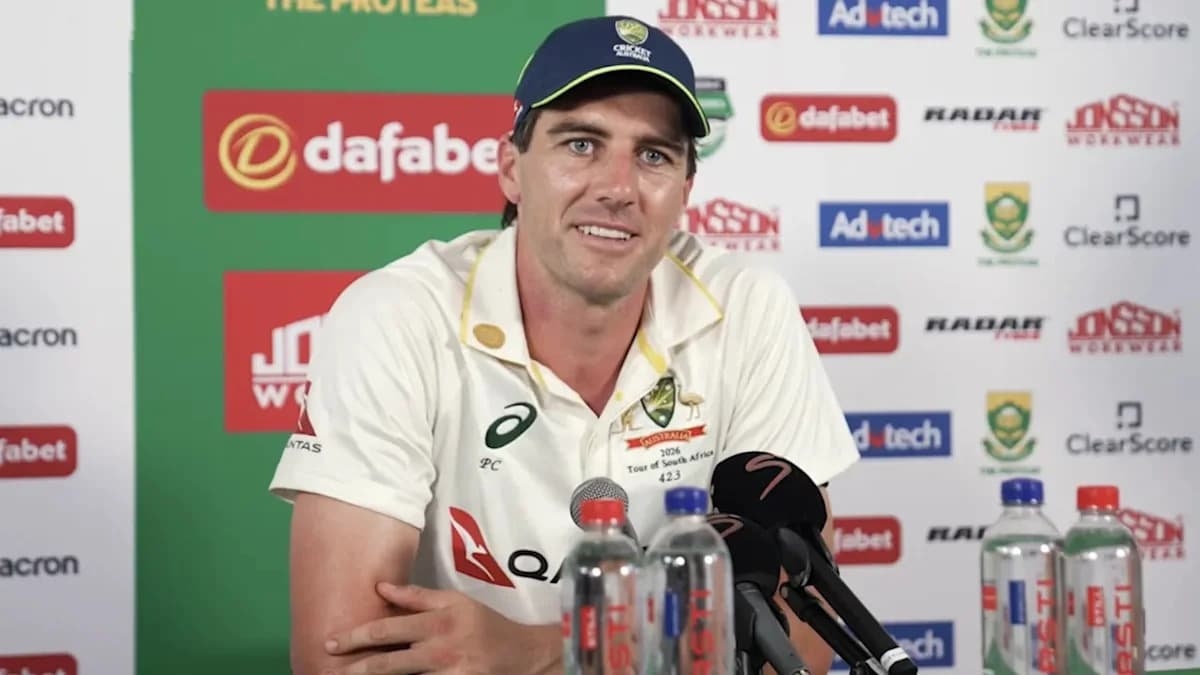
Australia will walk back into South Africa for the first Test series since the notorious 2018 tour with a simple plan: trust the old fast-bowling firm, and double down on a batter under pressure.
All of Pat Cummins’ seasoned quicks are on the plane in a 16-player squad for the three-Test series starting in Durban on October 9, with the selectors refusing to blink on Marnus Labuschagne despite his prolonged lean patch. The right-hander has not reached three figures in international cricket since July 2023, yet he remains central to a batting group built for attrition and resilience.
Faith in a faltering mainstay
Labuschagne’s inclusion says plenty about how Australia view this tour. Runs have dried up, questions have grown louder, but the selectors are betting that class and muscle memory will trump recent numbers on a trip loaded with context and history.
He joins a core of Travis Head, Matthew Renshaw, Steve Smith and the emerging Cooper Connolly, with Cameron Green and Beau Webster offering depth and flexibility as seam-bowling all-rounders. On paper, it’s a batting unit with options; in reality, it’s a group that will be judged on whether it can stand up to South Africa’s pace and the scars of the past.
New faces for old wounds
The scars are real. Australia haven’t toured South Africa for Tests since 2018, a series remembered less for cricket than for controversy. Only five players from that era return: captain Pat Cummins, Josh Hazlewood, Mitchell Starc, Smith and Renshaw. The rest will be walking into a country that still feels like unfinished business for Australian cricket.
To handle what they expect will be a mix of spice and nuance in the conditions, the selectors have added three fresh names who missed the recent home series against Bangladesh: Connolly, left-arm spinner Matthew Kuhnemann and seamer Michael Neser. All three offer cover and tactical variety, especially if pitches vary sharply across the three matches.
“This is a reasonably condensed three-game series, on the back of six one-day internationals, with only short breaks between each game,” Chair of Selectors George Bailey said. “The squad provides balance and options for each Test and the variety of conditions we may face.”
The message is clear: Australia want every base covered, and every quick ready.
Pace at the heart of a title push
The heartbeat of the squad is the fast-bowling cartel. Cummins, Hazlewood and Starc know these conditions, know this opponent, and know what’s at stake in the World Test Championship landscape. Australia sit on top of the table; South Africa, the reigning champions, lurk just behind in second.
One misstep and the standings can flip. One dominant away series, and Australia can seize control of the cycle.
The schedule will be brutal: three Tests on the back of six ODIs, with barely time to breathe between matches. That’s where Neser’s inclusion matters, where the presence of all the senior quicks becomes less a luxury and more a necessity.
Australia head to South Africa with pace, experience and a clear memory of what went wrong last time. They also go with a No. 3 who hasn’t reached a hundred in more than a year but still carries the trust of his selectors.
If Marnus Labuschagne finds his game again on this tour, it won’t just change his narrative. It might tilt the entire World Test Championship race.